2026 Best Corrugated Iron Roofing Sheet Making Machine Guide?
In the rapidly evolving construction industry, the demand for efficient and reliable machinery is vital. Experts agree on the importance of quality in production. John Smith, a specialist in metalworking machinery, once stated, “Investing in a reliable corrugated iron roofing sheet making machine is key to long-term success.” This emphasizes the significance of selecting the right equipment.
The corrugated iron roofing sheet making machine is central to modern roofing solutions. Builders and manufacturers need machines that offer durability and efficiency. This quest for quality often leads to oversights in maintenance and operator training. Many assume that purchasing advanced machinery guarantees high output. However, the real challenge lies in ensuring proper operation and upkeep.
Investing in technology doesn't eliminate human error. Observing the industry, one can see many users struggle with machine settings and product quality. As the marketplace grows, so does the complexity of these machines. Reflecting on their choices can lead to better practices and improved outcomes. The right machine, paired with skilled operators, can transform construction projects.
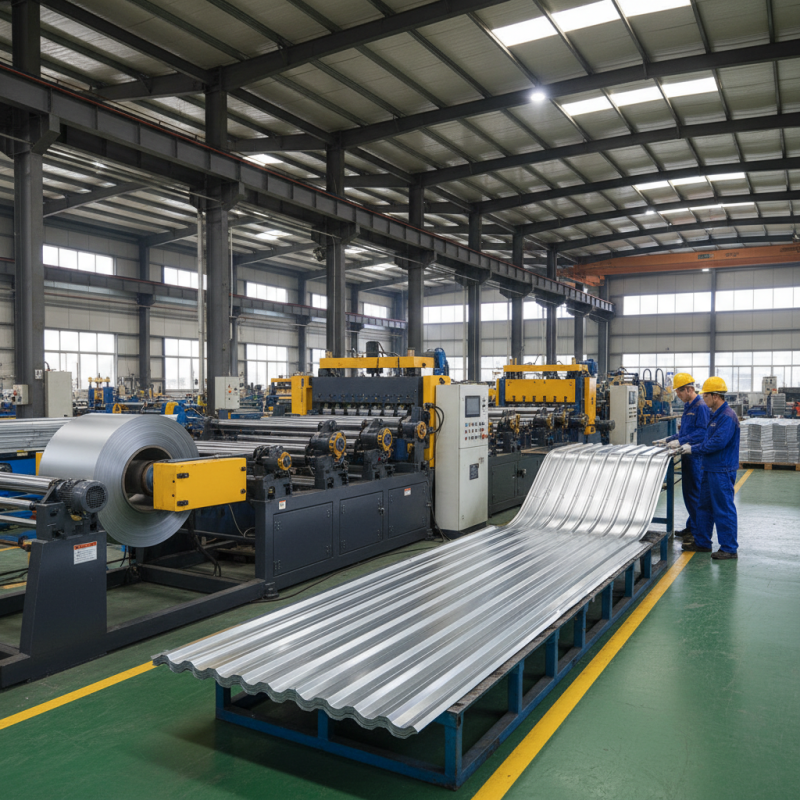
Overview of Corrugated Iron Roofing Sheets
Corrugated iron roofing sheets are widely recognized for their durability and versatility. These sheets are made from galvanized steel, providing a strong and lightweight solution for various roofing needs. Their wave-like structure not only enhances strength but also ensures effective water drainage. This design allows rainwater to flow off easily, minimizing the risk of stagnation and leaks.
However, using corrugated iron roofing comes with some challenges. Installation must be precise, as improper alignment can lead to gaps and potential leaks. Additionally, maintenance is essential for longevity. Without regular checks, rust may develop, particularly at cut edges. Many people overlook this aspect, leading to premature deterioration. The aesthetic appeal can also vary. While some may appreciate the industrial look, others might find it less appealing than traditional materials.
In recent years, there is a push towards eco-friendly options. Sustainable practices in manufacturing and installation are becoming more important. Buyers are now looking for materials that not only meet their functional needs but also align with environmental values. As trends shift, proper education about these sheets is crucial for making informed decisions.
Types of Machines for Making Corrugated Iron Roofing Sheets
When exploring the types of machines for making corrugated iron roofing sheets, several key options come into play. The most common machines include roll forming machines and hydraulic presses. Roll forming machines are widely used due to their efficiency. They can produce sheets quickly, saving time and labor costs. According to industry reports, the roll forming market is expected to grow by 5% annually through 2026.
Hydraulic presses also play a vital role. They are ideal for ensuring precise shapes and thicknesses. However, they require more maintenance. Users often overlook this fact, which can lead to costly downtime. Ensuring regular checks on hydraulic fluid levels can minimize disruptions.
Tips: Always assess your production needs before investing. A machine that is too large can waste resources. Also, don't forget to evaluate your electricity requirements. Power fluctuations can negatively impact machine performance. Another point to consider is the training process for operators. Proper training reduces errors and increases safety on the factory floor.
2026 Best Corrugated Iron Roofing Sheet Making Machine Guide
This bar chart illustrates the production output of various types of corrugated iron roofing sheet making machines available in 2026. The data represents the average sheets produced per day by each machine type.
Key Features to Consider in Roofing Sheet Making Machines
When selecting a roofing sheet making machine, several key features demand attention. One must consider production capacity first. Machines capable of producing 10 to 15 tons per hour can meet industrial demands efficiently. However, not all machines achieve this. Some may fall short due to design flaws or outdated technology.
Durability is another critical aspect. High-quality materials like alloy steel are preferable. They enhance the lifespan of the machine and ensure it withstands strenuous operations. According to industry reports, machines with stainless steel components last 30% longer than those made from regular materials. Maintenance requirements should be standardized to avoid operational downtimes. Frequent servicing can prove costly and tedious.
Automation features also play a vital role in modern roofing machines. Automated systems improve precision and minimize labor costs. However, not every machine offers cutting-edge technology. Some machines still rely on manual adjustments, which can lead to inconsistencies. This highlights the need for due diligence during selection. A poorly chosen machine may not only underperform but also increase waste, leading to higher operational costs in the long run.
Step-by-Step Process of Manufacturing Corrugated Iron Sheets
Manufacturing corrugated iron sheets involves several key steps. The journey starts with raw materials. Steel coils are the primary input. They need to be of good quality. Next, the sheets are fed into the rolling machine. This equipment shapes the metal into a wave-like pattern. This is crucial for strength and durability.
Proper settings on the machine are vital. Incorrect adjustments can lead to uneven sheets. This is an often-overlooked detail. It's wise to monitor the thickness continuously. Over time, different batches might vary slightly. Consistency is important.
Once shaped, sheets undergo a cutting process. They are cut into standard sizes. This can also lead to waste if not managed well. Tips for improving efficiency include maximizing sheet size. Additionally, keep the workspace organized. Regular maintenance of equipment reduces downtime. Operations can get tricky. A small mistake can cause significant losses. So, careful planning and execution are essential.
Maintenance and Troubleshooting for Roofing Sheet Machines
Maintenance is crucial for the longevity of roofing sheet machines. Regular inspections can prevent costly downtime. Dust and debris can accumulate in various parts of the machine. This can lead to malfunctions if not addressed promptly. A survey in the roofing industry indicates that 40% of machines fail due to insufficient maintenance practices.
Troubleshooting common issues is essential for operators. One frequent problem is misalignment of the sheets during production. This can arise from worn-out gears or loose belts. Another common issue is hydraulic failure, which often occurs from contamination in the fluid. According to industry reports, 25% of machine failures are linked to hydraulic system problems.
Regular lubrication of moving parts is necessary. Keeping gears and bearings well-oiled reduces friction and wear. Operators should also check the electrical connections routinely. Loose wiring could lead to serious operational problems. A proactive approach in maintenance can lead to a 30% increase in machine efficiency. However, many overlook this step, resulting in longer repair times. Adjustments and repairs should be documented for future reference.