2026 Top Packaging Distributor Trends and Innovations to Watch?
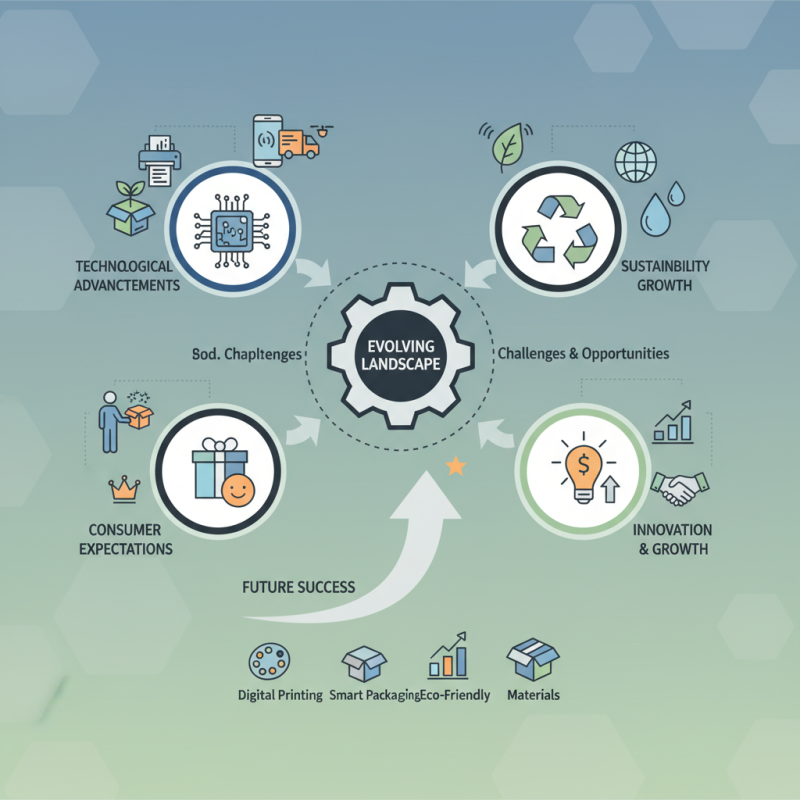
The landscape of packaging distribution is evolving rapidly. In 2026, Packaging Distributors face numerous challenges and opportunities. Technological advancements are reshaping how products are packaged and delivered. Sustainability continues to be a driving force, pushing distributors to innovate.
Consumer expectations are changing too. They demand not only functionality but also aesthetic appeal. Packaging Distributors must adapt to meet these rising standards. Digital printing, smart packaging, and eco-friendly materials are just a few trends taking center stage. However, these changes come with their own set of challenges.
Investing in new technologies can be daunting for many. The fast pace of innovation requires distributors to stay informed. Balancing cost and sustainability will be a common struggle. Market leaders will be those who navigate these shifts effectively. By embracing innovative practices, Packaging Distributors can position themselves for future success.
Emerging Technologies in Packaging Distribution for 2026
As we approach 2026, the packaging distribution industry is set to witness significant advancements. Emerging technologies are driving changes and improving efficiency. Automation will be a significant trend, with robots streamlining packing and shipping processes. This shift may lead to a loss of certain jobs, prompting a need for workforce reskilling. Companies must adapt to ensure their teams remain competitive.
Sustainability technologies are gaining traction. Biodegradable materials and innovative recycling methods are becoming vital. The push for reducing plastic waste is more urgent than ever. Smart packaging, enhanced with sensors and QR codes, will improve supply chain visibility. However, integrating these technologies can be challenging. Not all companies may have the resources or knowledge to implement them effectively.
Data analytics will play an essential role in packaging distribution. With better data, companies can optimize inventory levels and forecast demand. This can lead to waste reduction. However, relying heavily on data can foster an overconfidence in predictions. Firms should also consider human insights. Balancing technology use with expert judgment may provide the best outcomes as the industry evolves.
2026 Top Packaging Distributor Trends and Innovations to Watch
| Trend/Innovation |
Description |
Impact |
Predicted Adoption Rate (%) |
| Sustainable Packaging Solutions |
Increase in biodegradable and recyclable materials |
Reduced environmental impact |
85% |
| Smart Packaging |
Use of QR codes and NFC technology for enhanced customer interaction |
Improved customer engagement and data collection |
75% |
| Automation in Packaging |
Increased use of robotic systems for packaging processes |
Higher efficiency and lower labor costs |
70% |
| Personalized Packaging |
Custom packaging solutions tailored to individual consumer preferences |
Enhanced customer satisfaction and loyalty |
65% |
| AI and Predictive Analytics |
Utilizing artificial intelligence to forecast demand and optimize inventory |
Reduced waste and improved supply chain efficiency |
60% |
Sustainable Packaging Innovations Shaping the Industry Landscape
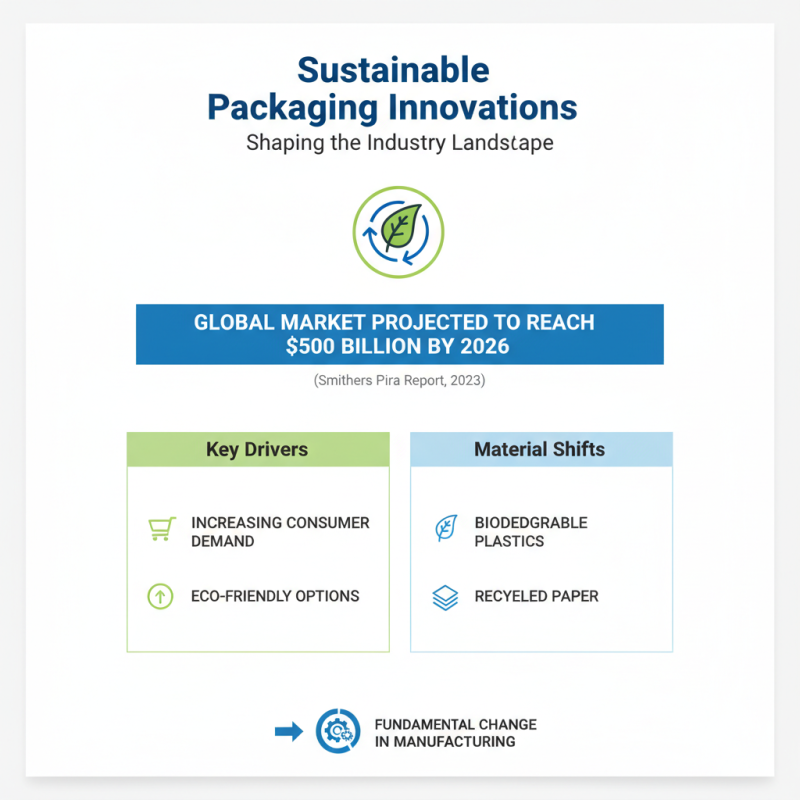
Sustainable packaging innovations are significantly transforming the industry landscape. According to a 2023 report by Smithers Pira, the global sustainable packaging market is projected to reach $500 billion by 2026. This growth is fueled by increasing consumer demand for eco-friendly options. Companies are now prioritizing materials like biodegradable plastics and recycled paper. Such shifts are not just trends; they represent a fundamental change in manufacturing practices.
Tips: Consider evaluating the sustainability of your current packaging. This analysis can reveal areas of improvement.
The rise of plant-based materials is noteworthy. Innovations in bioplastics are on the rise, yielding packaging solutions that are both functional and environmentally friendly. A study indicated that 60% of consumers prefer brands that utilize sustainable packaging. However, efficient sourcing and lifecycle impact assessments need better alignment. Current practices still face challenges in scalability and cost-effectiveness.
Tips: Stay informed about advancements in materials. This knowledge can guide better packaging choices.
Emerging technologies like digital printing and smart packaging solutions are noteworthy. These innovations not only reduce waste but also enhance consumer engagement. Nevertheless, the integration of technology can be complex, often requiring substantial investment. Companies must carefully consider their strategy to stay ahead.
Trends in E-commerce Impacting Packaging Distribution Strategies
E-commerce has reshaped how companies approach packaging distribution. As online shopping grows, packaging must adapt rapidly. Many brands focus on reducing waste and improving sustainability. Eco-friendly materials are becoming essential. Consumers prefer packaging that is recyclable or biodegradable. This shift influences how distributors choose their materials and processes.
Another significant trend is personalization. Consumers today seek tailored experiences. Brands respond by designing unique packaging that reflects individual identities. This approach enhances customer engagement and loyalty. However, it complicates logistics. Distributors face challenges in managing diverse inventory and production runs. Flexibility in operations is now crucial.
Technology also plays a vital role in packaging innovation. Smart packaging solutions are emerging. These include QR codes and augmented reality features. They provide consumers with more information and better interaction. Yet, not all distributors have the resources to implement these technologies. A gap remains between those who can innovate and those who cannot. Addressing this divide will be key to future growth in packaging distribution.
2026 Top Packaging Distributor Trends and Innovations
Consumer Preferences Driving Changes in Packaging Solutions
Consumer preferences are rapidly reshaping the packaging industry. A recent study by Smithers Pira reveals that sustainable packaging is at the forefront of consumer choices. Approximately 72% of consumers prefer brands that use eco-friendly packaging. This trend drives innovation in materials and designs. Recycled and biodegradable materials are no longer niche; they are becoming the norm. Brands are pushed to adapt quickly to stay relevant.
The rise in e-commerce significantly influences packaging solutions as well. Packaging needs to protect products during transit while being visually appealing. According to a report by Freedonia Group, the demand for protective packaging is expected to grow by 5% annually. Companies are exploring new designs that enhance both functionality and aesthetics. Smart packaging technologies are also on the rise. These include QR codes and NFC tags that engage consumers directly.
Despite these advancements, challenges in implementing sustainable practices remain. Not all recyclable materials can be processed, leading to potential waste. Additionally, balancing cost with eco-initiatives can be difficult for many businesses. The industry is in transition and requires continuous evaluation. Consumer expectations will only heighten, pressing for innovative solutions.
Regulatory Developments Influencing Packaging Materials and Practices
Regulatory developments are transforming the packaging industry. Governments worldwide are implementing stricter guidelines on packaging materials. Materials must be safe, sustainable, and easier to recycle. This shift is pushing companies to innovate rapidly and adapt to new standards.
New regulations often lead to confusion among manufacturers. Some struggle to keep up with the frequent changes. The lack of clear guidelines can hinder the decision-making process. Companies need to invest in research to define safer alternatives. This investment requires collaboration across the supply chain. Many businesses are still hesitant, unsure about which materials will meet future regulations.
Sustainability is at the forefront of these developments. Initiatives focus on reducing plastic waste and promoting eco-friendly materials. Companies are exploring biodegradable options and recycled content. However, the implementation of these materials can be challenging. Testing and certification can slow down the process. The industry must balance innovation with compliance. It's an ongoing journey of adaptation and learning.