Top 10 Benefits of Using Aluminium Bags in Packaging Solutions
The packaging industry has undergone significant transformations in recent years, and one notable innovation is the rise of Aluminium Bags. These versatile packaging solutions are quickly gaining popularity across various sectors due to their numerous advantages. As industry expert Dr. Emily Parker states, "Aluminium Bags not only enhance product longevity but also provide a sustainable option for packaging that meets the increasing demand for eco-friendly materials." This statement encapsulates the growing recognition of Aluminium Bags as a practical choice for businesses aiming to combine functionality with environmental responsibility.
The benefits of Aluminium Bags extend beyond mere preservation; they are lightweight, flexible, and offer excellent barrier properties against moisture, light, and oxygen. This ensures that the products remain fresh and free from contamination. Furthermore, the recyclable nature of Aluminium aligns with the global push for more sustainable packaging solutions. With companies increasingly prioritizing environmental impact, Aluminium Bags present a compelling alternative that fulfills both consumer expectations and regulatory requirements. As we delve deeper into the top ten benefits of using Aluminium Bags in packaging solutions, it becomes clear that this innovative material is shaping the future of packaging in a more sustainable direction.

Benefits of Aluminium Bags in Packaging: An Overview
Aluminium bags have gained immense popularity in the packaging industry due to their numerous advantages. One of the primary benefits of using aluminium for packaging is its excellent barrier properties. Aluminium provides a protective layer that effectively shields contents from moisture, light, and air, thus preserving the quality and freshness of products for an extended period. This makes aluminium bags particularly suitable for perishable goods, pharmaceuticals, and sensitive electronics, ensuring that they remain safe and uncontaminated during storage and transportation.
Another significant advantage of aluminium bags is their lightweight nature, which contributes to reduced shipping costs and lower carbon footprints. Compared to traditional packaging materials, aluminium bags offer a more efficient solution, as they require less material to achieve the same level of protection. Furthermore, they are highly customizable, allowing manufacturers to create bags of various sizes and shapes to meet specific packaging needs. The ability to print directly on aluminium also enhances branding opportunities, enabling businesses to effectively communicate their product’s value while ensuring maximum visibility on retail shelves.
Enhanced Protection Against Environmental Factors
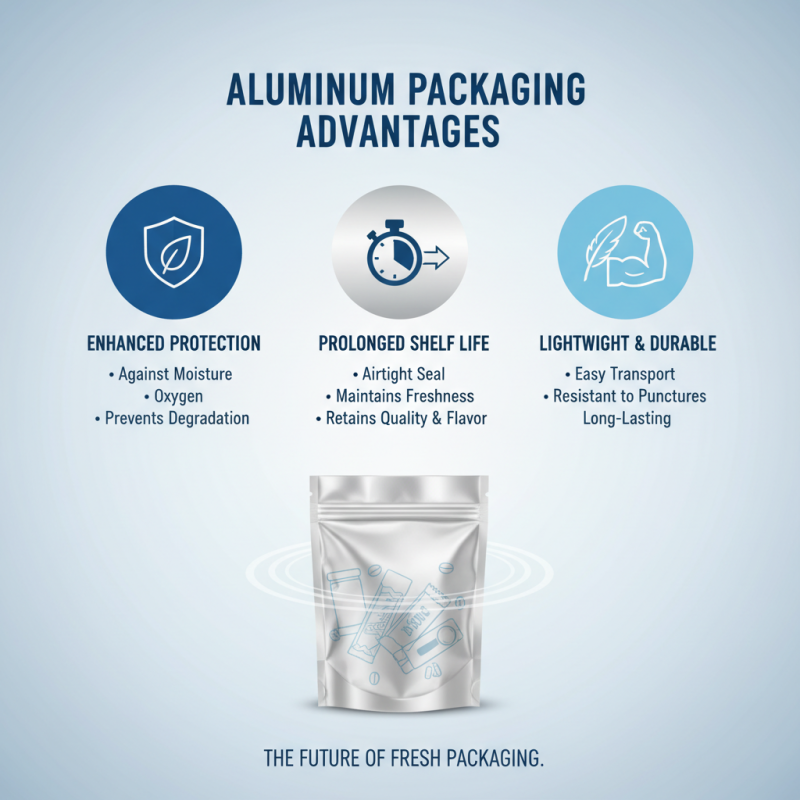
Aluminium bags offer a significant advantage in packaging solutions, particularly when it comes to enhanced protection against environmental factors. These bags are not only lightweight and durable but also provide an airtight seal that prevents moisture, oxygen, and light from compromising the integrity of the contents. This is particularly crucial for items sensitive to air and humidity, as degradation from these elements can lead to loss of quality, flavor, and nutritional value. The impermeable nature of aluminium bags helps in prolonging shelf life, ensuring that products stay fresh for longer periods.
Moreover, aluminium bags are highly effective in safeguarding products from external contaminants. They act as a barrier against undesirable factors such as dust, UV radiation, and pests, which can significantly affect the quality of food items, pharmaceuticals, and other sensitive materials. By using aluminium bags, manufacturers can achieve greater control over the storage conditions of their products, thereby minimizing spoilage and waste. This enhanced protection not only benefits the end consumer but also enhances supply chain efficiency, as companies reduce the frequency of product returns and losses due to compromised packaging.
Lightweight and Cost-Effective Packaging Solution
Aluminium bags are becoming an increasingly popular choice in packaging solutions, primarily due to their
lightweight and cost-effective nature.
The material itself offers a significant advantage by allowing companies to reduce shipping costs and ease
handling procedures. Since aluminium is substantially lighter than many traditional packaging materials,
businesses can save on transportation expenses while also minimizing their carbon footprint through
reduced fuel consumption.
Another key aspect of aluminium bags is their ability to maintain product integrity while being
cost-effective. They provide excellent
barrier properties, protecting contents from moisture,
light, and oxygen exposure which is essential for preserving the freshness of various products. This functionality
can lead to extended shelf life, ultimately resulting in fewer returns and less waste. By incorporating
aluminium bags, companies can optimize their packaging processes, ensuring
they deliver quality products at competitive prices without sacrificing durability or performance.
Eco-Friendly and Recyclable Nature of Aluminium Bags
Aluminium bags are increasingly becoming a preferred choice in packaging due to their eco-friendly and recyclable nature. Unlike traditional plastic options, aluminium bags can be recycled multiple times without losing their quality or integrity. This characteristic significantly reduces the environmental footprint associated with packaging waste. As more consumers become environmentally conscious, businesses are recognizing the importance of adopting sustainable packaging solutions that resonate with eco-friendly values.
In addition to their recyclability, aluminium bags offer excellent barrier properties, which help in preserving the freshness and shelf life of products. By minimizing the need for preservatives and harmful additives, these bags further enhance their sustainability profile. Moreover, the lightweight nature of aluminium reduces transportation emissions, contributing to a greener supply chain. By choosing aluminium bags for packaging, companies not only improve their environmental impact but also appeal to a generation of consumers who prioritize sustainability in their purchasing decisions.
Versatile Applications Across Various Industries
Aluminium bags are increasingly recognized for their versatility across various industries due to their unique properties, making them a preferred choice in modern packaging solutions. For instance, according to a report from Grand View Research, the global aluminium foil packaging market is expected to reach USD 37.34 billion by 2025, driven by the demand for lightweight, durable, and moisture-resistant materials. This trend is particularly evident in the food and beverage sector, where aluminium bags effectively preserve product freshness and extend shelf life, thus reducing food waste.
In addition to food applications, aluminium bags are finding significant uses in the pharmaceutical and cosmetic industries. Reports indicate that the pharmaceutical packaging sector is experiencing robust growth, projected to reach USD 173.2 billion by 2027, with aluminium bags playing a critical role in ensuring the integrity and safety of sensitive medications and compounds. The barrier properties of aluminium protect against light, oxygen, and moisture, making these bags ideal for storing valuable ingredients and formulations that require stringent packaging standards. As companies continue to prioritize sustainability and efficiency, it is clear that aluminium bags will play an essential role in shaping the future of packaging across diverse sectors.
Conclusion
Aluminium bags have emerged as a preferred packaging solution due to their myriad benefits. They provide enhanced protection against environmental factors such as moisture, light, and oxygen, ensuring that products remain fresh for longer periods. Additionally, their lightweight nature contributes to cost-effectiveness in transportation and storage, allowing businesses to save on logistics while delivering quality products.
Moreover, aluminium bags are eco-friendly and recyclable, making them an attractive option for companies aiming to reduce their environmental impact. Their versatility allows them to be used across various industries, from food and beverages to pharmaceuticals. Ultimately, the use of aluminium bags not only improves shelf life and preserves product freshness but also supports sustainable packaging practices in today's market.