10 Best Aluminium Bags for Effective Storage and Travel Solutions?
In the realm of packaging, Aluminium Bags are becoming increasingly essential. With their ability to preserve freshness and offer durability, these bags are a favorite among manufacturers. According to a recent industry report by Packaging Insights, the global aluminium packaging market is expected to reach $150 billion by 2027, growing significantly due to rising demand for sustainable solutions.
Expert Dr. Emily Chen, a noted authority in packaging technology, emphasizes, "Aluminium Bags are revolutionizing how we approach storage and transportation." This statement highlights the ongoing innovation within the industry. Many consumers and businesses are now recognizing the versatility of Aluminium Bags for both food storage and travel. Their lightweight nature makes them a practical choice, but there are still challenges to address, such as recycling and environmental impact.
Despite their benefits, not all Aluminium Bags are created equal. The market is saturated, leading to differing quality and effectiveness. Some bags may not provide the expected barrier properties, affecting product integrity. This inconsistency can be frustrating for users who depend on reliable packaging. It's crucial to critically evaluate options when choosing Aluminium Bags for effective storage and travel solutions.
Types of Aluminium Bags for Storage and Travel Solutions
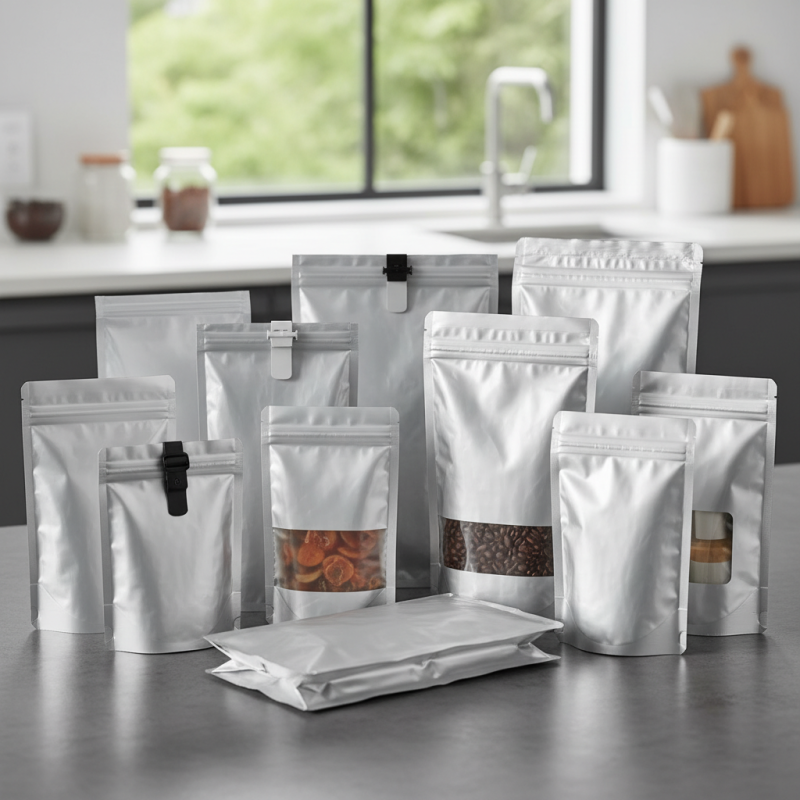
When it comes to storage and travel, aluminium bags are a versatile option. These bags are lightweight yet remarkably durable. They provide excellent protection against moisture and environmental factors. Consider several types of aluminium bags tailored to different needs.
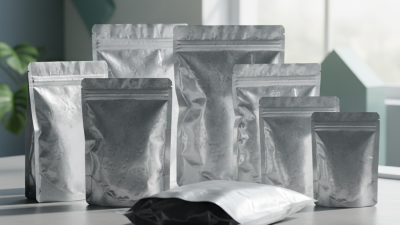
A common type is the resealable pouch. They are perfect for snacks or small items. The zippers ensure contents remain secure. Vacuum-sealed bags are also popular for longer trips. They minimize space and protect clothes from damage. Another interesting option is the aluminium messenger bag. It combines style and functionality, ideal for daily use. Each type has its own unique advantages, and sometimes it’s difficult to choose.
While aluminium bags are often reliable, they can have limitations. Sometimes, the seal may not hold up perfectly. Users might experience issues if not sealed properly. Additionally, the shine of aluminium can be a bit flashy. It might draw attention in some situations. These factors are worth considering when selecting the best option for personal needs.
Key Features to Look for in Aluminium Bags
When choosing the best aluminium bags, focus on key features. The material is crucial. Aluminium provides durability. It protects contents from moisture and light. This is essential for food storage and sensitive items. Also, consider the weight. Lightweight bags make travel easier. Pocket-sized options are perfect for on-the-go needs.
Look for sealability. A good seal keeps items secure. Leak-proof designs are ideal for liquids. This prevents messy spills during travel or storage. Zipper closures can offer convenience. Ensure that handles are sturdy for easy carrying.
Tips: Always check the bag's size before purchasing. Too small can lead to overstuffing. Too large may waste space. Review insulation properties if carrying temperature-sensitive items. Think about where and how you'll use the bags. This reflection can guide your choice effectively.
10 Best Aluminium Bags for Effective Storage and Travel Solutions
Top 10 Aluminium Bags for Efficient Storage and Travel
Aluminium bags have become increasingly popular for both storage and travel. They offer significant advantages over traditional materials. A recent industry report indicated that the global aluminium packaging market is projected to reach $60 billion by 2025, reflecting growing demand for lightweight and durable solutions. These bags help keep items safe from moisture, air, and light, which extends the shelf life of stored goods.
When choosing aluminium bags, consider their size and functionality. Many are designed to be reusable, appealing to eco-conscious users. Moreover, aluminium bags are often lightweight yet sturdy, making them ideal for travel. However, not all bags are created equal. Some may lack proper sealing, which can lead to leaks or contamination. It's crucial to check the quality of zippers or closures before purchasing.
Using aluminium bags can streamline packing for trips. They can be organized systematically, which makes finding items easier. However, they can also create a false sense of security. Many travelers may overpack these bags, thinking they can carry more than reasonable. This could lead to excess weight and unnecessary strain. Ultimately, careful consideration and reflection on your packing habits are key to maximizing efficiency.
10 Best Aluminium Bags for Effective Storage and Travel Solutions
| Bag Type |
Size |
Weight |
Capacity |
Special Features |
| Compact Travel Bag |
15 x 10 x 6 inches |
0.5 lbs |
8 liters |
Water-resistant, Lightweight |
| Large Storage Bag |
24 x 12 x 10 inches |
1.5 lbs |
20 liters |
Durable zipper, Multiple compartments |
| Reusable Shopping Bag |
18 x 14 x 8 inches |
0.3 lbs |
15 liters |
Eco-friendly, Foldable |
| Insulated Cooler Bag |
22 x 12 x 12 inches |
2 lbs |
25 liters |
Thermal insulation, Waterproof |
| Hiking Backpack |
20 x 15 x 8 inches |
1.8 lbs |
30 liters |
Breathable back, Hydration compartment |
| Travel Duffel Bag |
24 x 12 x 12 inches |
1.2 lbs |
40 liters |
Padded handles, Expandable |
| Gym Tote Bag |
18 x 9 x 9 inches |
0.8 lbs |
12 liters |
Separate shoe compartment, Ventilated |
| Camping Storage Bag |
30 x 15 x 15 inches |
2.5 lbs |
50 liters |
Heavy-duty material, Waterproof base |
| Business Briefcase |
16 x 12 x 4 inches |
1.0 lbs |
9 liters |
Laptop compartment, RFID protection |
Comparative Analysis of Popular Aluminium Bag Brands
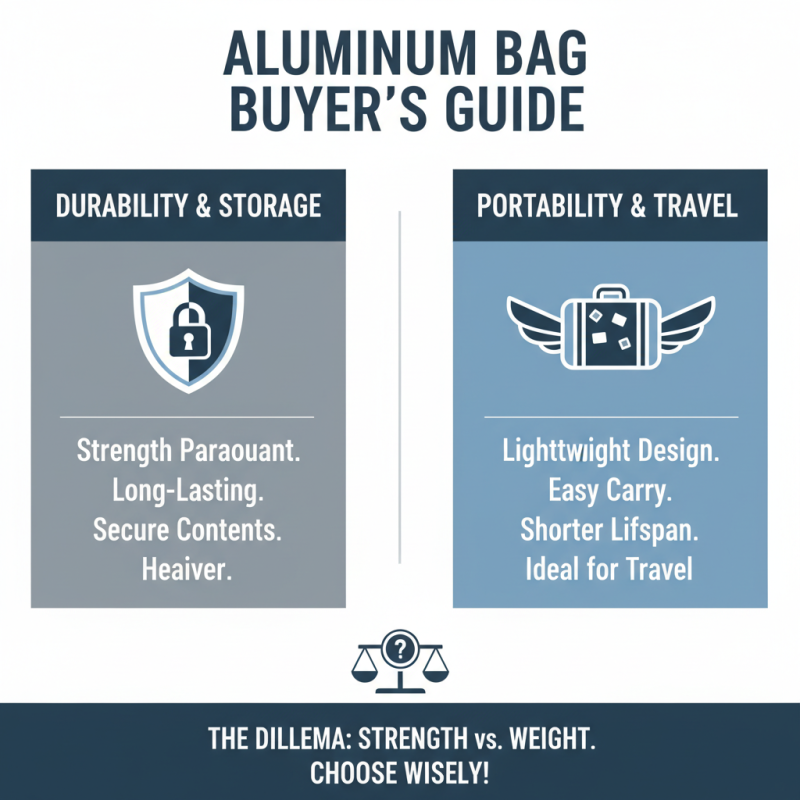
When choosing aluminium bags, various factors come into play. Different brands offer distinct features. Some bags boast durability, while others focus on lightweight design. The material's strength is paramount for effective storage. Lightweight bags are great for travel, but how long will they last? It’s a dilemma many users face.
Ease of use is another significant factor. Some bags come with zippers or easy-open flaps. Others may have intricate designs that complicate access. Users appreciate simple solutions. Features like water resistance can also vary widely among brands. It's crucial to consider these subtleties while exploring options. Pay attention to the size and capacity—items should fit comfortably without a struggle.
However, not every bag meets expectations. Some may promise durability but lack it in real-world use. Others may be overpriced for what they offer. Consumer feedback often highlights these mismatches. Users should reflect on their needs versus what’s advertised. Finding the perfect aluminium bag requires careful consideration and sometimes, a bit of trial and error. Each user's journey is unique, influenced by personal preferences and experiences.
Tips for Proper Care and Maintenance of Aluminium Bags
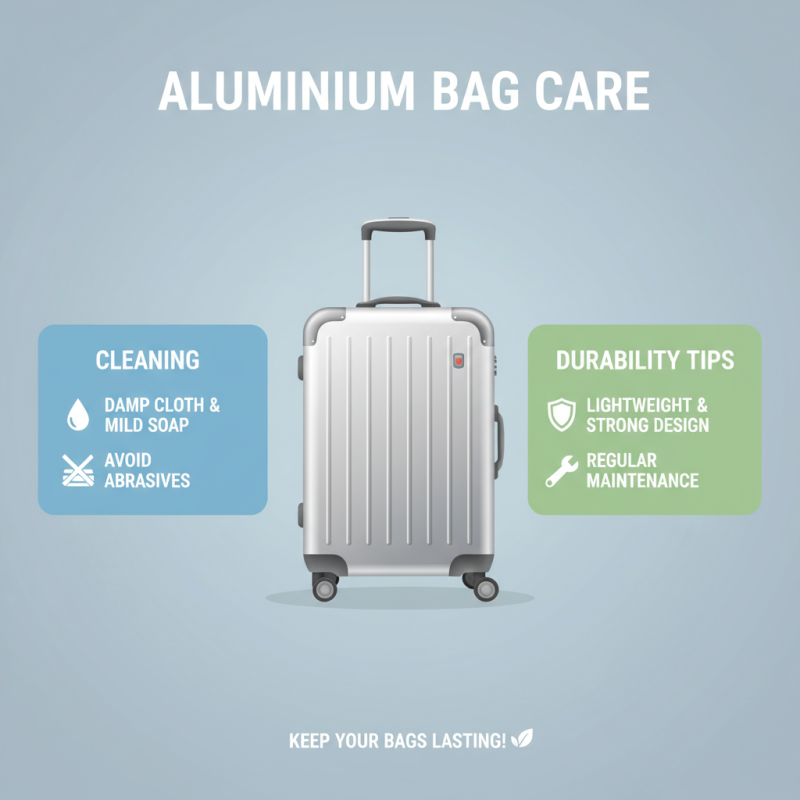
Aluminium bags are popular for their lightweight and durable design. To ensure these bags last, proper care is essential. Keeping them clean is the first step. Wipe the surface with a damp cloth and mild soap regularly. Avoid abrasive materials, as they can scratch the surface.
Storage is also crucial. When not in use, store the bags in a cool, dry place. Avoid areas with high humidity. Excess moisture can lead to corrosion, which will damage the bag. If you notice any signs of dents or wear, address them promptly. Small issues can escalate quickly if ignored.
A thoughtful approach toward maintenance makes a difference. Inspect the zippers and seams from time to time. A small tear can compromise the bag's integrity. If needed, repair them before the situation worsens. Treat your aluminium bags with care, and they will serve you well for many travels.