2026 Best Barrier Bags for Global Buyers to Consider?
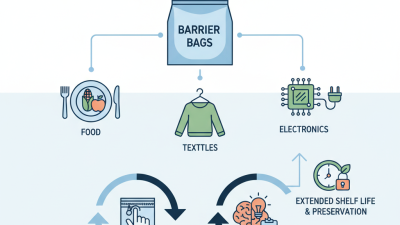
In the ever-evolving packaging industry, Barrier Bags have emerged as a crucial solution for various global sectors. According to a recent report by Smithers Pira, the market for Barrier Bags is projected to reach $2.1 billion by 2026, driven by increasing demand in food packaging and pharmaceuticals. These bags are designed to protect contents from moisture, oxygen, and light, ensuring product integrity and extending shelf life.
Dr. Jane Thompson, a leading expert in packaging technologies, emphasizes the importance of choosing the right barrier material. She states, “The effectiveness of Barrier Bags largely depends on their composition and application.” As consumers become more conscious of sustainability, the industry faces challenges. Not all Barrier Bags are created equal; some may lack adequate recyclability.
Innovation in this sector is essential. Manufacturers must focus on developing products that meet regulatory standards and consumer preferences. The need for reliable, effective Barrier Bags is evident. Understanding these factors will help buyers make informed decisions in 2026 and beyond.

2026 Barrier Bags Market Overview: Trends and Projections
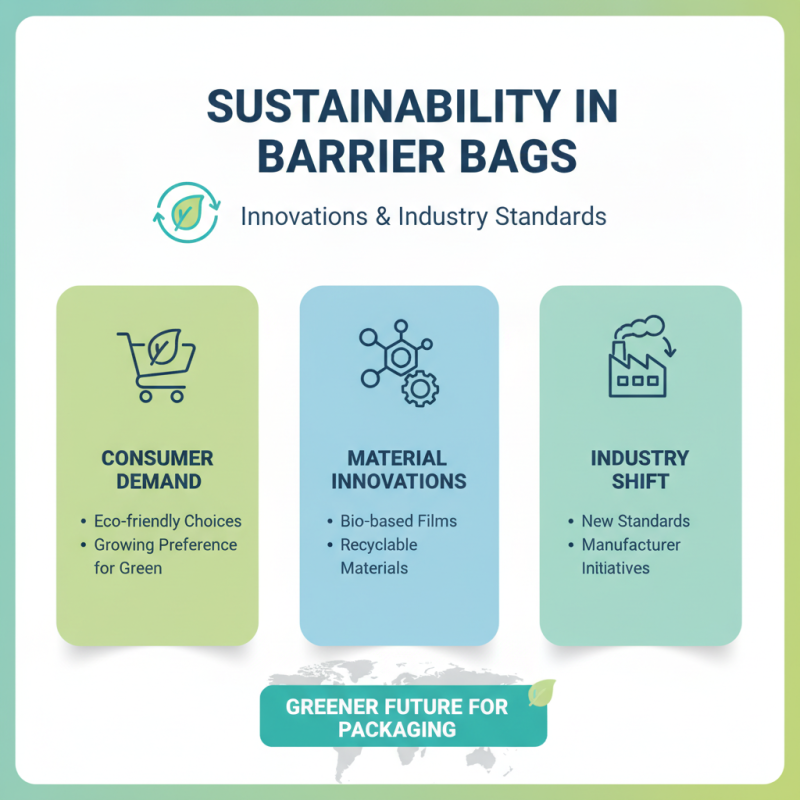
The barrier bags market is evolving rapidly. Manufacturers are increasingly focusing on innovative materials. These materials enhance durability and extend shelf life. Sustainability is now a key consideration. Buyers seek eco-friendly solutions to meet consumer demand. The rise in e-commerce has also boosted the need for reliable packaging.
Emerging trends include the use of resealable features. This improves convenience for consumers and reduces wastage. Companies are exploring biodegradable options, reflecting environmental awareness. Market projections suggest steady growth through 2026. Buyers should be aware of regulatory changes impacting materials. Companies must adapt to maintain compliance and consumer trust.
While the market seems promising, challenges remain. The cost of raw materials can fluctuate. This unpredictability affects pricing strategies. Companies must balance quality with affordability. Investments in research can yield better products. However, not all initiatives succeed. It's essential for buyers to stay informed and evaluate their options carefully.
2026 Barrier Bags Market Overview: Trends and Projections
| Region |
Market Share (%) |
Growth Rate (%) |
Key Trends |
Main Applications |
| North America |
30% |
5% |
Sustainability, E-commerce |
Food Packaging, Electronics |
| Europe |
28% |
4.5% |
Regulatory Compliance, Innovation |
Pharmaceuticals, Beauty Products |
| Asia-Pacific |
25% |
6% |
Rapid Urbanization, Digitalization |
Consumer Goods, Automotive |
| Latin America |
10% |
3% |
Increasing Demand for Quality |
Agriculture, Storage |
| Middle East & Africa |
7% |
2.5% |
Rising E-commerce, Export Growth |
Export Packaging, Food Products |
Key Materials Used in Barrier Bags: A Comparative Analysis
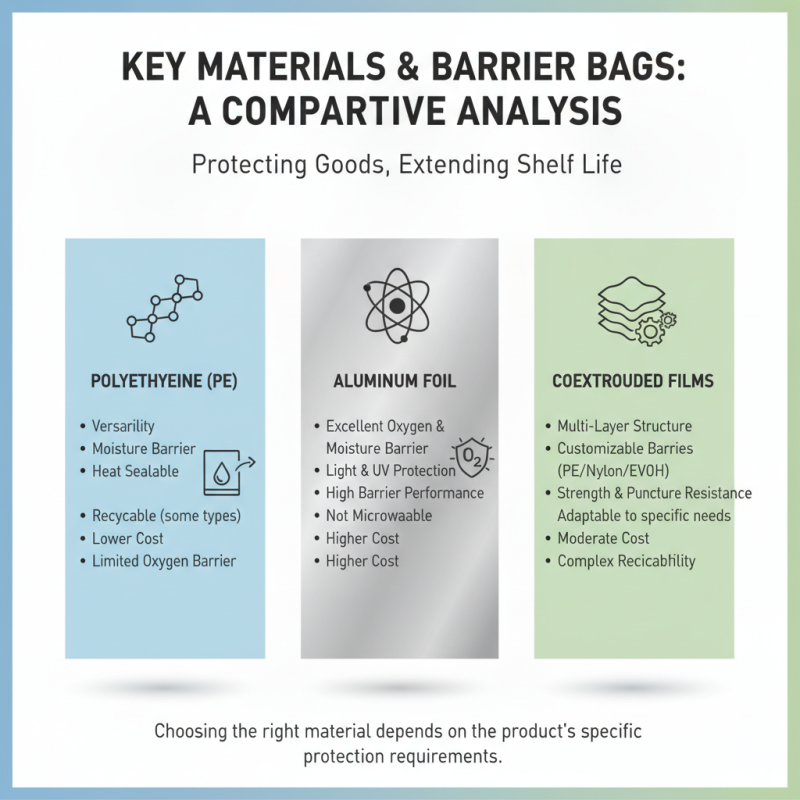
Barrier bags are essential for protecting goods during storage and transportation. Various materials are used to create them, each with distinct advantages and drawbacks. This comparative analysis explores key materials like polyethylene, aluminum foil, and coextruded films.
Polyethylene is lightweight and cost-effective. It offers decent moisture and oxygen barriers. However, it is not the best for high-temperature applications. Aluminum foil, on the other hand, excels in blocking light, moisture, and oxygen. This makes it ideal for long-term storage. Yet, aluminum can be quite rigid, leading to potential brittleness under stress.
Coextruded films blend multiple materials for enhanced performance. They can provide superior barriers while maintaining flexibility. However, manufacturing complexities can pose challenges. Understanding the properties of these materials is crucial for selecting the right barrier bag. Making choices can sometimes feel overwhelming. An informed decision often requires testing and experimentation.
Performance Metrics: Evaluating Barrier Bags' Resistance and Durability
When evaluating barrier bags, resistance and durability are paramount. These metrics determine how well a bag protects its contents from environmental factors. High-quality barrier bags should resist moisture, oxygen, and light. Each of these elements can degrade products over time. For instance, moisture can lead to mold, while oxygen exposure can accelerate oxidation.
Testing these bags involves rigorous methodologies. Manufacturers often use accelerated aging tests. Such tests simulate real-world conditions accelerated by heat and humidity. The aim is to determine how long the barrier can maintain its integrity. However, it’s crucial for buyers to understand that results can vary. Not all bags will perform equally under identical conditions.
Durability extends beyond resistance. Consider physical durability, too. The material should withstand punctures and tears. In practice, this often means balancing thickness with flexibility. While thicker bags may offer greater resistance, they can also become less pliable. Reflection is essential in this area. Buyers must weigh their needs against the potential shortcomings of both overly thick and thin materials. This thoughtful approach can enhance product protection and user satisfaction.
2026 Best Barrier Bags Performance Metrics
Top Manufacturers and Brands Dominating the Barrier Bags Market
The barrier bags market is witnessing significant growth. This surge is driven by rising demand for eco-friendly packaging solutions. Various manufacturers are stepping up to meet these needs. Their innovations focus on ensuring product safety while reducing environmental impact.
Leading companies are enhancing their offerings. They use advanced materials to create durable and effective barrier bags. The focus is on multi-layer designs that can resist moisture, gases, and odors. These innovations help preserve product quality, extending shelf life and reducing waste. Additionally, custom designs allow businesses to tailor packages according to specific needs.
However, competition poses challenges. New entrants are constantly emerging, pushing established brands to adapt. Companies must remain vigilant about evolving market trends and consumer preferences. Sustainability remains a critical factor for success. The pressure to innovate is relentless in this fast-paced market landscape. Brands that prioritize both quality and environmental responsibility have the best chance of thriving.