Top 10 Best Containers For Packing Your Goods Efficiently?
In the world of logistics, effective packing is crucial. Finding the right container for packing can significantly reduce damage and save space. As shipping expert Sarah Thompson once stated, “A quality container for packing makes the difference in transporting goods safely.”
Choosing the best container isn't always straightforward. There are various options available, each with its own advantages and limitations. For instance, cardboard boxes are lightweight and inexpensive, but they may lack the durability needed for long-distance transport. In contrast, plastic containers offer sturdiness but can be costlier.
It's vital to consider your specific needs when selecting a container for packing. Are you transporting fragile items? Do you need something reusable? Reflection is key here. Often, people overlook the size of their goods or the weight capacity of their chosen container. A mismatched container can lead to inefficiencies and unexpected costs. Prioritizing the right container for packing is essential for successful shipping outcomes.
The Importance of Choosing the Right Containers for Efficient Packing
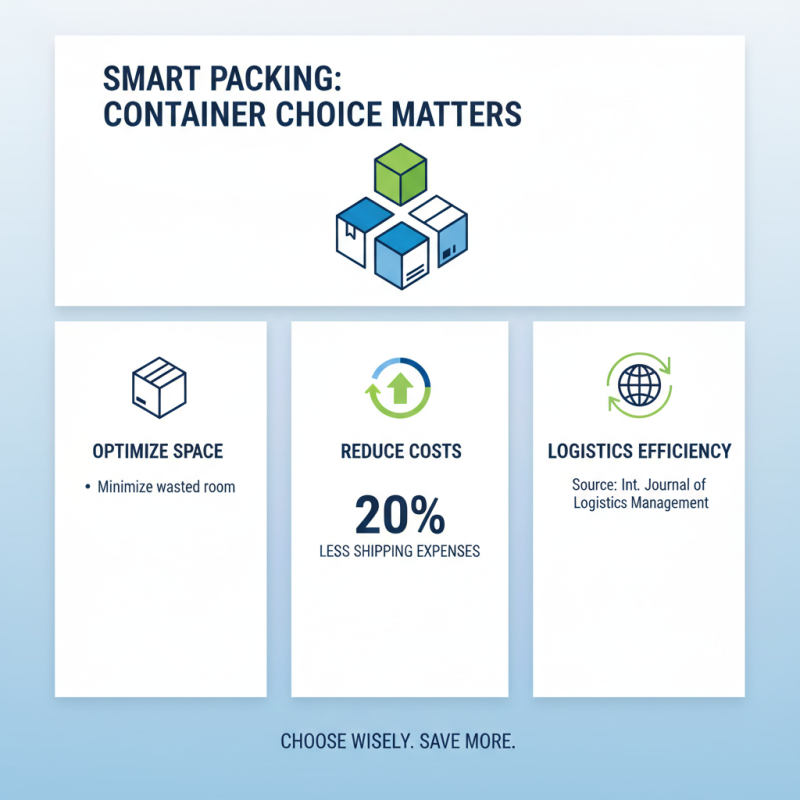
Choosing the right containers for packing is crucial for efficiency. Proper containers can minimize wasted space. According to a report from the International Journal of Logistics Management, optimized packing can reduce shipping costs by up to 20%. This statistic highlights the financial benefits of careful selection.
Space efficiency is not the only concern. The material and structure of containers impact the protection of goods. A report by the Packaging Institute noted that improper packing damages around 30% of products in transit. That’s a significant loss for businesses. Using sturdy and appropriately sized containers can help mitigate these risks.
It’s not just about saving money. There’s an environmental angle too. Well-designed containers can minimize waste. A study conducted by the Eco-Friendly Packaging Initiative revealed that using reusable containers can reduce landfill contributions by 50%. However, the industry often overlooks the importance of sustainability. Many still prioritize cost over environmental impact. Companies face challenges balancing efficiency with ecological responsibility.
Top Materials Used in Packaging Containers: Pros and Cons
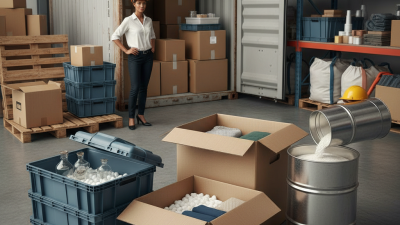
When choosing the right materials for packaging containers, it’s essential to weigh the pros and cons. Cardboard is a popular option due to its lightweight and recyclable nature. It can be easily customized to fit various shapes and sizes, making it versatile. However, cardboard is not water-resistant. When exposed to moisture, it loses its strength and can lead to damaged goods.
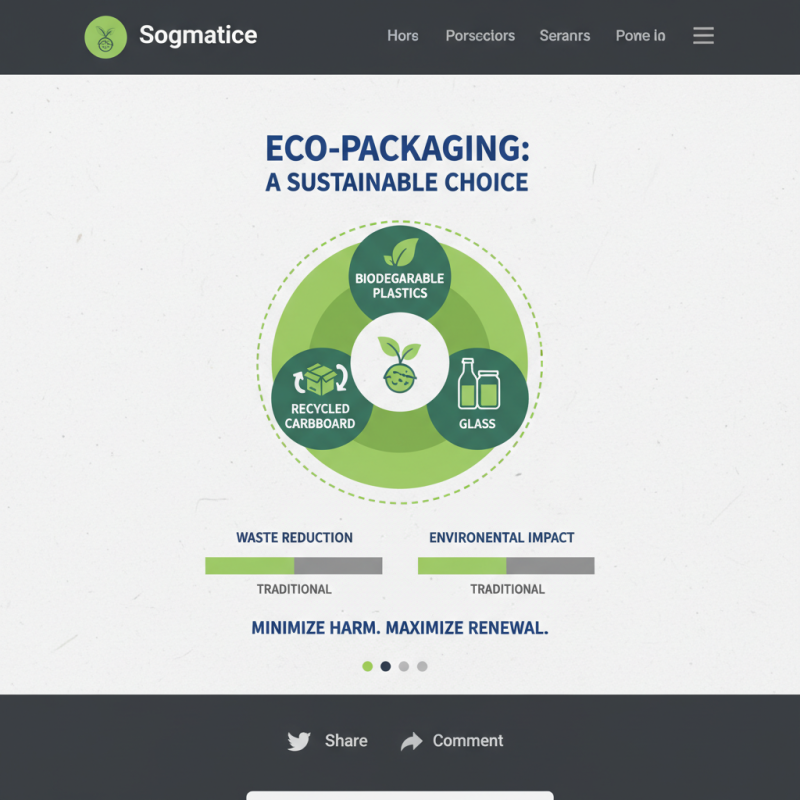
Plastic containers are another common choice. They offer durability and resistance to chemicals. Many plastics are also lightweight, which helps reduce shipping costs. However, plastic can be less environmentally friendly. The long decomposition time of plastics raises concerns. Some consumers prefer biodegradable options, but these can be more expensive and less durable.
Glass containers provide a premium feel and are perfect for food products. They keep items fresh without altering taste. Yet, glass is heavy and can break easily. Shipping costs may increase because of its weight. As you consider the materials for your packaging, reflect on the balance between protection, cost, and sustainability. It’s a tricky equation to solve, often requiring compromises.
Top 10 Best Containers For Packing Your Goods Efficiently
This chart displays the top 10 materials used in packaging containers along with their pros and cons, making it easier to understand their efficiency for packing goods.
Capacity Optimization: How Container Volume Affects Packing Efficiency
Container volume plays a crucial role in packing efficiency. According to industry reports, optimizing container capacity can lead to significant cost reductions. For instance, a study by the International Journal of Logistics Management revealed that effective use of space can improve loading efficiency by up to 30%. This is particularly important for businesses aiming to minimize shipping costs.
Employers should consider various container types. Larger containers may seem optimal, but they can lead to wasted space if not packed properly. On average, shippers may only utilize 60-70% of container volume due to inefficient packing methods. Choosing the right container size matters. Overhead space or gaps can result in excess shipping charges, which can impact bottom lines.
Moreover, it's essential to analyze specific items being packed. Different shapes or sizes require different packing strategies. For example, irregularly shaped goods can waste space if not organized strategically. Relying on generic solutions might not yield the best results. Each shipment should be treated uniquely to maximize container efficiency. Understanding these factors allows businesses to reflect on their packing methods and identify areas for improvement.
Cost-Effective Packing Solutions: Analyzing Industry Pricing Trends
When packing goods efficiently, the choice of containers significantly affects costs. Analyzing industry pricing trends reveals interesting insights. Many businesses overlook packaging expenses until they become a major concern. It's easy to assume that more expensive containers offer better protection, but this isn't always true. Sometimes, higher costs come with unnecessary features.
For instance, biodegradable options attract eco-conscious customers, yet they can be pricier. Many companies fail to calculate the long-term savings of using lighter materials. Heavier containers may increase shipping fees. Often, businesses struggle to find a balance between durability and cost. A solid box might last longer, but does it justify the price hike?
Also, the materials used can vary widely in price. While plastic variations might seem cheap, their environmental impact can hamper brand reputation. Reflecting on these choices reveals a complex layer of decision-making. Understanding the true cost of containers is vital for effective packing strategies. Focusing on efficiency can both reduce waste and lower expenses in the long run.
Top 10 Best Containers For Packing Your Goods Efficiently
| Container Type |
Material |
Capacity (L) |
Cost ($) |
Ideal Use |
| Plastic Bin |
Polypropylene |
75 |
25 |
Storage & Organization |
| Cardboard Box |
Cardboard |
40 |
10 |
Shipping & Moving |
| Glass Jar |
Glass |
1 |
3 |
Food Storage |
| Metal Container |
Aluminum |
100 |
50 |
Industrial Use |
| Fabric Tote |
Canvas |
30 |
15 |
General Purpose |
| Bulk Bag |
Woven Polypropylene |
1000 |
75 |
Agricultural Use |
| Pallet Box |
Plastic |
120 |
60 |
Warehouse Storage |
| Lunch Box |
BPA-Free Plastic |
2 |
12 |
Food Transportation |
| Cooler |
Plastic with Insulation |
50 |
40 |
Picnics & Events |
| Wooden Crate |
Wood |
60 |
35 |
Transporting Goods |