Best Nylon Packaging Options for Your Products?
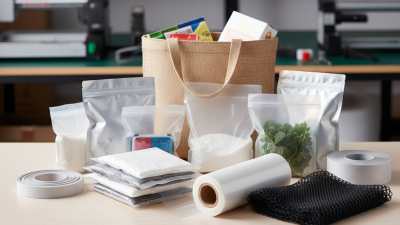
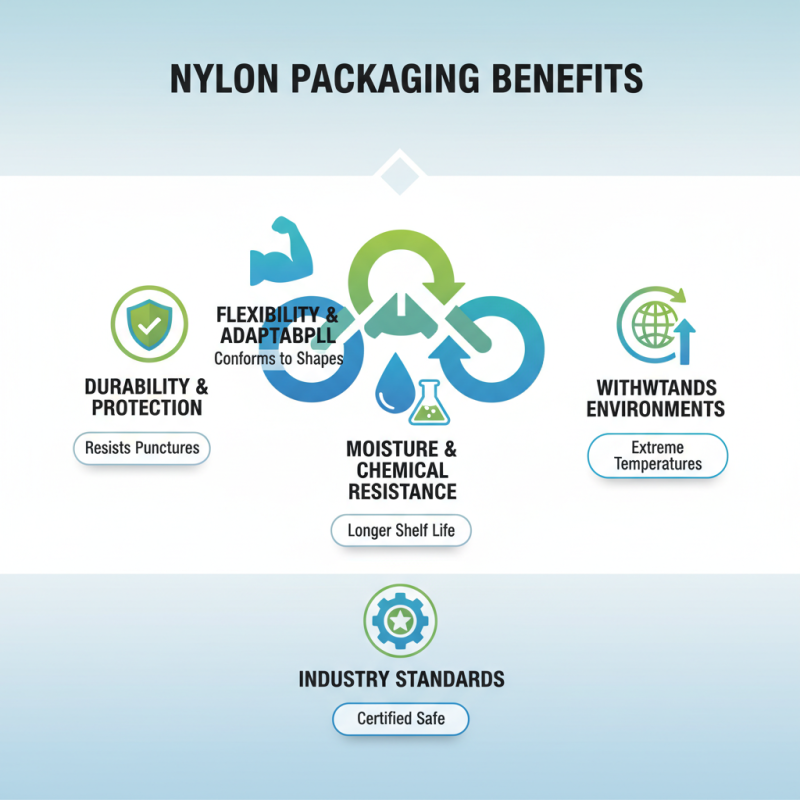
Nylon packaging has become a top choice for many industries. Its strength, flexibility, and resistance to moisture make it ideal for various products. According to a recent report by Smithers Pira, the global demand for flexible packaging, including nylon, is projected to grow by 4% annually. This growth highlights the importance of selecting the right packaging materials.
However, the benefits of nylon packaging come with considerations. Manufacturers must assess the environmental impact of their choices. While nylon offers durability, it also poses challenges in recyclability. Reports from the Ellen MacArthur Foundation indicate that only 14% of plastic packaging is recycled worldwide. This raises questions about sustainability in nylon’s production and disposal.
As brands seek to differentiate themselves, the right nylon packaging option can enhance product presentation and customer experience. Yet, businesses must reflect on potential trade-offs. Are they balancing performance with responsibility? The answer may not be straightforward, yet the conversation around nylon packaging is crucial for future innovation.

Best Nylon Packaging Options for Your Products: A Comprehensive Guide
Nylon packaging has gained immense popularity across various industries. According to a report by MarketsandMarkets, the global nylon packaging market is projected to reach USD 21.75 billion by 2025, growing at a CAGR of 5.5%. This growth is largely driven by nylon's strength, flexibility, and resistance to chemicals. Many companies appreciate these qualities as they seek durable solutions for their products.
The versatility of nylon allows for various applications, including food packaging, electronics, and textiles. Nylon bags can protect items from moisture and contamination. For instance, a nylon pouch can preserve the freshness of food items while maintaining an appealing aesthetic. However, some manufacturers struggle with sourcing sustainable nylon options. The environmental impact of plastic products remains a significant concern. Some brands are now exploring recycled nylon, which may reduce waste but can come with varying strength and quality.
Not all nylon packaging solutions are created equal. Certain types may offer excellent puncture resistance but lack in other areas, like seal integrity. Companies often find themselves balancing quality with cost. Ensuring that packaging meets specific product requirements without excessive expense is challenging. Therefore, it is crucial to assess the unique needs of each product to find the ideal nylon packaging option.
Understanding Nylon Types: From Nylon 6 to Nylon 66 in Packaging
Nylon is a versatile material commonly used in packaging. Its strength and chemical resistance make it a preferred choice for many industries. There are different types of nylon, each with unique properties that affect their suitability for various applications. Nylon 6 and Nylon 66 are two popular forms used in packaging, and understanding their characteristics is essential for effective material selection.
Nylon 6 has a lower melting point and great flexibility. It exhibits excellent transparency, making it suitable for applications where visual appeal is critical. According to a market report by MarketsandMarkets, the global demand for Nylon 6 in packaging is projected to grow by 4.5% annually. However, it is important to consider its moisture absorption. Excessive moisture can weaken its structure, leading to packaging failures.
In contrast, Nylon 66 offers higher tensile strength and thermal resistance. It performs better in demanding environments but can be more expensive. A study by Grand View Research indicates that the market for Nylon 66 packaging materials is expected to rise significantly. Yet, the production process often requires more resources, raising ethical and sustainability questions. Companies need to weigh these factors carefully when choosing the right nylon type for their packaging needs.
Sustainability in Nylon Packaging: Exploring Recycled and Biodegradable Options
The conversation around sustainability in nylon packaging is increasingly important. Traditional nylon is durable but poses environmental challenges. It does not biodegrade easily, which leads to long-term pollution. Recent studies have shown that nylon waste contributes significantly to global plastic pollution, with approximately 8 million tons entering oceans annually.
Recycled nylon options provide a viable solution. According to the Nylon Recycling Association, nearly 20% of new nylon can come from recycled materials. This reduces the demand for virgin materials and lessens environmental impact. Companies are now incorporating recycled nylon into their products, promoting a circular economy. Biodegradable nylon innovations also aim to combat pollution. These materials break down more efficiently, but they still face challenges in commercial viability and public awareness.
However, we must remain critical of these solutions. The recycled content might not always come from a closed-loop system. Additionally, the effectiveness of biodegradable materials can vary by environmental conditions. Not all biodegradable nylons decompose under standard landfill conditions. Industry experts suggest that relying solely on these materials might detract from addressing broader systemic issues in waste management. The sustainability journey in nylon packaging continues to evolve, raising questions about the balance between convenience and ecological responsibility.
Best Nylon Packaging Options for Your Products
This chart illustrates the sustainability scores of different nylon packaging options. Recycled nylon scores the highest due to its reduced environmental impact, followed by biodegradable nylon, while conventional nylon ranks the lowest.
Cost Analysis: Evaluating the Economic Benefits of Nylon Packaging Solutions
Nylon packaging offers diverse solutions for various products. Analyzing its economic benefits reveals compelling advantages. The durability of nylon reduces damage during shipping. This can lead to lower replacement costs. Sturdier packaging often means fewer returns and complaints.
However, the initial costs can be higher compared to alternatives. Businesses must weigh the upfront investment against long-term savings. Recycling and environmental concerns can also impact costs. Sustainable practices might lead to increased expenses initially. Yet, they can enhance brand image in the long run.
Consider the versatility of nylon. It can be tailored for different applications. From food products to electronics, it adapts well. This flexibility can streamline inventory management. Yet, over-reliance on a single packaging type can be risky. Regular assessments of packaging strategies are necessary. Balancing cost and functionality remains a challenge.
Best Nylon Packaging Options for Your Products? - Cost Analysis: Evaluating the Economic Benefits of Nylon Packaging Solutions
| Packaging Type |
Cost per Unit ($) |
Weight (grams) |
Durability Rating (out of 10) |
Recyclability (%) |
Shelf Life (years) |
| Nylon Bags |
0.15 |
20 |
8 |
75 |
3 |
| Nylon Shrink Wrap |
0.10 |
15 |
9 |
70 |
2 |
| Nylon Pouches |
0.25 |
22 |
7 |
80 |
4 |
| Nylon Resource Bags |
0.18 |
18 |
8 |
85 |
5 |
| Nylon Film |
0.08 |
10 |
6 |
90 |
6 |