10 Best Specialized Boxes for Your Unique Needs?
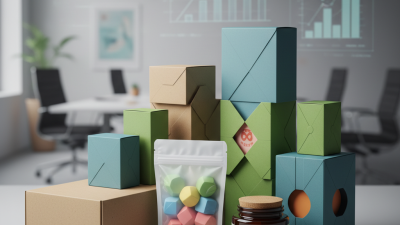
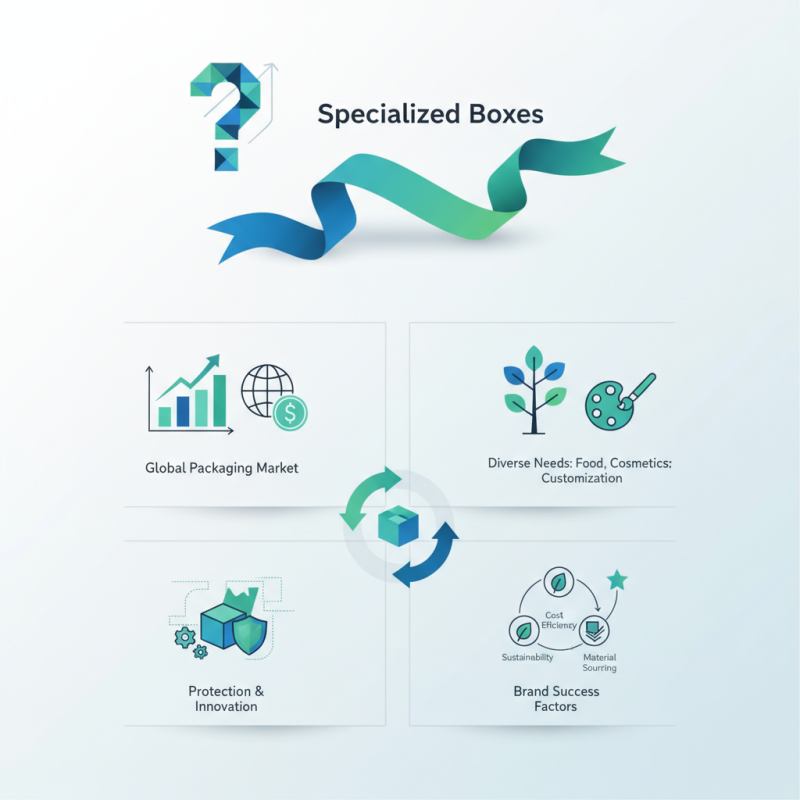
In today's diverse marketplace, the demand for Specialized Boxes is on the rise. According to recent industry reports, the global packaging market is projected to reach over $500 billion by 2026. Specialized boxes play a critical role in meeting unique requirements for various products. These boxes can cater to specific dimensions, materials, and designs.
Businesses from food and cosmetics to technology often need customized packaging solutions. A study by Smithers Pira indicates that 80% of companies prefer specialized packaging for differentiation. This shift demonstrates the need for innovation in designing boxes that not only protect products but also enhance brand identity. However, choosing the right type can be challenging.
Despite the options available, some may still struggle to find the perfect fit. Factors like cost, sustainability, and material sourcing are often overlooked. Companies must reflect on their choices, ensuring their specialized packaging meets customer expectations while remaining efficient and environmentally friendly. With the right approach, specialized boxes can significantly impact a brand's success.
Understanding Specialized Boxes: Definitions and Types
Specialized boxes cater to unique needs across various industries. These boxes are designed for specific purposes, often requiring custom sizes and materials. For example, a medical supply box must be sterile and durable, ensuring safe transport of essential items. In contrast, a tool box might need compartments for organization and easy access.
Different types of specialized boxes include art supply cases, shipping containers, and archival storage. Each serves a distinct function yet shares common characteristics—protection, accessibility, and organization. Sometimes, the chosen design may not fully meet the intended purpose. This reflects the continuous challenge of balancing functionality and aesthetics. The wrong size can lead to awkward handling, while inadequate materials might compromise safety.
Understanding the diverse types helps identify your needs. Whether you seek a sturdy box for tools or a delicate case for art supplies, careful consideration is crucial. Evaluate what works best for you, ensure it meets specific demands, and remain open to adjustments. Box solutions can often come with limitations, and reflecting on them leads to better choices.
Market Analysis: Demand for Specialized Packaging Solutions
In recent years, the demand for specialized packaging solutions has surged significantly. Companies across various industries recognize the importance of unique packaging. This trend reflects a growing awareness of consumer preferences and market needs. Many businesses struggle to select the right packaging. Some opt for generic options, overlooking the benefits of tailored solutions.
Specialized boxes offer more than protection; they enhance the customer experience. Consider the example of a subscription box tailored to a theme. These boxes create excitement and curiosity. However, finding a balance between aesthetics and functionality can be challenging. Some businesses prioritize appearance over practicality, resulting in customer dissatisfaction.
The market analysis indicates a clear shift. Consumers are looking for packaging that tells a story. Lightweight designs are essential, but they should not compromise durability. Brands often miss the mark on sustainability as well. Eco-friendly options may be more expensive, but they resonate with environmentally conscious buyers. Ultimately, the packaging should reflect the brand’s values while also meeting customer expectations.
10 Best Specialized Boxes for Your Unique Needs
| Box Type |
Material |
Dimensions (L x W x H) |
Weight Capacity |
Special Features |
| Shipping Box |
Corrugated Cardboard |
12 x 12 x 12 inches |
30 lbs |
Water-resistant coating |
| Gift Box |
Paperboard |
10 x 8 x 6 inches |
15 lbs |
Magnetic closure |
| Produce Box |
Recycled Cardboard |
24 x 16 x 8 inches |
50 lbs |
Ventilation holes |
| Electronics Box |
Foam-lined Plastic |
18 x 10 x 8 inches |
20 lbs |
Shock-resistant |
| Clothing Box |
Recyclable Paper |
15 x 10 x 3 inches |
5 lbs |
Foldable design |
Top 10 Specialized Boxes: Features and Benefits
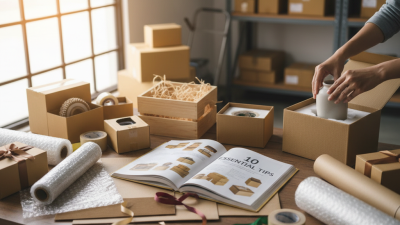
When looking for specialized boxes, it’s essential to choose the right one for your needs. Each box features unique designs and functions. For example, some are great for delicate items. They provide cushioning and protection. Others may be better suited for heavy tools, offering robust support.
Tips: Always measure your items before selecting a box. This helps avoid sizing issues later. Remember to consider the material. Is it sturdy enough for what you need? A flimsy box can lead to accidents and damage.
When you select a box, consider your storage situation. Some may stack easily, while others may not. Keep in mind your available space. A poorly fitting box can create clutter. Reflect on your preferences to avoid future frustration.
Top 10 Specialized Boxes: Features and Benefits
Industry-Specific Applications of Specialized Boxes
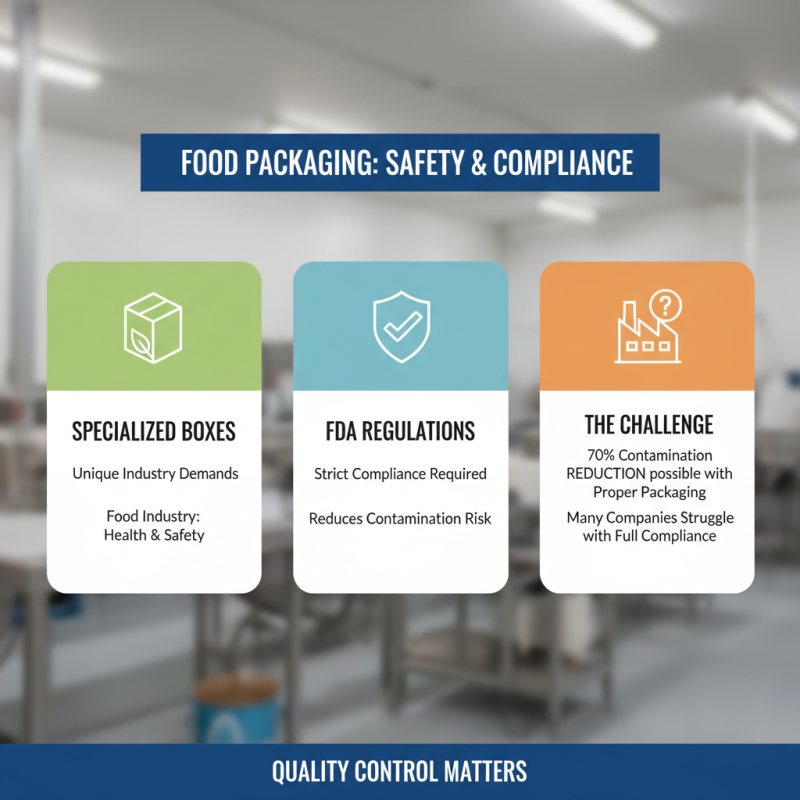
When it comes to specialized boxes, different industries have unique demands. The food industry, for example, requires packaging that meets strict health and safety regulations. A report by the Food and Drug Administration (FDA) notes that proper packaging can reduce contamination risks by up to 70%. Many companies still struggle to fully comply, which raises questions about their quality control processes.
In the technology sector, specialized boxes must provide more than just protection. They need to manage heat and static electricity. Studies show that improper packaging can lead to a 30% increase in product failures during shipping. This statistic is alarming and highlights the importance of investing in quality packaging materials. Companies might overlook the long-term costs of cheap packaging, ultimately affecting their reputation.
Other sectors, like pharmaceuticals, also face challenges. Specialized boxes must not only protect the contents but also maintain the required temperature during transit. According to industry data, 15% of pharmaceutical products can lose efficacy due to temperature fluctuations. Companies should reevaluate their packaging strategies regularly. It's crucial for them to adapt and innovate, rather than relying on outdated methods.
Cost-Benefit Analysis of Using Specialized Packaging
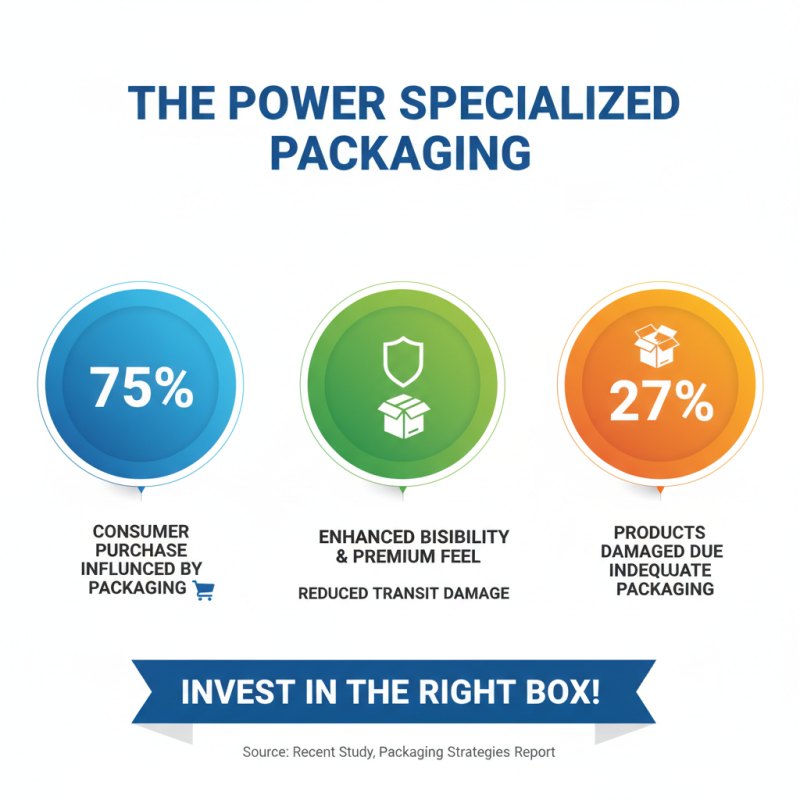
In today’s market, specialized packaging plays a critical role. A recent study revealed that 75% of consumers are influenced by packaging. This highlights the importance of using the right box for unique products. Specialized boxes can enhance brand visibility and create a premium feel. They also reduce damage during transit. Surprisingly, a report from Packaging Strategies states that 27% of products are damaged due to inadequate packaging. This can lead to significant costs for businesses.
Cost-benefit analysis shows that investing in specialized packaging often pays off. While it may seem expensive initially, the long-term savings can be substantial. Businesses can see a reduction in returns by up to 20% when using custom solutions. Moreover, the proper boxes can lead to an increase in customer satisfaction. A study by The Freedonia Group indicated that better packaging can improve repeat purchases by about 30%. Yet, many companies still undervalue this aspect. They focus solely on manufacturing costs, ignoring packaging’s impact.