China Top Box Material Options for Various Applications?
The choice of box material significantly influences product performance and sustainability. Various applications demand specific properties from box materials, such as durability, cost-effectiveness, and environmental impact. In China, innovative materials emerge as key contenders in the market, balancing tradition with modern needs.
From packaging for electronics to durable solutions for furniture, the right box material can enhance lifecycle and usability. Companies look for options that not only meet practical requirements but also align with eco-friendly practices. For instance, biodegradable materials are increasingly sought after in a market that values sustainability.
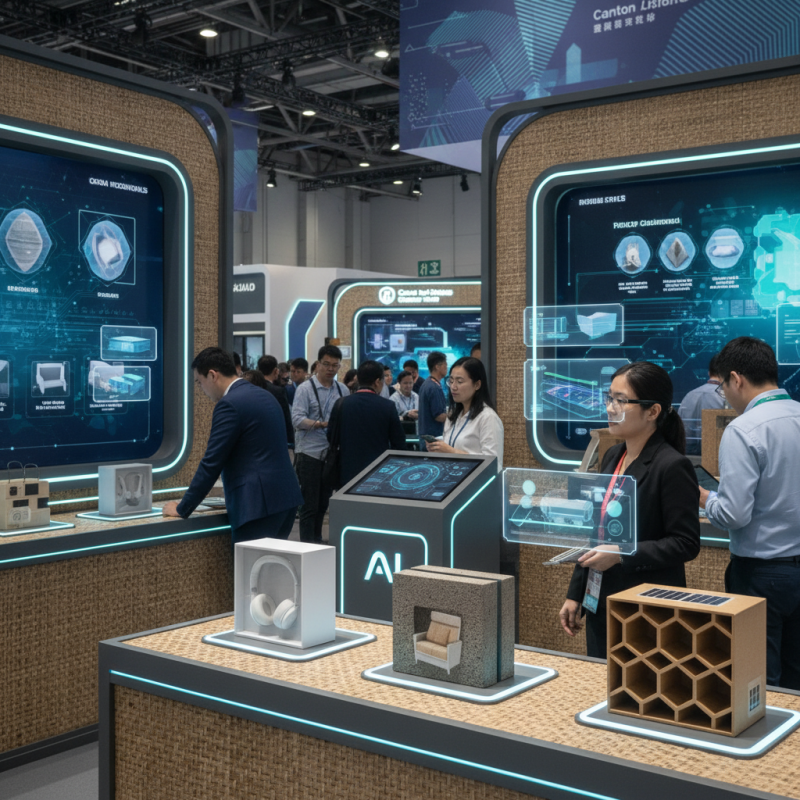
As the 2026 Canton Fair approaches, the spotlight will be on advanced manufacturing and sustainable materials. Attendees will utilize AI features for swift sourcing. However, companies must reflect on how to improve material selection processes. Adapting to new technology and market demands will challenge traditional methods. The journey towards optimal box material choices is ongoing and requires constant innovation.
China's Leading Box Materials: An Overview
China has become a prominent player in the box material industry. Various applications call for different materials, each with distinct properties. Consumers and businesses alike seek durable options that meet specific needs.
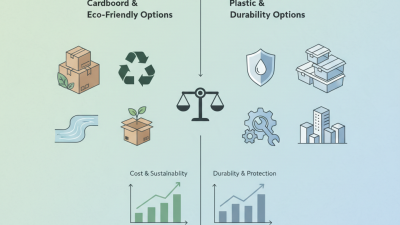
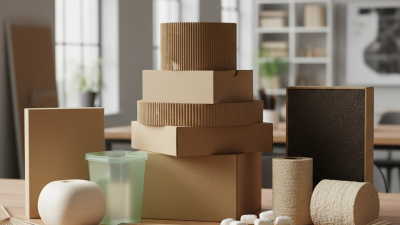
Cardboard remains a popular choice due to its lightweight yet sturdy nature. It’s ideal for shipping and packaging. Meanwhile, plastic boxes offer water resistance and longer life spans, making them suitable for storage and transportation. Each material has its pros and cons. Carefully consider which attributes are essential for your projects.
Tip: Always evaluate the environmental impact of materials. Some options may seem cheaper but can have hidden costs. Recyclable materials are a step towards sustainability. Choose wisely.
Wood boxes present aesthetic appeal, often used in gift packaging. However, they can be heavier and costlier. Balancing aesthetics and function is key. Reflect on what matters to you and your target market when selecting materials.
Tip: Experiment with different materials for prototypes before committing to mass production. This could save time and resources in the long run. The right choice can make a significant impact on your brand’s reputation.
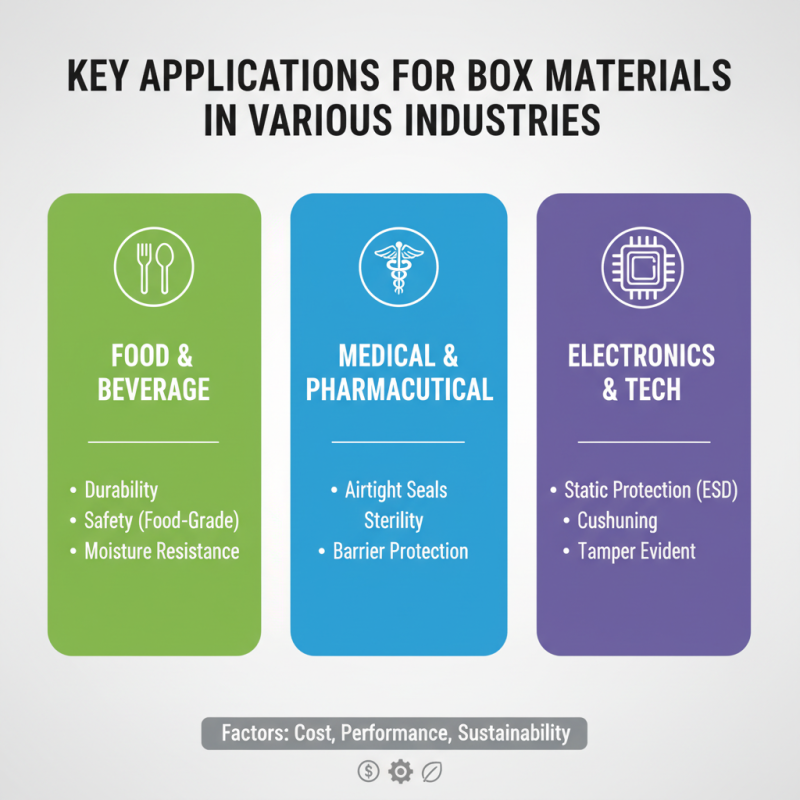
Key Applications for Box Materials in Various Industries
When selecting box materials, industries have distinct needs. Packaging for food requires durability and safety. Medical supplies demand airtight seals and sterility. Electronics packaging needs static protection. Each sector weighs cost, performance, and sustainability.
Tips: Always consider the end-use of the packaging. For instance, lighter materials for shipping can cut costs. However, they might sacrifice protection. This balance is crucial for successful outcomes.
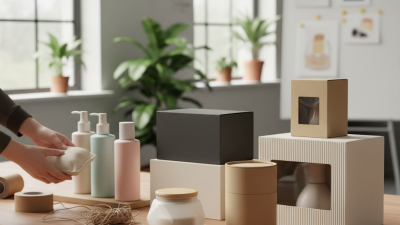
In the consumer goods sector, aesthetics play a role. Beautiful designs can attract customers. But, it’s vital to ensure the packaging is functional too. Unnecessary complexity may hinder usability. Always aim for a straightforward approach.
In the realm of e-commerce, resilience is essential. Boxes must withstand rough handling during shipping. Yet, many companies overlook material thickness. This can lead to damaged products. Reflect on the balance between packaging strength and weight. Each choice influences costs and customer satisfaction.
Comparative Analysis of Box Material Properties
When selecting box materials in China, it's crucial to understand their properties. Paperboard, for example, is widely used for packaging due to its lightweight and recyclability. A recent industry report highlights that 70% of packaging in e-commerce utilizes paper-based materials. Strength is essential for shipping. Double-wall corrugated boxes can support heavier items, but they add cost.
Plastics are another popular option. They offer moisture resistance and durability. However, plastic materials can present challenges, especially with environmental concerns. Data shows that 30% of consumers prefer eco-friendly packaging. This shift creates a demand for sustainable alternatives.
Metal boxes are less common but valuable in specific applications, such as food storage. They provide an airtight seal, ensuring freshness. Still, metal can be heavier and more expensive. Cost-analysis reports indicate that metal packaging can increase overall shipping expenses by up to 20%. Thus, the choice of material should consider application needs and cost efficiency. Exploring these options can lead to better decisions in materials selection.
Sustainability Trends in Box Material Selection
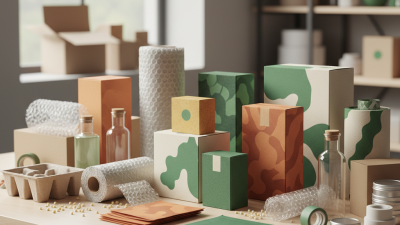
Sustainability is reshaping the box material landscape in China. Consumers increasingly seek eco-friendly packaging options. As industries pivot towards greener solutions, various materials gain popularity. Recyclable and biodegradable options emerge as front-runners in this shift. Many brands are re-evaluating their choices to include materials that minimize environmental impact.
Some traditional materials still dominate the market, yet their sustainability credentials are under scrutiny. For instance, plastic remains widely used, but concerns arise about its long-term effects on ecosystems. On the other hand, innovations in paper and plant-based materials are gaining traction. These alternatives often come with their own challenges, such as sourcing and cost.
It’s essential to recognize that not all sustainable materials are perfect. Misunderstandings about recycling processes often lead to contamination. Furthermore, the balance between cost and sustainability can be complex. Many businesses navigate these challenges, striving to make informed decisions. Education around these issues becomes crucial in guiding both consumers and manufacturers in choosing the right packaging solutions.
China Top Box Material Options for Various Applications
This chart illustrates the various box material options popular in China, highlighting their sustainability trends. The materials analyzed include cardboard, corrugated paper, plastic, and biodegradable options. The chart depicts the percentage usage of each material in different applications such as retail packaging, food packaging, and shipping.
Emerging Innovations in Box Material Technology in China
The box material technology landscape in China is undergoing rapid innovation. Recent reports indicate that the demand for sustainable materials is surging, driven by both environmental concerns and regulatory changes. In 2023, over 40% of packaging companies in China have started adopting biodegradable materials. This shift reflects a growing awareness among manufacturers and consumers alike.
Innovation in materials is not just about sustainability. Research shows that advanced composite materials are gaining traction. These materials can enhance strength while reducing weight. The global composite packaging market is expected to grow by 12% annually, with China leading this momentum. Nevertheless, the transition to new materials comes with challenges. Compatibility with existing processing technologies often hinders progress. Companies must invest in R&D to overcome these barriers.
Additionally, trends show a flourishing interest in smart packaging solutions. These can provide real-time data about products, improving supply chain efficiency. Yet, the integration of technology and materials poses questions about cost-effectiveness and market adoption. Balancing innovation with practicality will be essential for future developments in box materials.
China Top Box Material Options for Various Applications
| Material Type |
Application |
Benefits |
Sustainability Rating |
| Corrugated Cardboard |
Shipping & Packaging |
Lightweight, Cost-effective |
High |
| Plastic (PET) |
Retail Packaging |
Durable, Water-resistant |
Medium |
| Bamboo Fiber |
Eco-friendly Packaging |
Biodegradable, Sustainable |
Very High |
| Metal (Aluminum) |
Food & Beverage Packaging |
Recyclable, Strong |
High |
| Glass |
Luxury Packaging |
Elegant appearance, Reusable |
Medium |