China Best Liquid Bags for Global Buyers Seeking Quality Solutions?
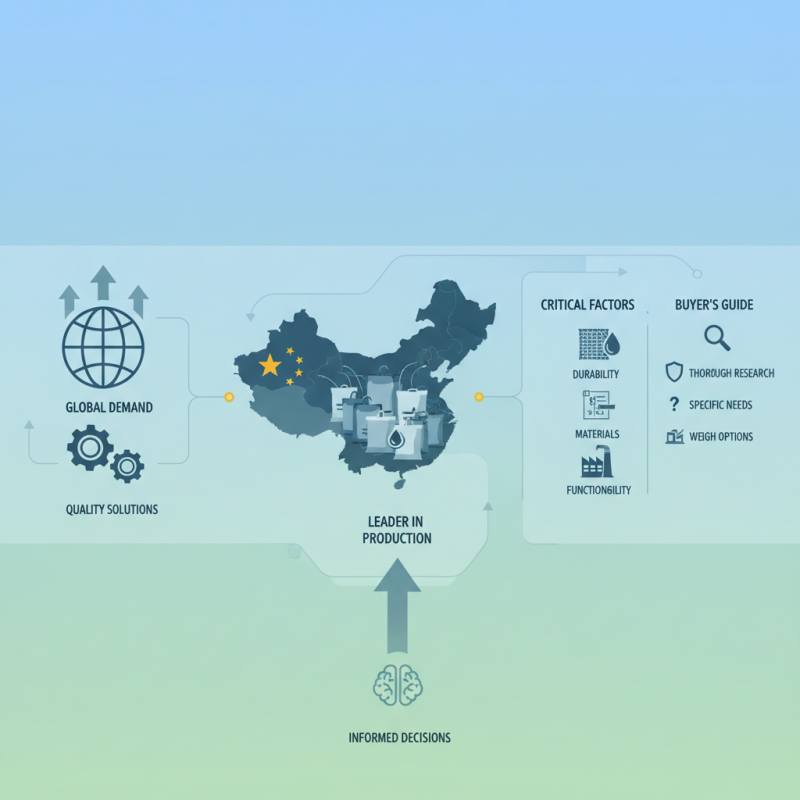
The demand for high-quality Liquid Bags has grown significantly in recent years. Global buyers are continuously seeking solutions that ensure durability and effectiveness. China stands out as a leader in producing these essential items, offering a diverse range that caters to various industries.
Choosing the right Liquid Bags can be challenging. The quality of materials, design, and functionality are critical factors. Not all manufacturers meet the stringent standards required by global clients. Therefore, buyers need to conduct thorough research to identify reliable suppliers.
Understanding the intricacies of Liquid Bags is vital. Buyers should consider their specific needs and evaluate different options. While many products may appear similar, subtle differences can influence performance. It is essential to weigh these factors carefully to make informed decisions.
Understanding Liquid Bags: Types and Uses in Various Industries
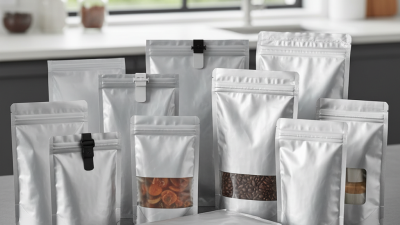
Liquid bags are essential for transporting various substances across industries. They are commonly used in food, beverage, and chemical sectors. Each industry requires bags that can safely hold and preserve liquids. For example, food-grade liquid bags must comply with strict safety standards. This ensures the contents remain uncontaminated.
Different types of liquid bags serve unique purposes. Some are designed for hot liquids, while others are best for cold. Flexible intermediate bulk containers (FIBCs) are ideal for bulk liquids, allowing easy handling and transportation. Water-resistant and durable materials enhance bag reliability in challenging environments. However, finding the right material is often a complex process. It requires understanding the specific needs of each application.
While many options exist, not all liquid bags guarantee quality. Buyers must consider factors like leak resistance and durability. Over time, some bags may not perform as expected. Regular testing and feedback loops are necessary to identify these issues. This reflection can lead to improved solutions and better product longevity. Seeking expert advice and industry insights is crucial for making informed choices.
Quality Standards for Liquid Bags in the Global Market
When it comes to liquid bags, quality is paramount. Global buyers must understand the standards that govern these products. A reliable liquid bag should have excellent tensile strength. It should withstand pressure and avoid leaks. Many manufacturers offer various materials, but not all meet international standards. Each region has specific requirements for materials and production processes.
Certification plays a crucial role in ensuring quality. Look for certifications that indicate compliance with safety and environmental regulations. Testing for durability and performance is essential. Although some bags may appear similar, their performance can vary significantly. Buyers must conduct thorough evaluations before making a purchase.
In the quest for the best solutions, it’s essential to balance cost and quality. Cheaper options may tempt buyers but can lead to issues down the line. Reflecting on customer feedback can provide insights. This helps in making informed decisions. Ultimately, the objective should be to find liquid bags that guarantee safety and efficiency, regardless of the price point.
Top Chinese Manufacturers of Liquid Bags and Their Offerings
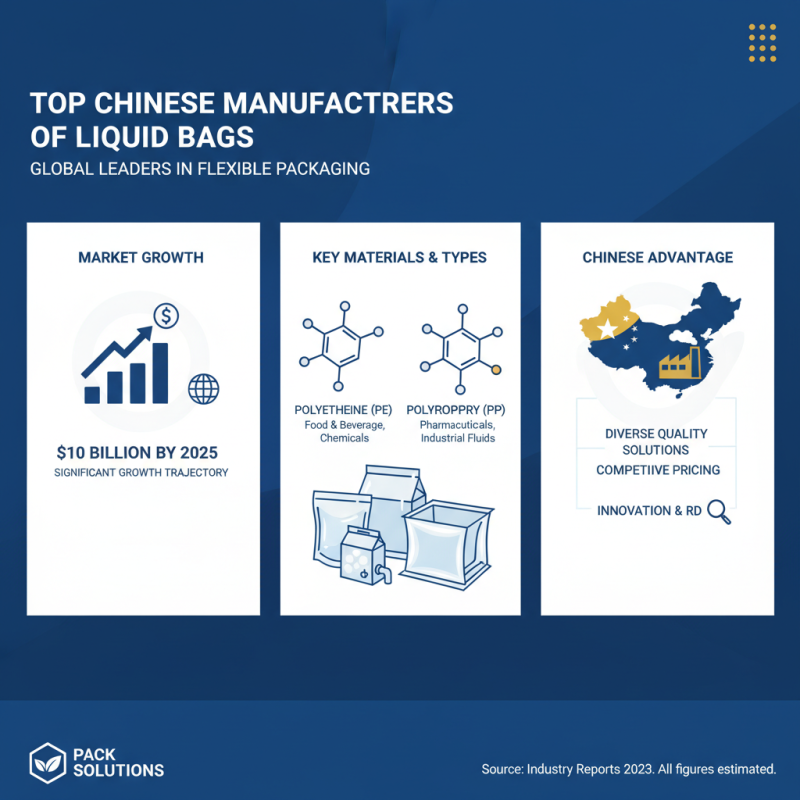
In the global liquid bag market, China stands out as a key player, attracting buyers with diverse quality solutions. Recent reports indicate a significant growth trajectory, with the market expected to reach $10 billion by 2025. Chinese manufacturers offer a plethora of liquid bags, including those made from polyethylene and polypropylene, catering to various industries.
One notable trend is the increasing demand for eco-friendly options. A report from the International Market Research Group highlights that 35% of liquid bag buyers now prioritize sustainable materials. This shift reflects growing environmental awareness among consumers. However, despite this progress, some manufacturers still face challenges in sourcing recycled materials.
Quality remains a vital factor. The global market demands liquid bags that are durable and leak-proof. Yet, inconsistencies in production methods can lead to varying quality levels. A recent survey showed that 20% of buyers expressed concerns over quality assurance. To navigate these issues, buyers should conduct thorough research and seek out manufacturers with proven reliability and quality certifications.
Factors to Consider When Sourcing Liquid Bags from China
When sourcing liquid bags from China, several important factors define the success of your purchase. Quality is paramount. Inspecting materials and fabric types ensures that your products meet industry standards. Many buyers overlook this step, leading to subpar results. Understanding the manufacturing processes can enhance decision-making and product reliability. Engage with suppliers to clarify their quality control practices.
Pricing is another critical factor. While it may be tempting to choose the lowest price, this can come with risks. Balance cost with quality and durability. Request samples before placing large orders. Inspect each sample thoroughly to assess fit for purpose. Additionally, consider the supplier's reputation and experience in the market.
Communication plays a vital role in sourcing. Ensure that you have clear dialogue with potential suppliers. Misunderstandings can lead to costly mistakes. Language barriers and cultural differences may complicate transactions. Being patient and diligent when negotiating can forge stronger partnerships. Establish long-term relationships to foster trust. This approach can lead to better deals and improved product quality over time.
Sustainability Practices in the Production of Liquid Bags in China
China has emerged as a significant player in the global liquid bag market. As buyers worldwide seek high-quality solutions, sustainability practices are becoming essential in production. Manufacturers are increasingly aware of their environmental impact. They are adopting eco-friendly materials and processes to minimize waste. For instance, some production facilities are using recycled plastics. This step not only reduces raw material usage but also lowers energy consumption.
Moreover, many manufacturers invest in efficient production technologies. These methods reduce emissions and enhance overall sustainability. However, challenges remain. Not every company prioritizes eco-friendly practices. The industry faces pressure to comply with international standards. Transparency in the supply chain is crucial for ensuring genuine sustainability. Buyers should seek partners who can demonstrate their commitment through verifiable practices. This approach fosters trust and promotes long-term relationships.
Despite progress, ongoing reflection is necessary. Continuous improvement should be on every manufacturer’s agenda. Understanding areas for growth can help companies innovate further in sustainability. Global buyers are increasingly valuing these efforts, setting higher expectations on ethical production. The journey towards sustainable liquid bags in China is ongoing, marked by both achievements and challenges.