Why Choose Juice Bag for Your Beverage Packaging Needs?
As the beverage industry evolves, companies face increasing demand for innovative packaging solutions. One of the standout options is the Juice Bag. According to a recent market analysis by Beverage Packaging Insights, the global juice pouch market is expected to grow by 7.4% annually through 2025. This growth highlights a shift towards convenient and sustainable packaging.
Expert in beverage packaging, Dr. Emily Carter, emphasizes, "Juice Bags not only provide convenience but also reduce environmental impact." This statement encapsulates the benefits that Juice Bags bring to both consumers and manufacturers. Their lightweight design allows for efficient distribution while minimizing waste.
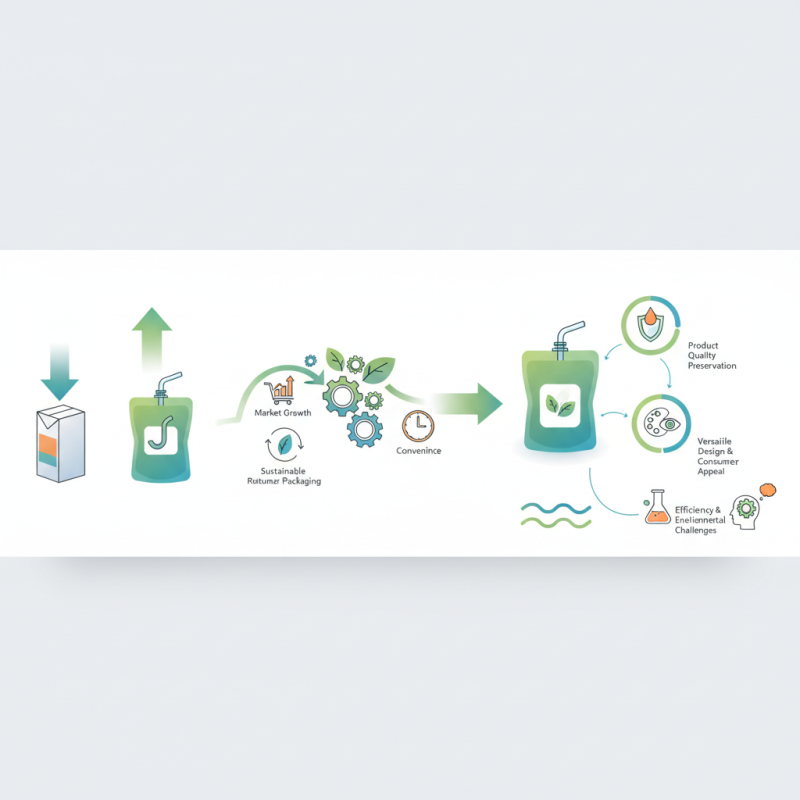
Companies are often challenged to find packaging that not only preserves quality but also attracts consumers. Juice Bags offer versatility in design, making them appealing on store shelves. Yet, adopting new packaging technology comes with a learning curve. Brands must navigate consumer preferences while ensuring product integrity remains intact.
Benefits of Using Juice Bags for Beverage Packaging Efficiency
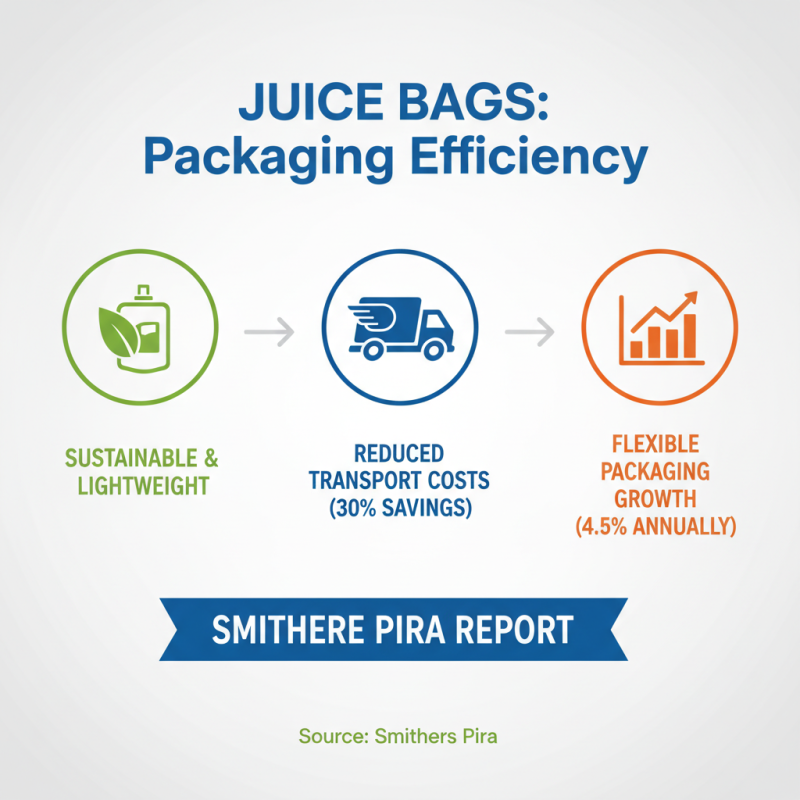
Juice bags have become a preferred choice for beverage packaging due to their efficiency and sustainability. A report by Smithers Pira indicates that flexible packaging is projected to grow at a rate of 4.5% annually. Juice bags, with their lightweight design, significantly reduce transportation costs. This aspect is vital as logistics constitutes about 30% of packaging expenses in the beverage industry.
The design of juice bags also enhances consumer convenience. They are easy to store and require minimal shelf space. Additionally, juice bags can be sealed tightly, preserving freshness and extending shelf life. According to the National Geographic Society, about 79% of consumers look for sustainable packaging. Juice bags are often made from recyclable materials, catering to eco-conscious consumers. However, manufacturers must address the recyclability of certain materials used in juice bags to enhance their eco-friendly appeal.
While juice bags offer numerous benefits, there are challenges in maintaining consistency in sealing and filling processes. Inconsistencies can lead to product spoilage, impacting customer trust. Continuous improvements in technology are essential to mitigate these issues. Striking a balance between efficiency and sustainability requires ongoing innovation and adaptation in the packaging industry.
Comparative Analysis of Juice Bags vs. Traditional Beverage Containers
When comparing juice bags to traditional beverage containers, several factors emerge. Juice bags are lightweight and flexible. They reduce transportation costs significantly. This efficiency can be crucial for both manufacturers and consumers.
Traditional containers often use glass or rigid plastic. These materials can be heavy and bulky. They take up more space during shipping, leading to higher carbon footprints. In contrast, juice bags are designed for minimal resource use. They offer excellent barrier properties, preserving freshness.
However, there are concerns about sustainability. Juice bags are often made from multilayered materials. These can be challenging to recycle. Some consumers may prefer the perceived eco-friendliness of glass. This gap raises questions about long-term environmental impact. The conversation about which packaging is superior continues, urging us to reflect on the choices we make.
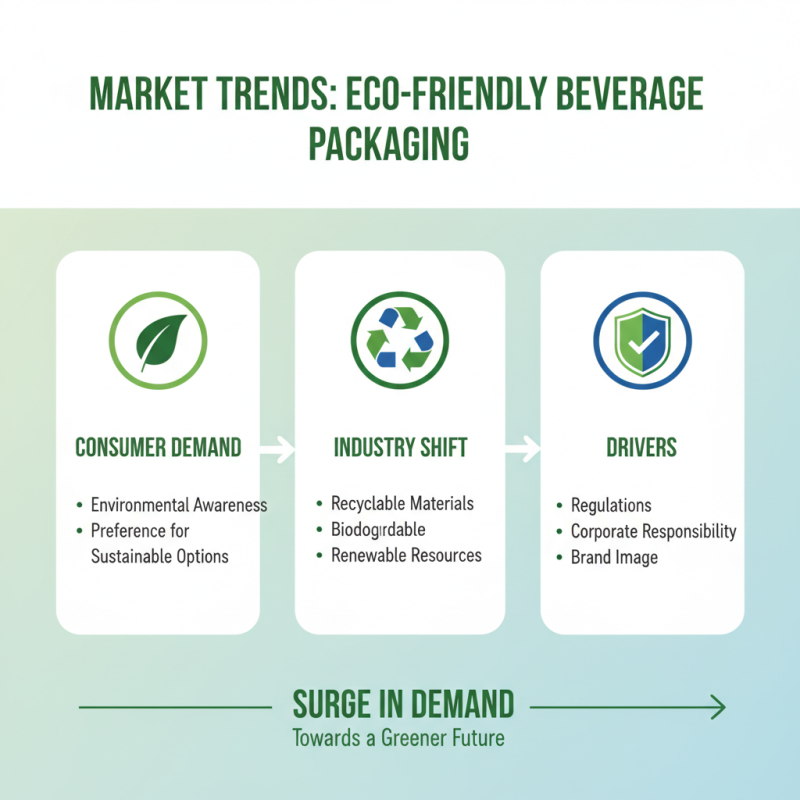
Market Trends: Surge in Demand for Eco-Friendly Beverage Packaging
As consumers grow increasingly aware of environmental issues, the demand for eco-friendly beverage packaging is surging. This trend reflects a broader movement towards sustainability in the food and beverage industry. Brands are now prioritizing materials that are recyclable, biodegradable, or made from renewable resources. This shift is not just driven by consumer preferences, but also by regulatory changes and corporate social responsibility initiatives.
In this evolving landscape, packaging that aligns with eco-friendly practices is essential. Materials such as plant-based plastics or recycled paper are becoming popular choices. Companies that utilize these options often enhance their brand image while contributing to a healthier planet. However, the challenge remains in balancing practicality and sustainability. Not all eco-friendly materials perform well, and some may increase costs.
Moreover, while many brands are eager to adopt sustainable practices, the transition can be complicated. There might be concerns about supply chains and production processes. Brands must reflect on their choices and engage in genuine conversations around sustainability. As the industry adapts, it’s crucial to continuously evaluate the effectiveness and impact of these eco-friendly initiatives.
Cost-Effectiveness of Juice Bags in Beverage Production and Distribution
Juice bags offer remarkable cost-effectiveness for beverage production and distribution. These flexible packages minimize material costs compared to traditional bottles or cartons. This not only reduces production expenses but also decreases shipping costs. A smaller carbon footprint is achieved by utilizing lighter and compact packaging.
Optimizing storage is another advantage of juice bags. They can be stacked efficiently, saving valuable warehouse space. Less inventory space translates to greater savings for producers. However, not every beverage suits this form of packaging. Some drinks may require more rigid containers for preservation. It's crucial to assess each product individually before making a switch.
In addressing quality control, juice bags provide a balance. Their barrier properties keep beverages fresher for longer. But, there may be concerns about leakage or shelf life. Continuous refinement is essential to enhance reliability. Manufacturers must ensure that the technology evolves alongside market demands. This ongoing improvement leads to a better alternative for consumers and producers alike.
Why Choose Juice Bag for Your Beverage Packaging Needs?
| Dimension |
Juice Bag |
Traditional Bottling |
| Material Cost |
$0.15 per unit |
$0.50 per unit |
| Production Time |
2 hours per 1000 units |
5 hours per 1000 units |
| Storage Efficiency |
Higher (Space-saving design) |
Lower (Bulkier shape) |
| Environmental Impact |
Recyclable materials |
Higher plastic waste |
| Transportation Cost |
Lower (Lightweight) |
Higher (Heavier) |
| Consumer Preference |
Increasingly Popular |
Traditional Preference |
Shelf Life Extension: How Juice Bags Preserve Beverage Freshness
Juice bags are designed to extend the shelf life of beverages effectively. This packaging offers a barrier against light, oxygen, and moisture. Each of these factors can degrade a drink's freshness. When sealed properly, juice bags can keep beverages tasting vibrant and delicious for a longer time.
The physical properties of juice bags play a crucial role in preservation. These bags are often made from multi-layer materials. This construction adds durability and prevents punctures. Additionally, the lightweight design makes them easy to handle and transport. Brands may need to consider their supply chain and storage methods to make the most of these advantages. Testing different variables can lead to better outcomes.
However, using juice bags also has its challenges. Proper sealing techniques must be employed to maintain freshness. Unsealed or poorly sealed bags can lead to spoilage. Understanding the limitations is vital for success. Evaluating packaging strategies regularly can help improve overall product quality. It is essential to remain adaptable in this ever-evolving market.
Why Choose Juice Bag for Your Beverage Packaging Needs?
This chart compares the shelf life of different beverage packaging types, demonstrating the effectiveness of juice bags in preserving freshness compared to other common packaging options.