How to Choose the Best Bag In Box Packaging for Your Needs?
Choosing the right Bag In Box Packaging can be a daunting task. With various options available, making an informed decision is essential. The right packaging ensures product safety, extends shelf life, and enhances consumer experience. Different products require different packaging types, and selecting the most suitable one can significantly impact your brand.
Bag In Box Packaging is particularly popular for liquids, like wines or sauces. It prevents oxidation and maintains freshness. However, not all Bag In Box options are created equal. Factors like material quality, seal integrity, and size must be considered. This variety can lead to confusion, especially for those new to the concept.
When evaluating options, think about your specific needs. Reflect on factors such as storage conditions and distribution methods. It’s not just about aesthetics; functionality plays a critical role. Being mindful of these aspects will lead to a packaging choice that truly meets your expectations.
Understanding Bag In Box Packaging and Its Benefits
Bag in Box (BiB) packaging is an innovative solution for liquids. Its design includes a flexible bag inside a durable cardboard box. This structure reduces oxidation and extends shelf life. It’s commonly used for wine, juices, and sauces. Many users appreciate its eco-friendly aspect. The materials can be recycled, making it a popular choice for businesses aiming for sustainability.
Understanding the benefits of BiB packaging is crucial. The convenience of dispensing liquids is a significant advantage. The tap system allows for an easy pour without spillage. This feature minimizes waste and mess. However, selecting the right BiB type can be confusing. There are various sizes and tap options. Choices depend on the product type and volume needs.
Some may overlook the importance of proper sealing. A well-sealed bag prevents leaks and contamination. Poor seals can lead to unfortunate waste and product spoilage. Businesses must evaluate their storage and distribution methods. A reliable supplier can provide guidance on best practices. Making informed choices enhances both quality and efficiency in packaging.
Key Factors to Consider When Choosing Bag In Box Packaging
When selecting Bag In Box packaging, there are several key factors to weigh. One critical aspect is the material. The choice between foil, plastic, or paper can affect shelf life and protection. For example, foil-lined bags offer superior barrier properties against light and oxygen. This can significantly extend the contents’ freshness.
Another important consideration is the size of the packaging. Evaluate the volume needed based on your product and audience. Smaller sizes may cater to users looking for convenience, while larger options could be more cost-effective for bulk sales. Think about how customers will use the product. A design that allows for easy pouring can enhance user experience.
Finally, consider the environmental impact of your packaging choice. Some materials are more sustainable than others, and consumers may be increasingly drawn to eco-friendly options. It's worth reflecting on how your packaging impacts both the planet and your brand's image. Balancing functionality, size, and sustainability can be a challenging task, but it is essential for long-term success.
Comparison of Bag In Box Packaging Types
Exploring Different Materials and Designs for Box Packaging
Choosing the right bag-in-box packaging involves understanding various materials and designs. Several factors can influence your decision. For instance, consider the type of product you are packaging. Is it liquid, powder, or something else?
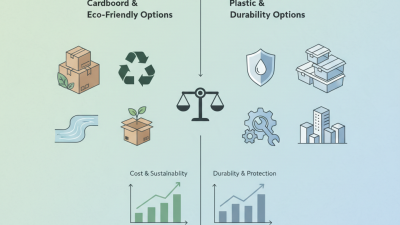
Plastic, cardboard, and aluminum are common materials. Each has its pros and cons. Plastic is lightweight and flexible, but may not provide the best barrier against air. Cardboard is eco-friendly, yet it may require additional layers for liquid protection. Aluminum offers durability but can be heavier, affecting shipping costs.
Design also plays a pivotal role. A spout design should ensure ease of pouring without spills. Think about how the package will be stored and displayed. A well-designed box can enhance user experience but may add to production costs. Reflecting on these aspects can help you choose the best option for your needs.
Assessing Volume and Size Requirements for Your Products
Selecting the right Bag In Box (BIB) packaging involves a keen assessment of your product's volume and size needs. According to industry reports, the global BIB market is projected to grow by over 10% annually, underscoring the rising demand for efficient packaging solutions. Understanding the dimensions of your product can help you determine the appropriate size of the BIB itself.
Ensure that the BIB can accommodate your liquid or semi-liquid product without waste. A BIB that is too large will lead to unnecessary material use and increased shipping costs. Conversely, a smaller package may compromise the product's integrity. Using a size guide to match your product's specifications can be invaluable in achieving the perfect fit.
Tip: Consider a trial run with different sizes to see which performs best. Monitor how each size affects your product's shelf life and customer feedback. Often, small adjustments can yield significant savings.
As you evaluate options, don’t forget to consider the total volume requirements. Overfilling can be a concern. An overly full bag can lead to spills during transportation, damaging your brand's reputation. Take the time to test your packaging in real-life scenarios. This reflection on volume requirements can provide insights into how well BIB works for your specific needs.
How to Choose the Best Bag In Box Packaging for Your Needs? - Assessing Volume and Size Requirements for Your Products
| Product Type |
Volume (Liters) |
Size (cm) |
Material Type |
Closure Type |
| Wine |
3 |
25 x 15 x 20 |
Plastic |
Tap |
| Juice |
5 |
28 x 18 x 25 |
Aluminium |
Screw Cap |
| Syrup |
1 |
20 x 10 x 15 |
Cardboard |
Plug |
| Cooking Oil |
10 |
30 x 20 x 30 |
Plastic |
Tap |
| Sauce |
2 |
22 x 12 x 18 |
Plastic |
Screw Cap |
Evaluating Cost-Effectiveness and Environmental Impact of Options
When choosing bag-in-box (BiB) packaging, evaluating cost-effectiveness and environmental impact is crucial. Research indicates that BiB systems can reduce packaging waste by up to 80% compared to traditional bottles. This is primarily due to their lightweight design and bulk shipping capabilities. Each BiB unit takes up less space, minimizing transportation costs and emissions. However, businesses must also consider the initial costs of high-quality BiB materials versus lower-cost options that might compromise durability.
Tips: Always assess the lifecycle of your packaging. Look for BiB materials that are recyclable or made from renewable resources. A life cycle assessment can provide insights into long-term sustainability.
Despite the benefits, not all BiB packaging options are created equal. Some materials may not offer adequate protection against oxygen and light, impacting product quality. Studies show that about 30% of packaging ends up as waste due to poor performance. Investing in reliable barrier technologies can mitigate these issues, ensuring product integrity while supporting sustainability goals. Evaluating suppliers' environmental commitments is also key.