How to Choose the Best Drinks Packaging for Your Products?
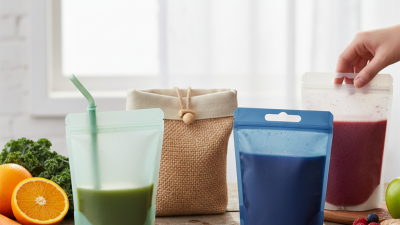
In today's competitive beverage market, selecting the right drinks packaging is crucial for product success. The right choice can enhance brand visibility and influence consumer decisions. Drinks packaging not only protects the beverage but also serves as a marketing tool. With a myriad of options available, the decision can feel overwhelming.
When assessing drinks packaging, consider material durability, design aesthetics, and sustainability. Each element plays a significant role in attracting customers. However, not every packaging solution is perfect. Sometimes it doesn’t resonate with the intended audience. A balance must be struck between innovation and functionality.
A thorough understanding of your product and target market is essential. Poor packaging can lead to negative customer experiences and loss of sales. Reflect on past decisions and learn from them. It's a process that demands attention to detail and an open mind to adapt. As you embark on this journey, remember that the best drinks packaging goes beyond mere appearance; it creates a memorable experience for consumers.
Understanding Your Product Type and Target Market
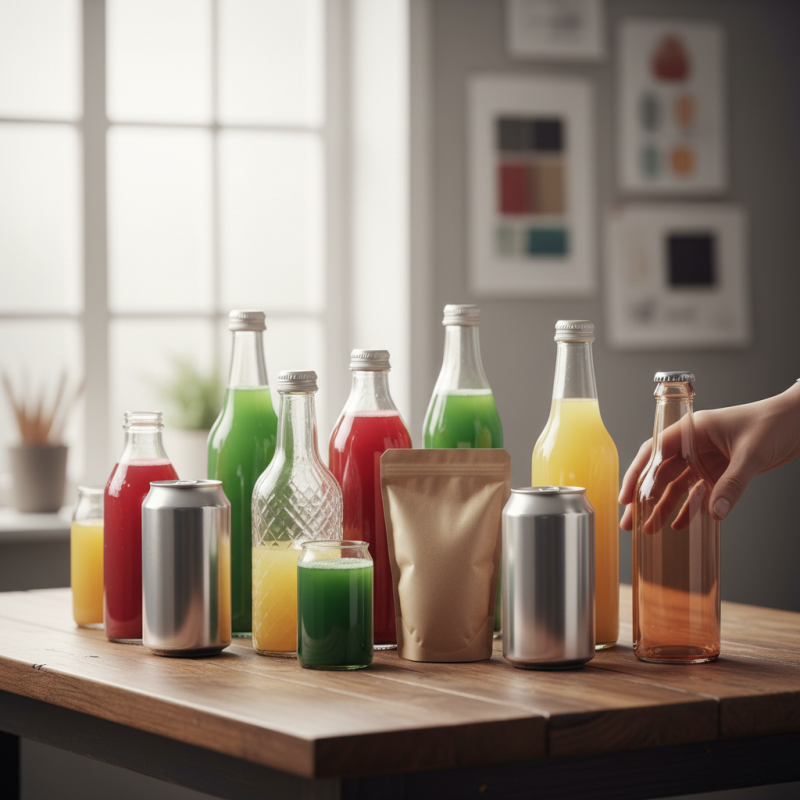
When selecting the right drinks packaging, understanding your product type is vital. A beverage like juices needs a different approach compared to carbonated drinks. Juices require materials that preserve freshness and flavor. Carbonated drinks, on the other hand, must contain packaging that can withstand pressure. Each category has specific needs that directly influence consumer perception and experience.
Target market understanding is equally crucial. Consider your audience's preferences and habits. Are they eco-conscious? If so, sustainable packaging might attract them. For health-conscious consumers, ease of opening and portion control can be appealing. Packaging that reflects the lifestyle choices of your target demographic can create a deeper connection with your product.
Packaging isn’t just a container; it conveys your brand’s story. An imperfect design may even spark curiosity. However, be careful; poor choices can lead to negative experiences. Consumers may reject your product over a simple packaging flaw. Reflecting on these aspects helps ensure your packaging choice resonates well with your intended audience.
How to Choose the Best Drinks Packaging for Your Products?
| Product Type |
Target Market |
Best Packaging Options |
Sustainability Considerations |
| Soft Drinks |
Teens and Young Adults |
Plastic Bottles, Cans |
Recyclable materials |
| Juices |
Health-Conscious Consumers |
Glass Bottles, Tetra Pak |
Bio-degradable options |
| Alcoholic Beverages |
Adults 21+ |
Glass Bottles, Kegs |
Recyclable glass |
| Energy Drinks |
Fitness Enthusiasts |
Cans, Plastic Bottles |
Recyclable materials |
| Flavored Water |
Health-Conscious Consumers |
Plastic Bottles, Glass Bottles |
Recyclable plastic |
Evaluating Different Packaging Materials and Their Benefits
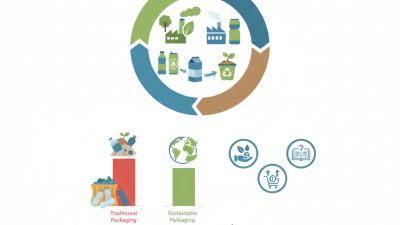
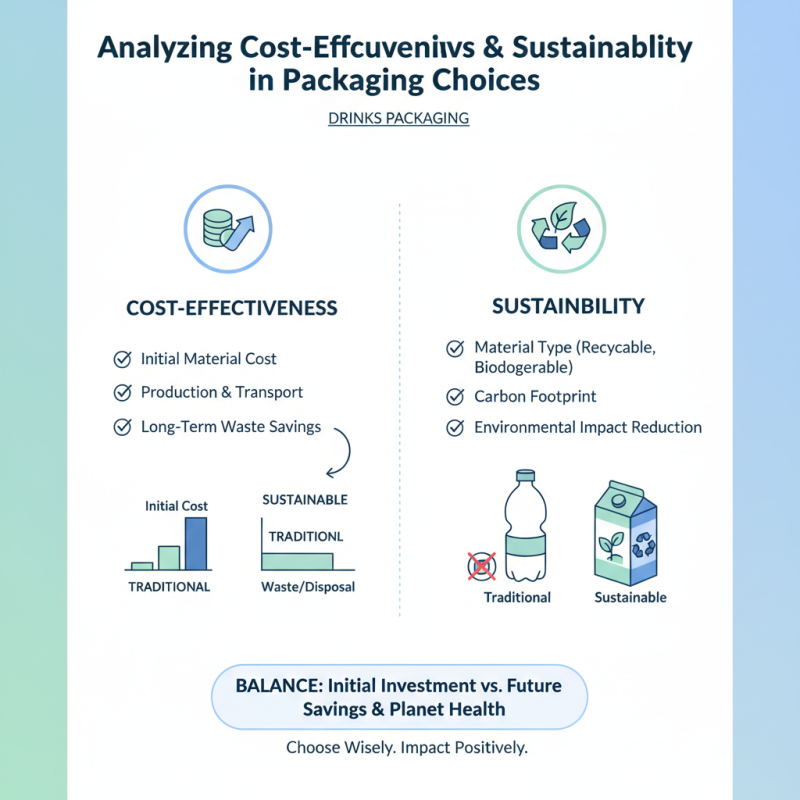
When selecting drinks packaging, it's vital to consider different materials and their advantages. Research indicates that over 60% of consumers prioritize sustainability in packaging choices. This shift has propelled businesses to explore eco-friendly options like glass, aluminum, and biodegradable materials. Each material has unique benefits that cater to various product needs.
Glass packaging offers excellent barrier properties, preserving flavor and freshness. While it is recyclable, its weight can increase transportation costs and carbon footprint. Aluminum, conversely, is lightweight and highly recyclable, reducing environmental impact. A recent report by the Aluminum Association noted that recycling aluminum saves 95% of the energy required to create new aluminum.
Biodegradable materials are gaining traction, especially for brands targeting eco-conscious consumers. They break down naturally in the environment, addressing plastic waste issues. However, their cost and limited durability compared to traditional options may pose challenges. Industry experts suggest balancing material benefits with product requirements to make informed decisions.
Considering Regulatory Compliance and Labeling Requirements
When designing drinks packaging, regulatory compliance and labeling requirements are crucial. Each region has specific laws governing food and beverage packaging. These regulations ensure consumer safety and product integrity. Brands must familiarize themselves with these rules to avoid costly penalties.
Consider the ingredients and claims on your label. Some statements may require scientific backing. Companies must also ensure that their packaging materials meet safety standards. For example, certain plastics may release harmful substances if not tested properly. Using clear, concise language helps consumers understand what they are purchasing.
Additionally, the aesthetic appeal of the packaging cannot overshadow legal requirements. Eye-catching designs will attract consumers. However, if the label lacks essential information, it could lead to confusion or misrepresentation. Reflecting on these aspects during the design process is essential. Balancing creativity with compliance is a challenge that must be carefully navigated.
Best Drinks Packaging Options: Popularity Among Products
This bar chart illustrates the popularity of different types of drinks packaging according to the percentage of products sold in each category. The insights can help businesses consider regulatory compliance and labeling requirements when choosing the best packaging for their drinks.
Exploring Innovations in Packaging Technology and Design
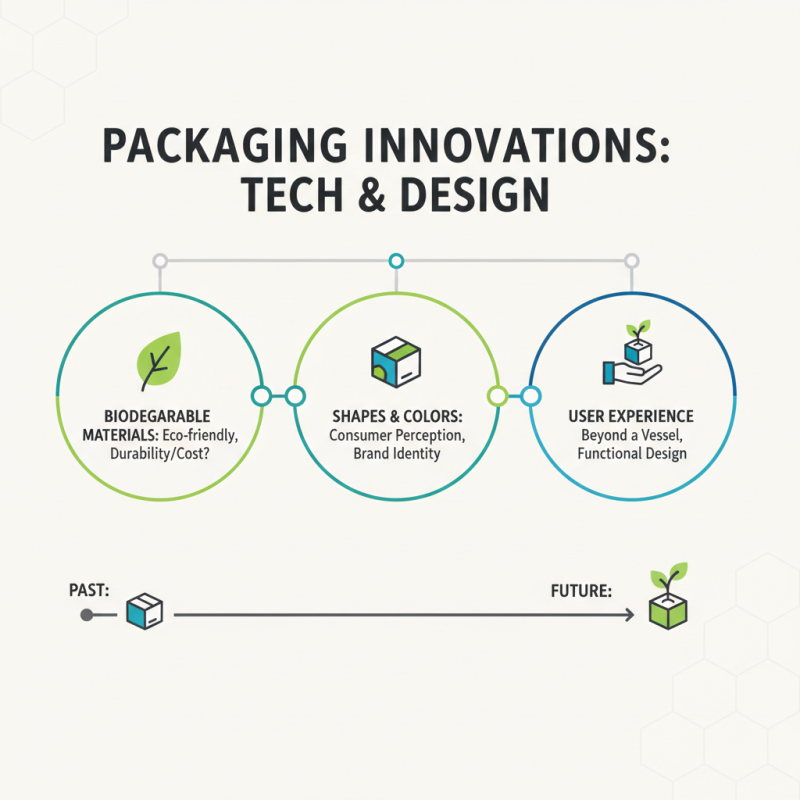
When exploring innovations in packaging technology and design, one must consider various elements that enhance user experience. Modern packaging does not only serve as a vessel; it defines the product's identity. Materials, shapes, and colors play crucial roles in consumer perception. For instance, biodegradable materials are gaining traction for their environmental benefits. However, their durability and cost-effectiveness still need assessment.
Tips: Research sustainable options thoroughly. Understand your target audience's preferences. Experiment with designs that resonate emotionally.
Innovation in design can create engaging experiences. Consider unique opening mechanisms or interactive packaging. This can make the unboxing process memorable. Yet, there's a fine line between creativity and functionality. Some designs may look stunning but may not serve their purpose well.
Tips: Always prototype before production. Gather feedback from potential customers. Ensure that aesthetics do not compromise usability. Balancing beauty and practicality is vital in modern packaging solutions.