How to Choose the Best Liquid Bags for Your Needs?
Choosing the right Liquid Bags can greatly impact various industries. As John Smith, a renowned expert in packaging solutions, once said, "Selecting the right Liquid Bags is crucial for optimizing efficiency." The market offers diverse options, each with unique features to meet specific needs.
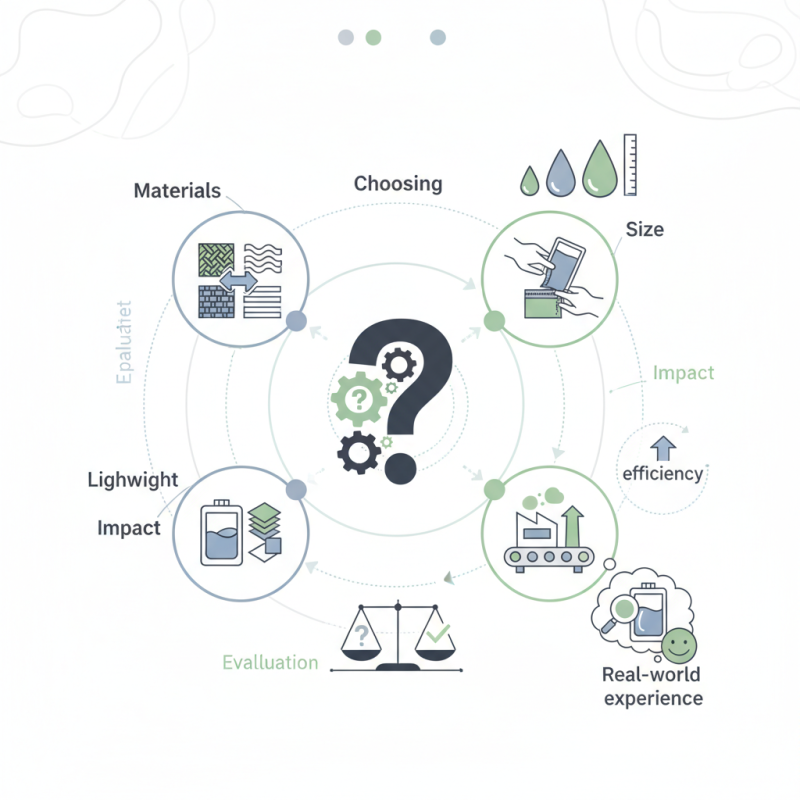
When considering Liquid Bags, one must evaluate materials, size, and sealing methods. For instance, a durable bag can prevent leaks, while a lightweight option may save on transportation costs. It’s essential to think about how the bag’s design affects usability. Small details can make a significant difference in performance.
However, it can be challenging to find the perfect fit. Sometimes, bags that seem ideal might not perform as expected in real-world conditions. Users must reflect on their actual experiences and needs. This ensures the selected Liquid Bags support their operational goals effectively. Balancing these factors will lead to better choices and successful outcomes.
Understanding Different Types of Liquid Bags Available in the Market
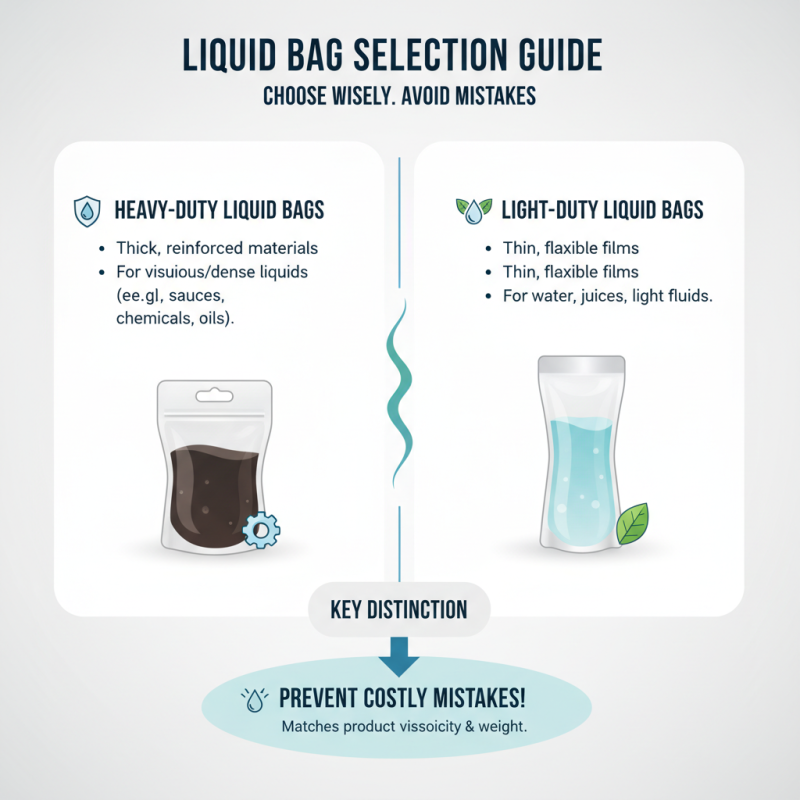
When selecting liquid bags, understanding the types available is crucial. There are multiple options suited for varying purposes. For example, some bags are designed for heavy-duty products, while others cater to lighter liquids. Knowledge of these distinctions can prevent costly mistakes.
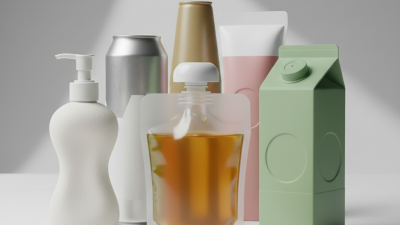
Flexible pouches are a popular choice. They are lightweight and easy to transport. Many users appreciate the space-saving design. However, some find them less durable. Rigid containers often provide better protection but can be bulkier. It’s essential to assess what you’ll be storing.
Consider the material as well. Some bags are made from polyethylene, while others use nylon. Each material has its advantages and limitations. Polyethylene is generally cheaper and more flexible. However, nylon tends to offer enhanced protection against punctures. Identifying your specific needs will guide you toward the best option.
Assessing Your Specific Use Case and Requirements for Liquid Bags
Choosing the right liquid bags relies heavily on your specific needs. Think about what you will store. Are you dealing with
food, chemicals, or something else? Each material has its own set of requirements.
Food-grade bags must comply with safety standards. Chemical bags need to resist degradation.
Consider the environment where these bags will be used. Will they be exposed to extreme temperatures?
UV light? Moisture? Each factor can affect the bag's integrity.
You might reflect on how long you need to store the liquids as well. Short-term storage may allow for some flexibility, but long-term storage demands more durability.
Tips: Always check for seals and closures. A poor seal can lead to leaks.
Think about the bag's capacity. You might want one that’s not too large, but not too small either.
Also, read user reviews. They often highlight issues you may not have considered, like puncture resistance or
ease of handling.
Evaluating Material Durability and Safety Standards of Liquid Bags
When selecting liquid bags, material durability is crucial. Opt for bags made from robust materials that resist punctures and tears. Common options include high-density polyethylene and polypropylene. These materials provide excellent strength for various liquids. Remember, not all bags are the same. Think about the specific liquid you will store.
Safety standards are paramount. Research if the bags meet regulations for food or hazardous materials. Sometimes, manufacturers provide certifications. Ensure these certifications align with your needs. Failing to check might lead to unexpected problems later.
Tips: Always test a small bag before bulk buying. This can save you money and ensure compatibility. Look for reviews about bag performance under stress. Assess customer feedback on durability. This step can reveal potential issues you might face. Consider how long you plan to store liquids, as this affects your choice. A bag's lifespan matters in the long run.
How to Choose the Best Liquid Bags for Your Needs? - Evaluating Material Durability and Safety Standards of Liquid Bags
| Material Type |
Durability Rating (1-10) |
Safety Standard Compliance |
Typical Applications |
| Polyethylene (PE) |
8 |
FDA Compliant |
Food and Beverage |
| Polypropylene (PP) |
9 |
FDA Compliant |
Chemical Handling |
| Vinyl (PVC) |
7 |
REACH Compliant |
Industrial Use |
| Nylon |
9 |
FDA Compliant |
Medical Kits |
| BPA-Free Plastics |
8 |
Non-Toxic |
Personal Care Products |
Considering Size, Capacity, and Compatibility for Liquid Bags
When selecting liquid bags, size is a critical factor. Think about what you'll store. Will you need small pouches for samples or larger bags for bulk? Each option has its own setup and storage requirements. A smaller bag is easier to handle, but does it meet your needs? Larger containers may feel cumbersome but offer more capacity.
Capacity is another essential consideration. Understand the volume you'll need. If you're transferring liquids, calculate the necessary amount carefully. Overestimating can lead to wasted space. Underestimating might force you to refill often. Check the measurements and ensure they fit your specs. It's important to balance the amount with practicality.
Compatibility with your intended use should never be overlooked. Different liquids may react differently with various materials. Some bags can handle acidic contents, while others can't. Look for materials that provide durability while avoiding wear and tear. Don't ignore the importance of seals. A weak seal can lead to leaks and accidents. Test a few options first to see what works best for your situation.
Exploring Cost-Effectiveness and Environmental Impact of Liquid Bags
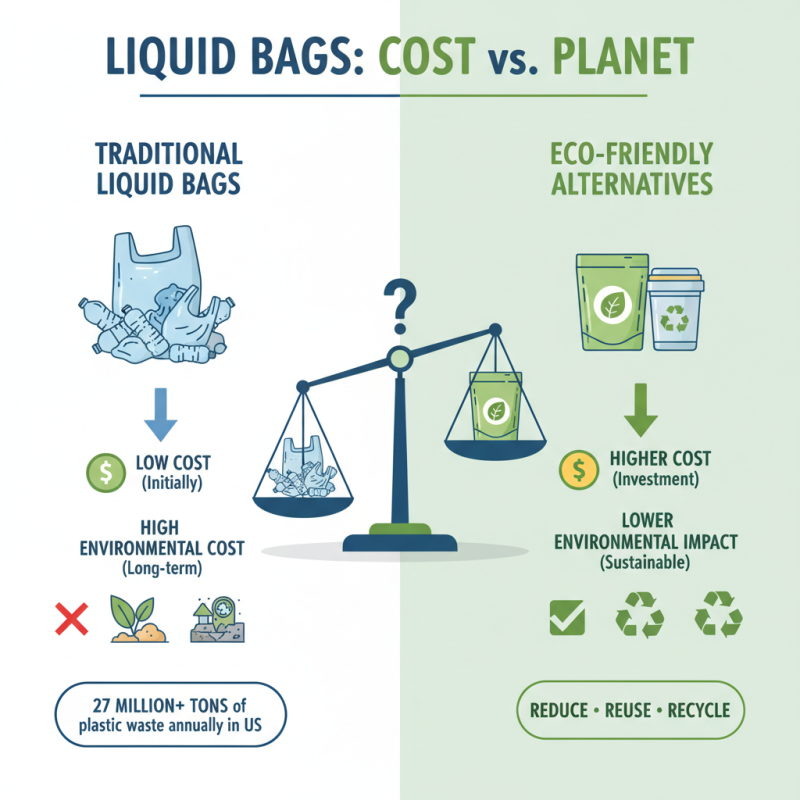
When selecting liquid bags, cost-effectiveness and environmental impact are crucial factors. A report from the Environmental Protection Agency shows that plastic waste accounts for over 27 million tons annually in the U.S. alone. Liquid bags, often made from single-use plastics, contribute significantly to this problem. While they may be cheaper, their long-term environmental cost is much higher.
Moreover, reusable options are gaining traction. A recent study found that switching to reusable liquid bags can reduce plastic waste by up to 75%. Despite the upfront costs being higher, the savings on disposables can add up significantly over time. However, many consumers hesitate. They often worry about the durability and integrity of reusable bags. This hesitation can lead to ongoing use of single-use bags, perpetuating the cycle of waste.
In areas where recycling systems are inefficient, many bags end up in landfills, taking centuries to decompose. The reality is daunting. A shift in consumer behavior is essential for reducing waste. Choosing wisely can mean the difference between contributing to the problem or being part of the solution. Balancing budget constraints with environmental impact requires thoughtful consideration.