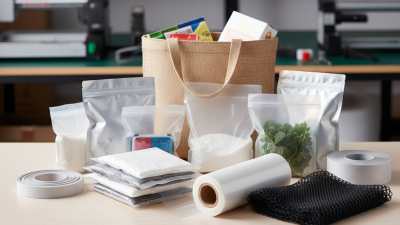
How to Choose the Best Container for Packing Your Items Efficiently
In the ever-evolving landscape of logistics and transportation, choosing the right container for packing your items efficiently remains a crucial task for businesses and individuals alike. According to a recent report by the International Organization for Standardization (ISO), improper packing can lead to a 30% increase in shipping costs, underscoring the importance of selecting the appropriate container for packing. Industry expert Dr. Jane Matthews, a leading authority on supply chain management, emphasizes that “the efficiency of packing directly influences not only cost but also the safety and integrity of the goods being shipped.”
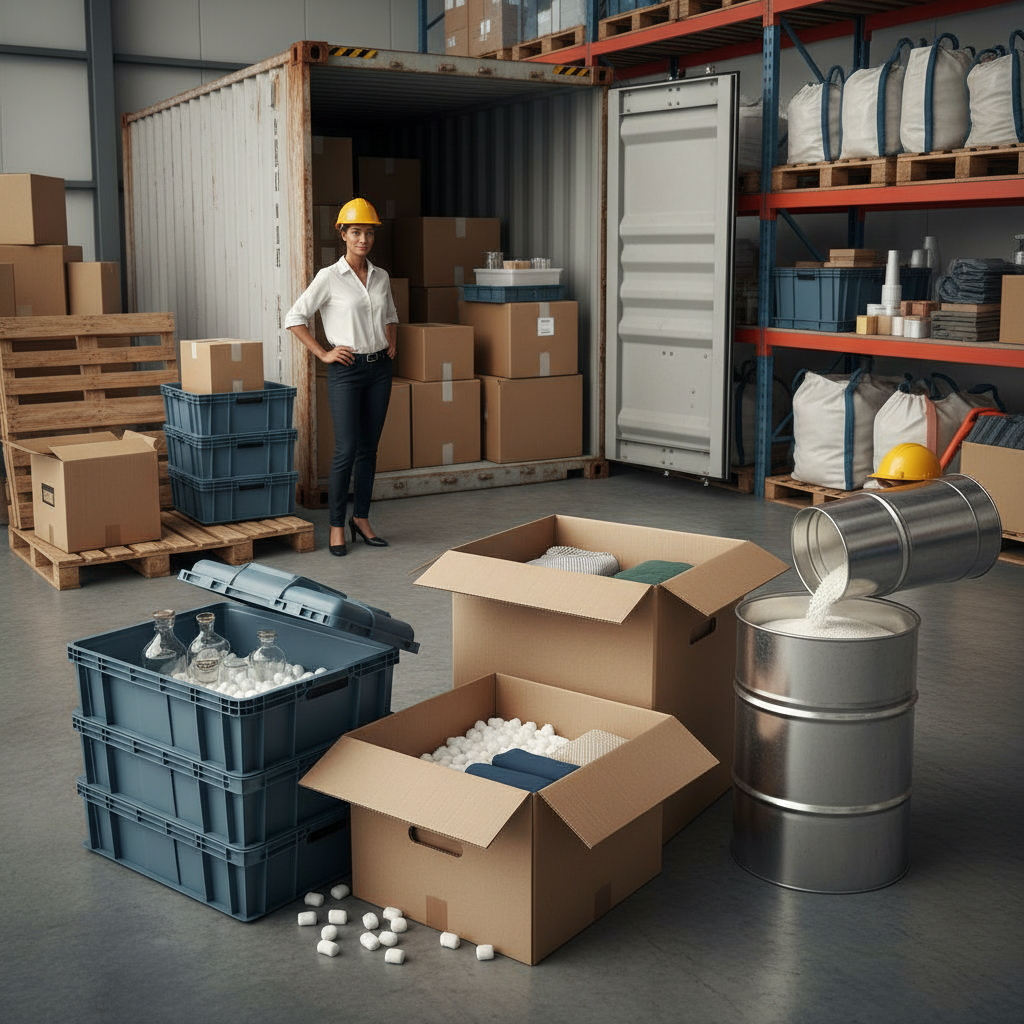
Recent trends indicate a growing demand for versatile and sustainable packing solutions, with a study from MarketsandMarkets predicting that the global container for packing market will reach $20 billion by 2025. This escalation highlights the necessity for informed decision-making in container selection processes. Whether you're packing fragile goods or bulk items, understanding the specifications, materials, and designs available in the container for packing domain is essential for optimizing your shipping experience. By making informed choices, you can significantly reduce damage rates, ensure timely deliveries, and ultimately improve customer satisfaction.
Factors to Consider When Selecting Packing Containers
When selecting packing containers, several key factors should be taken into account to ensure efficient and safe transportation of your items. First, the size and shape of the container are crucial. According to a report by the Environmental Protection Agency, using appropriately sized boxes can lead to a 20% reduction in packing materials used, promoting sustainability. It's essential to match the container to the item’s dimensions, as this minimizes movement and potential damage during transit.
Additionally, the material of the container plays a significant role in protecting the contents. A study by the International Corrugated Case Association found that corrugated boxes can withstand up to 200 pounds of weight, making them ideal for heavy or fragile items. Smaller, more lightweight materials might be suitable for basic household goods, but for valuable or delicate items, opting for sturdier options like reinforced boxes or specialty containers is advisable. By considering size, shape, and material, you can choose packing containers that ensure your items remain secure and intact throughout the moving process.
How to Choose the Best Container for Packing Your Items Efficiently - Factors to Consider When Selecting Packing Containers
| Container Type |
Ideal Use |
Material |
Weight Capacity |
Price Range |
| Cardboard Box |
General Home Moves |
Recycled Paper |
Up to 30 lbs |
$1 - $5 |
| Plastic Bin |
Long-Term Storage |
Polypropylene |
50 - 100 lbs |
$5 - $20 |
| Suitcase |
Travel |
Fabric/Polycarbonate |
Up to 60 lbs |
$30 - $200 |
| Bubble Mailer |
Shipping Small Items |
Paper with Bubble Wrap |
Up to 5 lbs |
$0.50 - $3 |
| Wooden Crate |
Heavy or Fragile Items |
Wood |
150+ lbs |
$20 - $100 |
Types of Packing Containers: Pros and Cons
When it comes to packing your items efficiently, the type of container you choose can significantly impact the process. One popular option is cardboard boxes. They are lightweight, relatively inexpensive, and come in various sizes, making them versatile for different items. However, cardboard boxes are not water-resistant and may compromise the safety of fragile items if not packaged carefully.
Plastic containers are another excellent choice for packing. They are durable and offer great protection against moisture and pests. Furthermore, their stackable design maximizes storage space. On the downside, plastic containers tend to be heavier and often more expensive than their cardboard counterparts. Additionally, they lack the flexibility of cardboard, making it difficult to fit them into irregular spaces. Understanding the pros and cons of these packing containers will help you make an informed decision tailored to your specific needs.
How Size and Shape Influence Packing Efficiency

When selecting a container for packing items efficiently, the size and shape play a critical role. The efficiency of packing is significantly influenced by how well the container’s dimensions match the items being packed. For instance, irregularly shaped objects might require customized containers to minimize wasted space and prevent damage during transit. This is similar to the advancements seen in battery design for electric vehicles, where innovative shapes enhance performance and compactness, showcasing the importance of design in optimizing utility.
Additionally, the trend towards smaller, more sustainable packaging reflects a broader push for efficiency and cost-effectiveness in various industries. Research on packaging design highlights that reducing the size of containers not only saves material but also optimizes shipping costs and minimizes environmental impact. Just as in the realm of semiconductor nanoparticles, where variances in size and shape affect their properties, the careful consideration of dimensions when choosing packing containers can lead to improved organization and accessibility of packed items. This approach not only aids in logistics but also contributes to a more sustainable future through mindful consumption of resources.
Eco-Friendly Container Options for Sustainable Packing
When selecting containers for packing, eco-friendly options play a crucial role in promoting sustainability. One excellent choice is recycled cardboard boxes, which not only provide sturdy protection for your items but also reduce waste by utilizing materials that would otherwise end up in landfills. These boxes come in various sizes, making them versatile for diverse packing needs. Additionally, biodegradable packing materials, such as corn-starch peanuts, can replace traditional styrofoam, ensuring that your packing efforts are kind to the planet.
Another sustainable alternative is reusable containers, like glass or silicone storage bins. Unlike single-use plastic, these durable options can be employed repeatedly, thus minimizing the overall environmental footprint. Moreover, cloth bags made from natural fibers such as cotton or jute can serve as both packing and carrying solutions while eliminating unnecessary waste. Opting for these eco-friendly containers not only supports a greener lifestyle but also encourages others to follow suit, fostering a culture of mindful packing and consumption.
Eco-Friendly Container Options for Sustainable Packing
Maximizing Space: Tips for Organizing Containers Effectively
When it comes to packing your items efficiently, organizing containers effectively is crucial for maximizing space. To start, opt for uniform containers that can stack easily on top of one another. This not only saves space but also makes it easier to find and access your items later. Choosing clear or labeled bins can further enhance your organization, allowing you to quickly identify what’s inside without rummaging through everything.
Another tip is to utilize vertical space by selecting containers that can be stored on shelves or in closets. Tall, narrow bins can fit into tight spaces and hold more items than traditional boxes. Also, consider the use of compartmentalized containers for smaller items. These allow you to group similar items together while still keeping everything organized and accessible. Make sure to fill any gaps with smaller items or packing materials to prevent movement and ensure stability, making the most out of every inch of your storage.