How to Choose the Right Box Material for Your Packaging Needs?
Choosing the right box material for your packaging needs is crucial for both functionality and aesthetics. The right material influences durability, cost, and brand perception. Box material can vary widely, from cardboard to plastic, each with unique properties and uses.
In the competitive market, knowing how to select the appropriate box material can elevate a product's appeal. For instance, eco-friendly options attract environmentally conscious consumers. Yet, these materials may sometimes compromise strength. Balancing sustainability with practicality is a complex task.
Understanding the specifics of box material is essential for effective packaging solutions. The choice involves analyzing the product's requirements and storage conditions. Sometimes, decisions lead to unforeseen challenges. It's important to be adaptable, reviewing the selection process regularly. A well-chosen box material not only protects the product but also enhances its marketability.
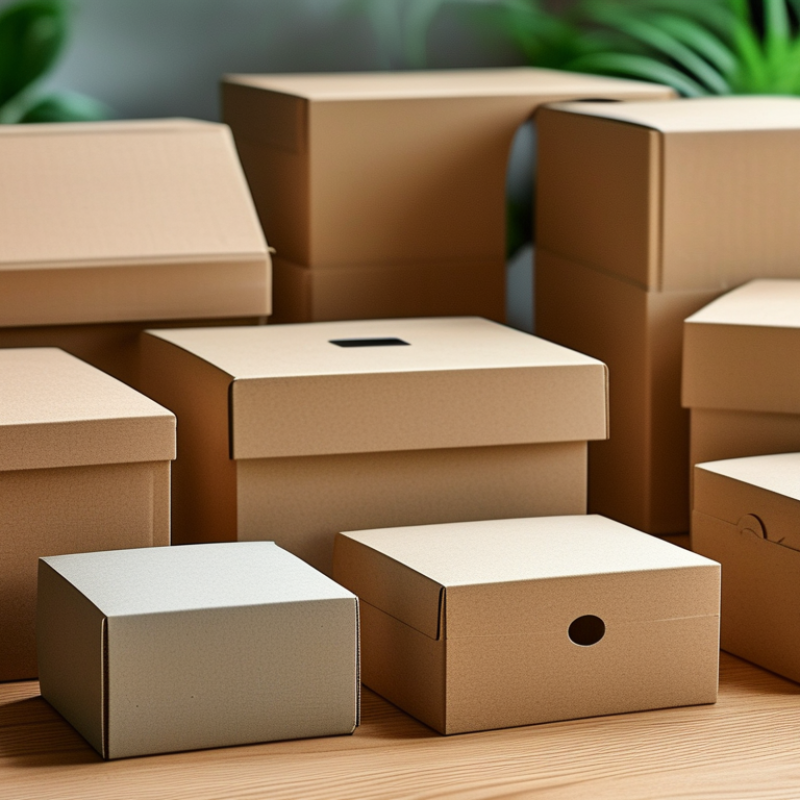
Factors to Consider When Choosing Box Materials for Packaging
Choosing the right box material is crucial for effective packaging. Several factors come into play when selecting materials. Durability is one key aspect. A strong material ensures your products remain secure during transit. Thick cardboard or corrugated options might be necessary for fragile items. Yet, heavier materials could increase shipping costs. Balancing strength and weight is essential.
Another important consideration is moisture resistance. Products exposed to humidity require materials that can withstand such conditions. Wax-coated or plastic-lined boxes can help in these scenarios. However, these materials may be less eco-friendly. Assessing your environmental impact is vital. Weigh the pros and cons of various materials before making a choice.
Cost and availability also influence decisions. Some materials are significantly cheaper than others. Look for suppliers that offer reliable options without sacrificing quality. It’s worth researching alternatives to find the best fit for your needs. Reflection on these factors can lead to better packaging solutions.
Comparing Common Box Materials: Cardboard, Plastic, and Metal
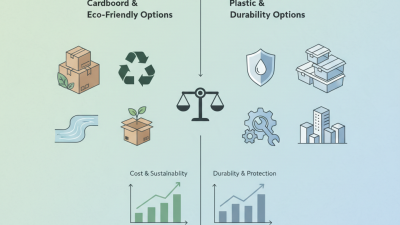
When selecting the right box material for packaging, understanding the differences between cardboard, plastic, and metal is crucial. Cardboard is lightweight and cost-effective. It's flexible and great for shipping items safely. However, it may not offer the durability needed for heavy loads or moisture resistance. If your products require additional protection, cardboard might not be the best choice.
Plastic boxes are versatile and resistant to moisture. They come in various shapes and sizes. However, they can be less eco-friendly than other materials. Many consumers are now concerned about environmental impact. Choose recyclable options when possible.
Metal boxes provide unparalleled strength and durability. They are ideal for heavy items or hazardous materials. However, they can be more expensive and heavier than the alternatives. Assess your budget and shipping methods carefully.
Tips: Always think about the durability you need. Evaluate the storage conditions of your products. Consider if the packaging material aligns with your brand values. Small details can sway customer perception significantly. Don't overlook these aspects when making your choice.
Understanding the Importance of Sustainability in Packaging Materials
Sustainability is now a crucial factor in choosing packaging materials. According to the 2022 Global Packaging Survey, 73% of consumers prefer eco-friendly packaging. This shift highlights the importance of sustainable materials in packaging decisions. Businesses that adopt sustainable practices can enhance their brand image and attract conscious consumers.
However, not all sustainable materials are created equal. For instance, biodegradable plastics may break down, but they can release harmful microplastics in the process. On the other hand, cardboard and paper are often recyclable and have lower environmental impacts. Choosing the right material requires a deep understanding of their life cycles and environmental footprints.
The 2023 Eco Packaging Report indicates that 50% of companies are still using non-eco-friendly materials. This indicates a shortfall in awareness or commitment. Companies should reassess their packaging strategies. Incorporating sustainable materials can lead to economic benefits, as it often reduces waste disposal costs. Hence, analyzing choices is essential for a more sustainable future.
Evaluating the Cost-Effectiveness of Different Packaging Options
When evaluating packaging options, cost-effectiveness is crucial. A well-chosen box material can save you money. Consider factors such as durability and shipping costs. A sturdy material might require a higher upfront investment but can prevent damage during transit. This can ultimately reduce overall expenses. Cheaper options may lead to losses from damaged products, affecting your bottom line.
Tips: Analyze your target market's preferences. Opt for materials that appeal to them. Lightweight options can cut shipping costs, making them appealing if you ship often. Test different materials on small batches before committing.
Don’t overlook recycling potential. Sustainable materials may have a higher initial price but are often favored by consumers. This could enhance your brand’s image and attract more customers. Reflect on your values; making eco-friendly choices can set you apart in a crowded market. Always seek feedback on packaging performance as it can reveal strengths and weaknesses you might have missed.
How to Choose the Right Box Material for Your Packaging Needs? - Evaluating the Cost-Effectiveness of Different Packaging Options
| Material Type |
Cost per Unit |
Durability (1-10) |
Weight (g) |
Recyclability (%) |
| Cardboard |
$0.50 |
8 |
350 |
90 |
| Plastic |
$0.80 |
7 |
250 |
30 |
| Wooden |
$1.50 |
9 |
800 |
50 |
| Metal |
$2.00 |
10 |
500 |
100 |
| Biodegradable |
$1.20 |
6 |
300 |
85 |
Identifying Specific Packaging Needs Based on Product Type and Shipping
Choosing the right box material for your packaging is crucial. Different products require different levels of protection. For fragile items, sturdy materials like corrugated cardboard or rigid boxes are essential. These materials can absorb shocks during transport. They ensure that delicate contents arrive in perfect condition.
For food products, safety is paramount. Food-grade packaging materials are required to avoid contamination. These materials should also offer moisture resistance. Consider the shipping conditions as well. If packages are exposed to high humidity, choose materials that hold up well.
Not all packaging needs are straightforward. Many products may not fit neatly into categories. For instance, electronic goods might need a combination of cushioning and anti-static features. Understanding your product's specific requirements can save time and resources. Reflecting on previous packaging experiences can help refine choices for future shipments.
How to Choose the Right Box Material for Your Packaging Needs?
This bar chart illustrates the popularity of different box materials used in packaging, highlighting their percentage usage based on product type and shipping requirements. Cardboard is the most popular material, followed by plastic and bubble wrap.