How to Efficiently Pack Packages for Shipping and Storage?
Packing packages efficiently is crucial for successful shipping and storage. Many people overlook the importance of packing techniques. A well-packed package can save time and reduce costs. Proper packing not only protects items but also ensures they arrive safely.
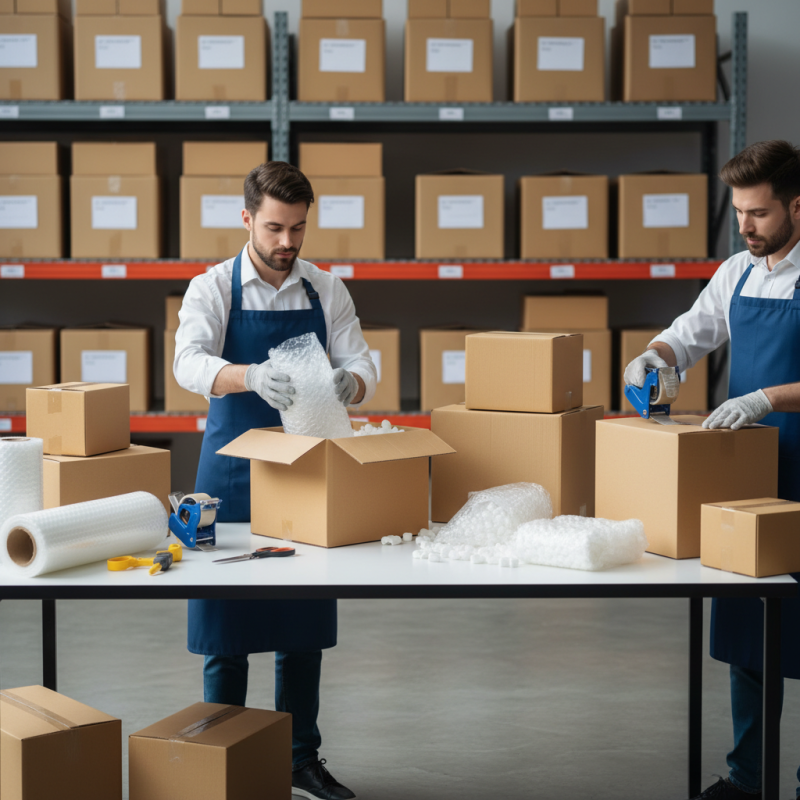
When packing packages, it's essential to choose appropriate materials. Use sturdy boxes and cushioning materials, like bubble wrap or packing peanuts. The right padding helps prevent damage during transit. Think about weight distribution when packing to avoid shifting. Labels and clear markings simplify handling.
However, packing packages can be a challenging task. We often rush and make mistakes. Sometimes we underestimate the space needed or overpack, leading to weight issues. Reflecting on packing methods can improve efficiency. By taking time to plan, we can master the art of packing packages.
Choosing the Right Packing Materials for Packages
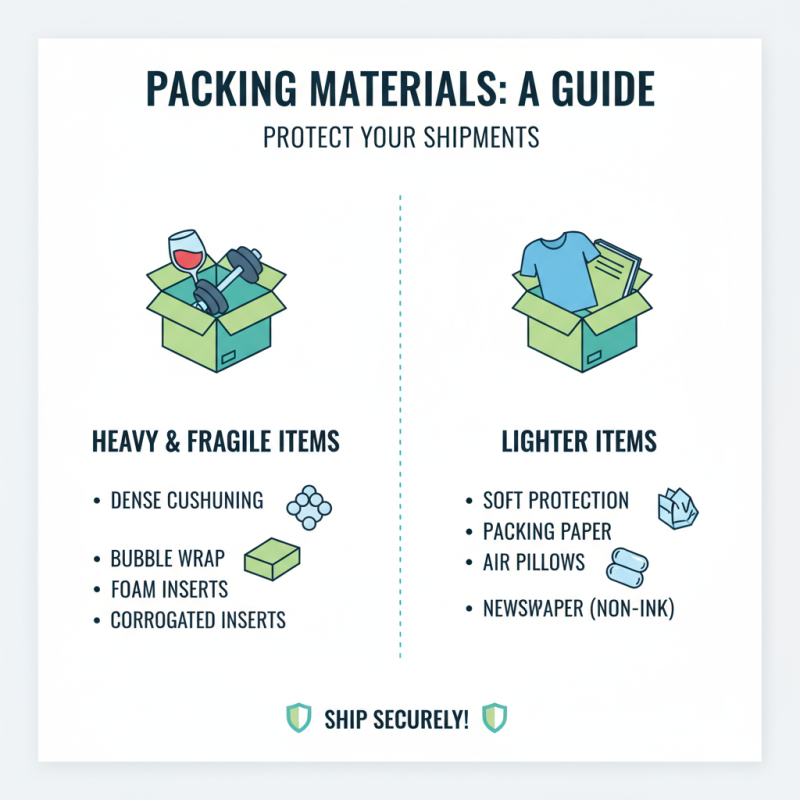
Choosing the right packing materials can significantly impact the safety of your packages. Start by assessing the type of items you are shipping. Heavy or fragile items require dense materials, while lighter items can use softer alternatives. Consider using bubble wrap, which cushions well. Alternatively, use packing paper for lighter protection.
It’s easy to underestimate the importance of cushioning. Insufficient padding may lead to damage during transit. Also, avoid using damaged boxes. A torn box weakens the package, making it more susceptible to mishaps. Invest time in selecting sturdy boxes that can withstand the rigors of shipping.
Layering materials is crucial. Place a layer of padding on the bottom of the box. Follow with the item, then cover it with more cushioning. This method helps absorb shocks. Ensure everything is snug yet not overly packed, as pressure can cause breakage. Rethink your approach if you often find items arriving damaged. Adjusting your packing materials can save time and costs in the long run.
Preparing Items for Shipping and Storage: A Step-by-Step Guide
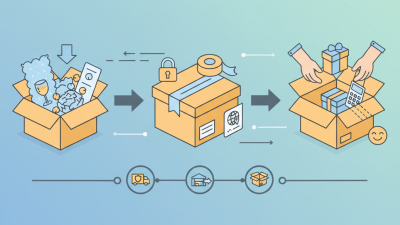
When preparing items for shipping and storage, organization is key. Begin by gathering all necessary materials. Use durable boxes, cushioning, and tape. Choosing the right box size is crucial. If a box is too large, items may shift during transport. If it’s too small, damage can occur. Always measure your items.
Next, pack items carefully. Wrap fragile items in bubble wrap. Ensure that they have ample cushioning on all sides. Use crumpled paper or foam peanuts to fill gaps. Heavier items should go at the bottom of the box. This prevents lighter items from being crushed. Don’t forget to label boxes clearly. This helps when you retrieve items later.
Reflect on your packing strategy. Often, people forget to consider the weight of boxes. They may overpack, making them difficult to lift. Take time to think about how you can improve. Experiment with packing techniques. Each shipment can teach valuable lessons. Efficient packing not only saves space but also enhances safety.
Techniques for Efficiently Packing Boxes and Containers
Packing boxes and containers efficiently can save both time and money. Start by choosing the right box size. A small box for lighter items prevents movement during transit. Choose larger boxes for bulkier items, but avoid overloading them. It can weaken the structure and cause damage.
Use padding materials wisely. Bubble wrap or packing paper works well for fragile items. Fill any empty spaces with crumpled paper or packing peanuts. This prevents shifting. Label each box clearly. Use large, readable fonts for easy identification. It helps you find things quickly later.
Don't forget about weight distribution. Place heavier items at the bottom of the box. Lighter items can go on top. This keeps the box stable. Reflect on your packing techniques. Sometimes, it takes a trial and error approach to find what works best. Learning from past mistakes leads to more efficient packing in the future.
Labeling and Documentation for Safe Shipping and Storage
Labeling plays a crucial role in efficient shipping and storage. A 2022 report from the Packaging Institute indicated that 35% of delivery issues stem from inadequate labeling. Clear labels help prevent delays and lost packages. Use waterproof and smudge-proof materials for your labels. Ensure that each label includes important details: recipient name, address, contact number, and package contents.
Documentation is equally essential. Keeping accurate records can help avoid disputes. According to a survey by the Logistics Association, firms that maintained thorough documentation had a 25% lower risk of shipment errors. Include invoices and packing slips in your shipments. This not only streamlines processing but also improves accountability.
Tips: Always double-check addresses. A single typo can lead to significant delays. Use color-coded labels for easy identification. It simplifies sorting in storage. Finally, consider using QR codes for quick access to package information. This could save both time and confusion. Strive to understand that even small mistakes can lead to big problems.
Shipping Package Efficiency by Method
Best Practices for Stacking and Storing Packed Items
Efficiently stacking and storing packed items is crucial for optimizing space and reducing costs. According to a report by the Warehousing Education and Research Council, proper stacking can increase storage density by up to 30%. Use sturdy pallets to begin with. They support better weight distribution and simplify the process of stacking boxes.
Pay attention to the weight of items. Heavier boxes should always go on the bottom, while lighter ones rest above. This helps maintain balance and prevents accidents. In a 2022 survey, 15% of logistics professionals highlighted improper stacking as a leading cause of product damage in warehouses. This underlines the need for careful planning.
Consider the layout of your storage space. Allocating specific areas for different items can speed up retrieval times. Group similar products together. This will make it easier to find what you need. However, some companies often overlook these details, leading to confusion and loss of time. Regularly reassess your system to ensure that it remains efficient and effective. Efficiency requires ongoing reflection and adjustment.
How to Efficiently Pack Packages for Shipping and Storage? - Best Practices for Stacking and Storing Packed Items
| Item Type |
Optimal Packing Material |
Recommended Dimensions (inches) |
Stacking Limit (Pounds) |
Storage Temperature |
| Books |
Bubble Wrap, Cardboard Boxes |
12 x 10 x 6 |
50 |
Room Temperature |
| Electronics |
Anti-static Foam, Bubble Wrap |
18 x 12 x 8 |
30 |
Cool and Dry |
| Clothing |
Plastic Bags, Cardboard Boxes |
14 x 10 x 2 |
20 |
Room Temperature |
| Fragile Items |
Styrofoam, Bubble Wrap |
16 x 12 x 12 |
20 |
Stable Environment |
| Toys |
Cardboard Boxes, Paper |
10 x 10 x 10 |
40 |
Room Temperature |