Essential Tips for Choosing Bag In Box Packaging Solutions?
In recent years, Bag In Box Packaging has gained significant traction in various industries, particularly for beverages and liquid products. Industry data shows that this packaging format accounts for a market share of over $8 billion globally. This growth is largely attributed to its sustainability, convenience, and cost-effectiveness. As noted by packaging expert Dr. Emily Hart, "Bag In Box Packaging is redefining how we think about storage and distribution of liquid products."
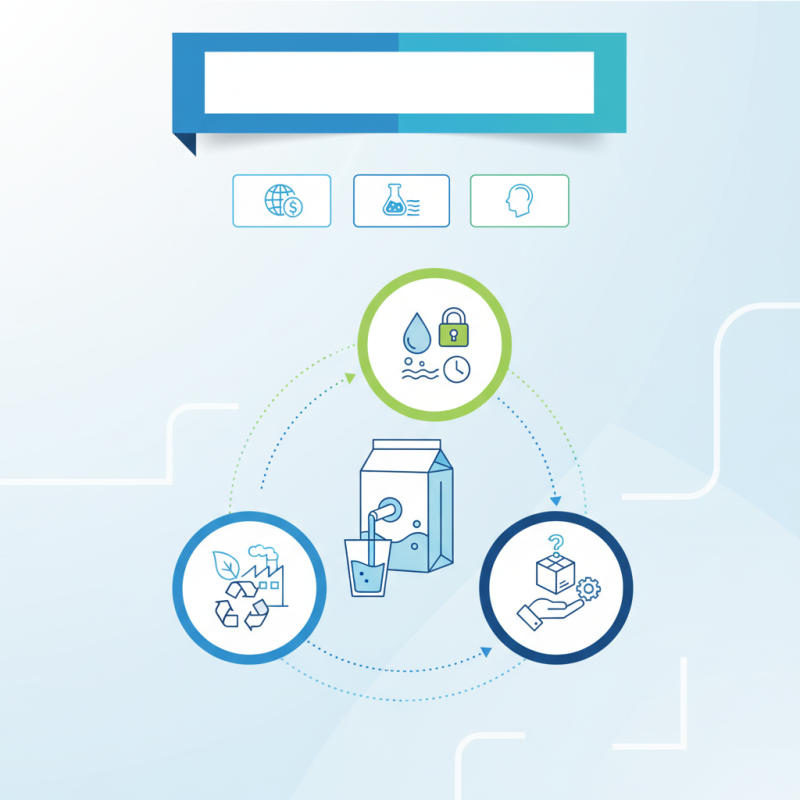
The appeal of Bag In Box Packaging lies in its ability to preserve product integrity while minimizing waste. It allows for easy pouring and efficient use of space during transport. Moreover, the materials used are often recyclable, aligning with the growing consumer demand for environmentally friendly options. However, not all Bag In Box options are created equal. Businesses must carefully consider factors such as material quality, fit for purpose, and user compatibility.
Engaging with experts in the field can provide valuable insights. Choosing the right Bag In Box solution requires a blend of understanding your product’s needs and the specific benefits each option offers. While the advantages are clear, there remains a learning curve for many companies transitioning to this innovative packaging format. Exploring those nuances can lead to better decisions and ultimately, better outcomes.
Understanding Bag In Box Packaging: An Overview
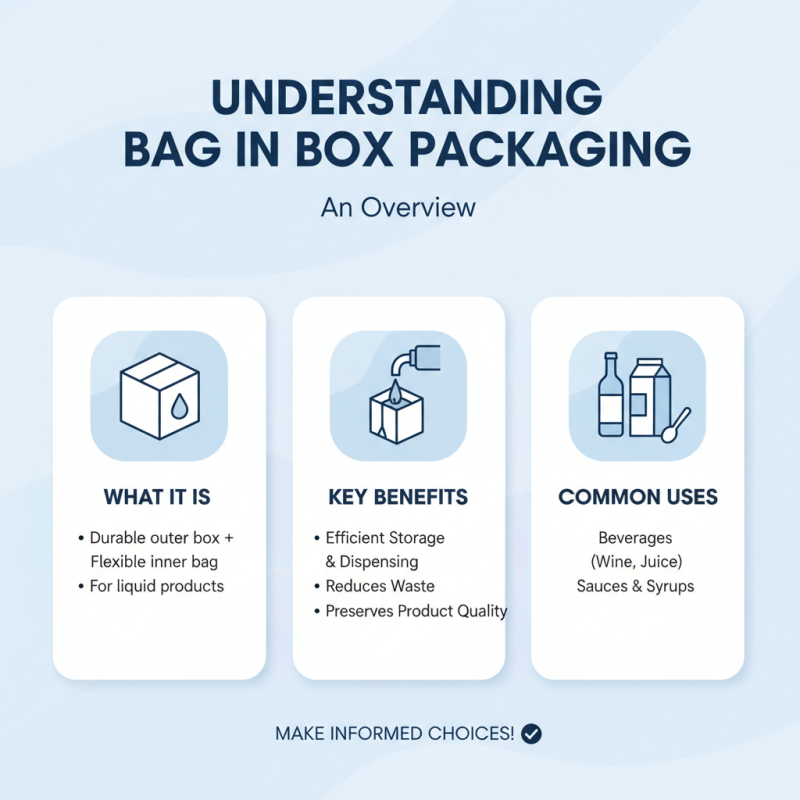
Bag in Box (BiB) packaging is an innovative solution for various liquid products. It combines a durable outer box with a flexible inner bag, providing efficient storage and dispensing. This method reduces waste and preserves product quality, making it popular for beverages and sauces. Understanding BiB packaging will help you make informed choices.
When selecting Bag in Box solutions, consider the material of the bag. Common options include polyethylene and foil. Each has unique benefits in barrier properties. These elements affect shelf life and flavor retention. Make sure to choose a material that suits your specific product needs.
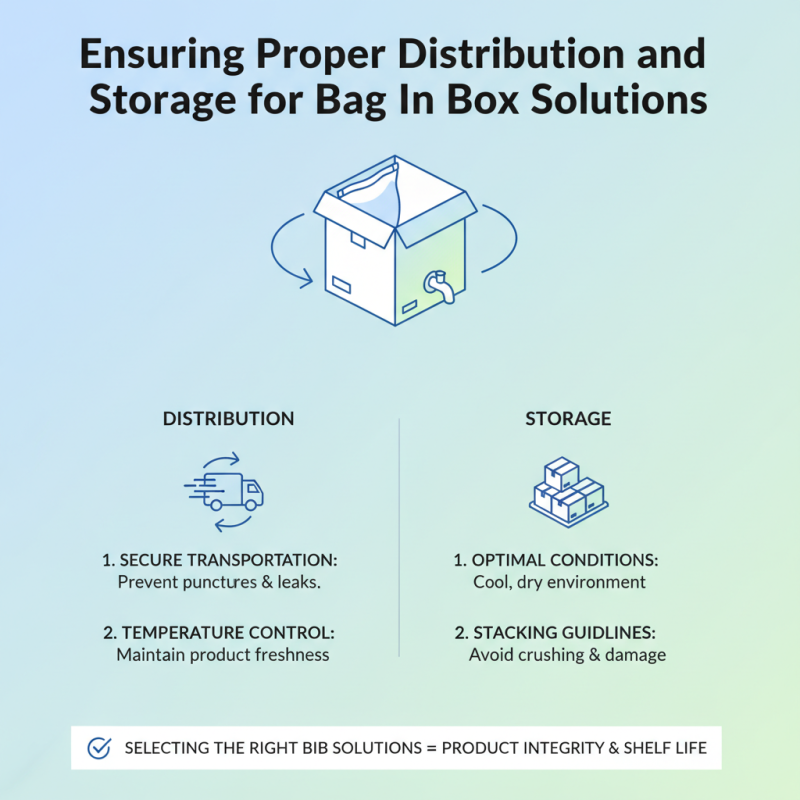
Another important factor is the size of the packaging. Bag in Box options come in various sizes, allowing flexibility for different quantities. Think about your target market and their purchasing habits. This will help you select the best size to meet consumer demands. Consider your product's distribution methods, as this can influence your choice of packaging system.
Key Factors to Consider When Selecting Bag In Box Materials
When selecting Bag In Box (BIB) materials, several key factors require careful consideration. One primary factor is the material's barrier properties. High-density polyethylene (HDPE) and other polymers are often chosen for their excellent barrier capabilities. A report from Smithers indicates that packaging material performance directly affects product freshness and longevity, which is crucial in the food and beverage sectors.
Another important criterion is the compatibility of the material with the product contained within. For example, wine and juice products may require different types of liners to prevent off-flavors or contamination. Research shows that up to 30% of product loss can occur from inadequate packaging choices. Clear communication with suppliers about product specifications can help avoid misalignment in material selection.
Cost is also a significant consideration. While premium materials might provide better protection and shelf life, they can stretch budget constraints. A balance must be struck between cost efficiency and performance. According to industry analytics, nearly 25% of companies felt their packaging did not optimize cost versus effectiveness. Brands should regularly revisit their material choices to enhance efficiency while meeting customer expectations.
Assessing Compatibility with Your Product: Bag In Box Best Practices
Choosing the right Bag In Box (BIB) packaging is crucial for product integrity. Each product has unique needs, so compatibility should be a priority. Consider the product’s temperature requirements. For example, cold beverages need better insulation. If your product is sensitive to light, opt for opaque materials. This choice can prevent spoilage and ensure a longer shelf life.
Another key factor is the amount of oxygen that can penetrate the packaging. Oxygen can cause oxidation, leading to flavor degradation. Make sure the BIB design minimizes oxygen exposure. Look into the seal quality as well. A poor seal can lead to leaks or contamination. Testing is essential here. Conduct trials to identify any inconsistencies in performance.
User feedback is also vital. Sometimes, the packaging that looks good may not perform well in real-world conditions. A focus group can provide insights on usability and appearance. Ensuring that the packaging maintains product quality throughout its lifecycle is critical. Don’t overlook the importance of sustainability. Eco-friendly materials are increasingly preferred in the marketplace. This aligns with consumer values while supporting environmental health.
Evaluating Cost-Effectiveness and Sustainability in Packaging Choices
When considering bag-in-box packaging solutions, evaluating cost-effectiveness and sustainability is crucial. According to a 2023 report by Smithers, the bag-in-box market is expected to grow at 5% annually. This growth indicates a shift towards efficient packaging that minimizes waste. However, cost is not just about the upfront investment. The total lifecycle cost—including production, transportation, and disposal—must be analyzed.
Sustainability plays a significant role in modern packaging choices. A study by Allied Market Research revealed that over 70% of consumers prefer eco-friendly packaging. Bag-in-box systems often use less material than traditional packaging, resulting in lower waste. This aspect enhances their appeal, especially for manufacturers aiming to reduce their carbon footprints. However, the reliance on single-use plastics remains a concern. Continuous innovation in materials is necessary to improve this situation.
While bag-in-box solutions offer many benefits, they also present challenges. Biodegradability is often lagging, with some materials taking years to decompose. Companies need to reassess material choices constantly. Sustainability must be a focus throughout the supply chain—not only in packaging but also in production and distribution practices. This comprehensive approach can aid in achieving balance between cost and environmental responsibility.