10 Essential Tips for Choosing the Right Specialized Boxes for Your Needs
When it comes to packaging solutions, choosing the right specialized boxes is crucial for ensuring the safety and integrity of your products. Whether you are shipping delicate items, storing valuable goods, or presenting gifts, specialized boxes can provide the necessary protection while also enhancing the overall presentation. With the vast array of options available, it can be overwhelming to discern which specialized boxes best suit your specific needs.
In this guide, we will explore ten essential tips that will help you navigate the selection process effectively. By considering factors such as material, size, and purpose, you can make informed decisions that not only safeguard your items but also optimize functionality and cost-effectiveness. Understanding the nuances of specialized boxes will empower you to choose wisely, ensuring that your packaging not only meets industry standards but also resonates with your brand’s identity and values. Let’s dive into the essential tips that will streamline your packaging choices and elevate your efficiency.
Understanding Different Types of Specialized Boxes for Various Applications
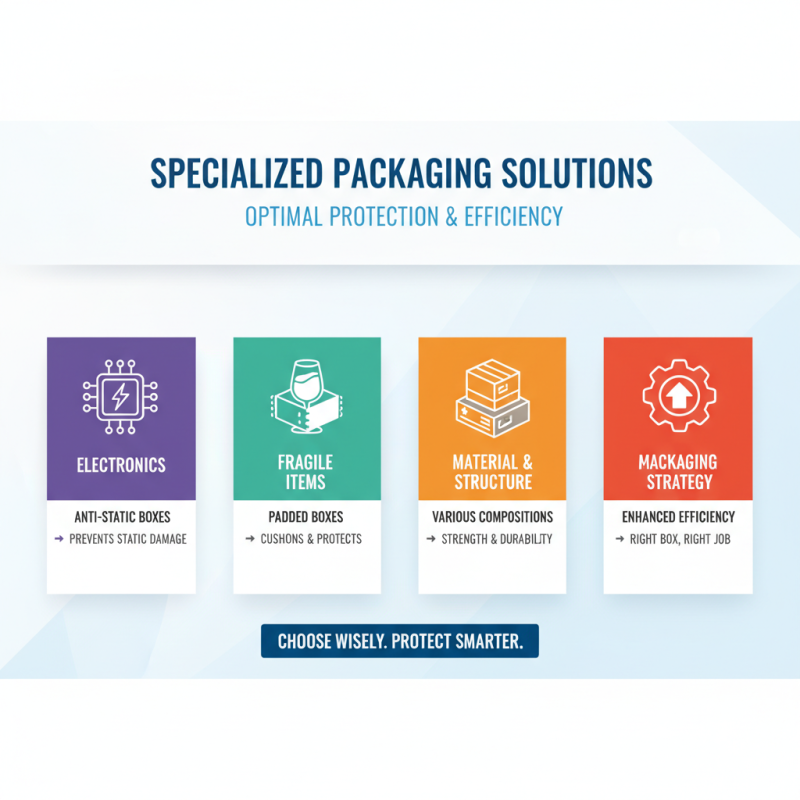
When selecting specialized boxes, it’s crucial to understand the various types available and their specific applications. Each type of box caters to different needs, ensuring optimal protection and efficiency for its contents. For instance, electronics often require anti-static boxes to prevent damage from static electricity, whereas fragile items such as glassware benefit from padded boxes that offer cushioning. Knowing the material composition and structural integrity of these boxes can greatly enhance your packaging strategy.
Moreover, specialized boxes vary in design and functionality. For medical supplies, temperature-controlled packaging may be necessary to maintain product integrity during transit. Custom-sized boxes are essential for shipping unique items securely, minimizing the risk of movement inside the box. Understanding the specific requirements of your items will aid in choosing the right type of box, ultimately supporting your operational efficiency and product safety. Each choice contributes to the larger goal of ensuring that your items are delivered in optimal condition, addressing both logistical and customer satisfaction concerns.
Assessing Material Durability and Environmental Impact in Box Selection
When selecting specialized boxes, it's crucial to evaluate the material's durability and environmental impact to ensure they meet your specific needs. A well-chosen box not only protects your items but also contributes to sustainability efforts. Look for materials that offer robustness, such as corrugated cardboard or high-density polyethylene, to safeguard your contents during transport and storage. Additionally, consider how long the material lasts and how it decomposes after use. Sustainable options, like recycled or biodegradable materials, reduce landfill waste and show responsibility towards the environment.
Tip: Always check for certifications that affirm a box's eco-friendliness, such as FSC or Green Seal. These certifications ensure that the materials used are sourced sustainably and that the manufacturing process minimally affects the environment.
Another important aspect to assess is the recycling potential of the boxes. Choosing materials that can be recycled easily encourages responsible disposal practices and lowers your carbon footprint. Opt for designs that facilitate reuse, thus extending the lifespan of the products.
Tip: When comparing options, prioritize packaging that employs minimalistic designs to reduce waste while maintaining the structural integrity required for safe transit.
Evaluating Size and Shape Specifications for Optimal Space Utilization
When it comes to selecting specialized boxes, evaluating size and shape specifications is crucial for optimal space utilization. The correct dimensions not only ensure that your items fit snugly but also enhance storage efficiency. Consider measuring the items you intend to store, and then choose boxes that accommodate those dimensions while leaving a bit of extra space to avoid cramming. Think about the overall design of the packaging as well; a box that aligns with the shape of your product can provide better protection and stability.
Another essential tip is to assess the intended storage environment. For example, if you’re storing these boxes in a closet, under a bed, or on a shelf, the available dimensions will influence your choice. Always visualize how many boxes can fit in a given space while considering ease of access and retrieval. Custom-fit boxes can also maximize space, as they are tailored to your specific needs, minimizing waste.
Lastly, don't overlook the importance of stackability. This can significantly impact how you utilize vertical space. Opt for boxes that can be easily stacked without risk of toppling over, thus ensuring a neat and organized setup. By focusing on size and shape, you can make a more informed decision that not only meets your storage needs but also enhances the overall functionality of your space.
10 Essential Tips for Choosing the Right Specialized Boxes for Your Needs - Evaluating Size and Shape Specifications for Optimal Space Utilization
| Tip Number |
Tip Description |
Recommended Size (LxWxH in cm) |
Ideal Shape |
Space Utilization (%) |
| 1 |
Assess the nature of your items. |
30x20x15 |
Rectangular |
85 |
| 2 |
Consider weight distribution. |
25x25x25 |
Square |
75 |
| 3 |
Evaluate stacking capabilities. |
40x30x20 |
Rectangular |
80 |
| 4 |
Prioritize accessibility. |
50x40x30 |
Rectangular |
90 |
| 5 |
Measure available storage space. |
60x40x40 |
Rectangular |
88 |
| 6 |
Look for boxes with dividers. |
35x25x20 |
Rectangular |
82 |
| 7 |
Choose materials suited for your items. |
45x35x30 |
Rectangular |
80 |
| 8 |
Consider humidity resistance if needed. |
20x20x20 |
Square |
70 |
| 9 |
Account for future needs and scalability. |
70x50x30 |
Rectangular |
85 |
| 10 |
Review and compare dimensions before purchasing. |
55x45x35 |
Rectangular |
90 |
Analyzing Cost Factors: Budgeting for Specialized Box Requirements
When it comes to selecting specialized boxes, understanding the cost factors is crucial for any organization or individual looking to meet specific requirements without overspending. According to a recent industry report by the Packaging Association, nearly 30% of companies underestimate the costs associated with packaging, leading to budget overruns. This can be avoided by thoroughly analyzing not only the initial purchase price of the boxes but also factors like material quality, production methods, and shipping logistics.
To stay within budget while ensuring you have the right boxes, consider these essential tips. First, accurately assess your specific needs—size, material, and durability. Custom boxes, while more expensive upfront, often save costs through reduced damage during transit and better protection for fragile items. A well-regarded study indicates that businesses can save up to 20% on shipping costs by opting for properly sized boxes that minimize wasted space.
Another cost consideration is supplier reliability. A trustworthy supplier can provide consistent quality, leading to fewer returns and complaints. As highlighted in a report from the National Packaging Federation, companies that invest in reliable suppliers typically see a 15% reduction in packaging-related issues over time. Balancing your budget while focusing on quality and supplier dependability is key to making informed choices for specialized boxes.
Cost Analysis of Specialized Boxes Based on Material Type
Understanding Shipping Regulations and Safety Standards for Packaging
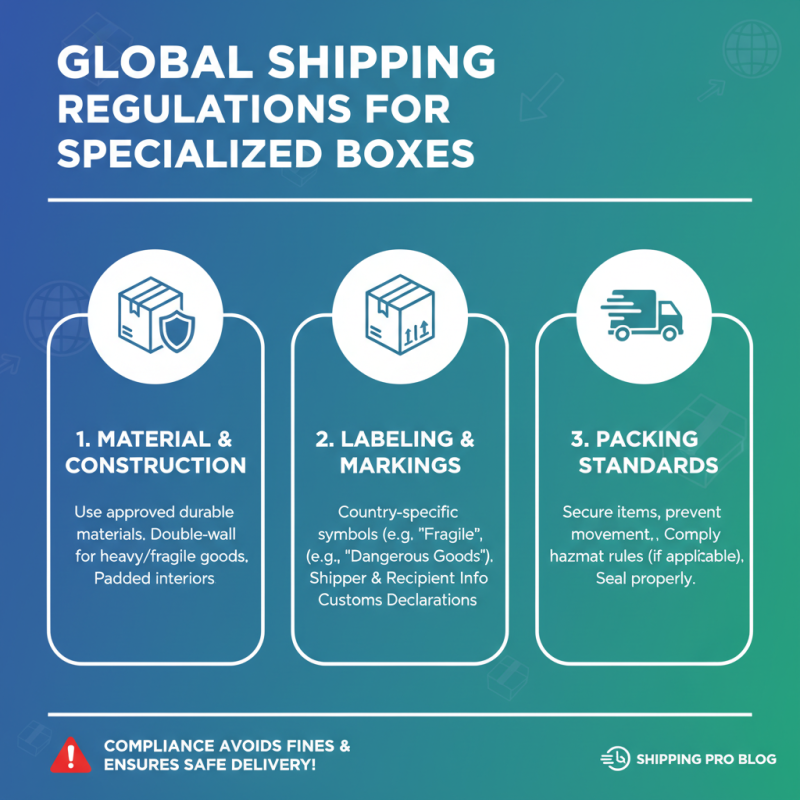
When selecting specialized boxes for your shipping needs, it's crucial to understand the shipping regulations and safety standards that govern packaging. Different regions and countries have specific requirements aimed at ensuring safety during transportation. These regulations can dictate the type of materials used, the labeling needed on the packages, and how items must be packed to minimize the risks of damage or hazards. Familiarizing yourself with these guidelines can help you avoid costly fines and ensure that your items reach their destinations safely.
To assist you in this process, one essential tip is to always check for any specific regulations related to your product type. For instance, fragile items may require reinforced packaging to comply with safety standards. Selecting boxes that meet these specifications will not only protect your goods but also facilitate smoother customs processing.
Another vital consideration is the proper labeling of your packages. Ensure that all necessary information is displayed clearly, including warning labels for hazardous materials if applicable. This not only helps with adherence to regulations but also safeguards those handling your shipments. Taking the time to follow these guidelines will enhance the safety of your products and contribute to a more efficient shipping experience.