Why Is Sustainable Drinks Packaging Important for the Environment?
Drinks packaging plays a crucial role in our environment. With rising concerns over climate change, the materials used in packaging are under scrutiny. Many traditional options contribute to pollution and waste. Each year, millions of plastic bottles end up in landfills. This crisis prompts us to reflect on our choices.
Sustainable drinks packaging aims to reduce this impact. It focuses on biodegradable materials, recycling, and responsible sourcing. Importantly, these solutions can often reflect a brand's commitment to the planet. However, not all brands implement best practices. Some still rely on non-sustainable options, raising questions about their environmental responsibility.
As consumers, we carry the power to demand change. Supporting brands that prioritize sustainable drinks packaging is essential. It creates a ripple effect, encouraging others to follow suit. However, awareness is just the first step. We must also educate ourselves about what truly qualifies as sustainable.
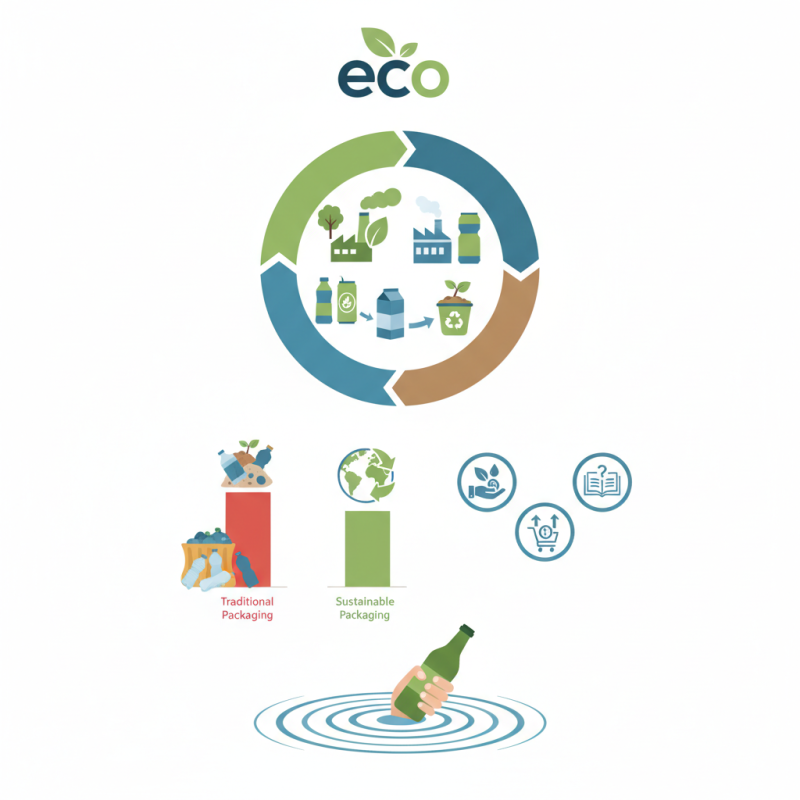
The Definition of Sustainable Drinks Packaging and Its Importance
Sustainable drinks packaging refers to using materials that minimize environmental impact. This can include biodegradable, recyclable, or compostable options. The growing concern over plastic pollution highlights the need for change. Every year, millions of tons of plastic end up in oceans and landfills. This harms wildlife and disrupts ecosystems.
Choosing sustainable packaging is crucial for reducing waste. Many traditional materials take centuries to decompose. In contrast, sustainable materials can break down much faster. This shift can significantly decrease our carbon footprint. However, the journey is not perfect. Some sustainable options still have a significant environmental cost and may not be available everywhere.
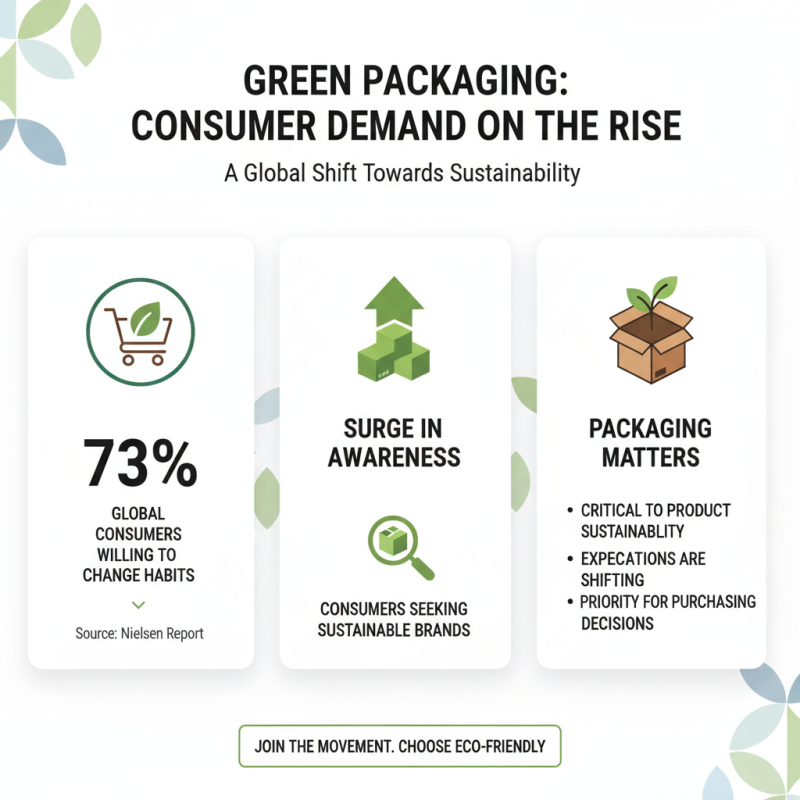
Consumer awareness plays a key role in this transition. It requires education about responsible choices. Not everyone understands how to properly recycle or compost. This gap leads to mistakes that waste potential. Encouraging better practices is essential for maximizing sustainability. Awareness can drive demand for innovative packaging solutions. As we rethink our consumption habits, every choice counts.
Environmental Impact of Traditional Drinks Packaging Solutions
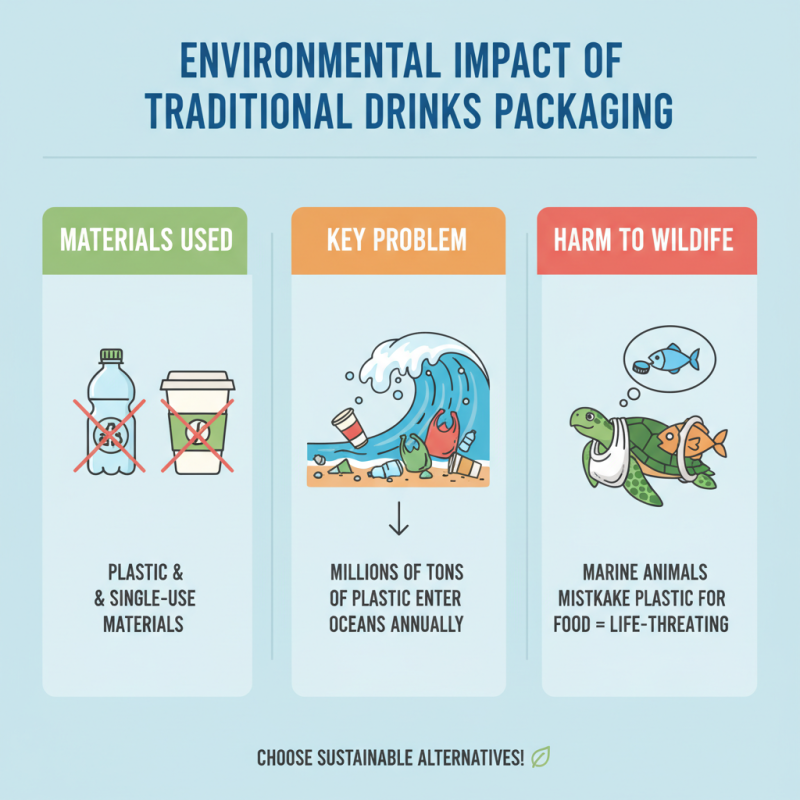
Traditional drinks packaging often relies on plastic and single-use materials. These choices have a significant environmental impact. For instance, millions of tons of plastic end up in oceans each year. Wildlife is harmed severely. Marine animals mistake plastic for food, leading to life-threatening situations.
Moreover, the production of conventional packaging generates substantial greenhouse gas emissions. The energy used in manufacturing can contribute to climate change. Recycling rates for plastics remain low in many regions, complicating the problem further. A system based on a throwaway mentality leads to waste and pollution. Even when broken down, plastics can linger in the environment for hundreds of years.
These challenges call for reflection. Are we doing enough? Sustainable alternatives can reduce waste and lower emissions. Materials like glass or biodegradable options offer a path forward. Consumers must recognize their crucial role in this shift. Awareness is the first step toward change.
Benefits of Using Sustainable Materials in Packaging
Sustainable drinks packaging plays a vital role in environmental protection. Using sustainable materials can significantly reduce waste. Traditional packaging often ends up in landfills, taking years to decompose. In contrast, biodegradable or recyclable packaging can break down more easily. This shift helps lower pollution levels and conserves natural resources.
Companies can choose materials like recycled paper, glass, or biodegradable plastics. These options not only reduce the carbon footprint but also promote a circular economy. For instance, using plant-based materials can cut down on fossil fuel use. However, some may argue that these sustainable options can be costly, which makes businesses hesitate. It’s crucial to weigh the long-term benefits against short-term expenses.
Tips:
- Choose packaging that can be reused or repurposed.
- Educate consumers on how to recycle properly.
- Highlight the ecological benefits of sustainable packaging in marketing materials.
- Encouraging customer involvement can foster a sense of responsibility.
As consumers, we too can demand better packaging practices. Thinking critically about our choices is necessary. Making small changes can lead to significant impact over time.
Future Trends in Sustainable Drinks Packaging Innovations
Sustainable drinks packaging is evolving. Innovations are driving the industry forward. Materials like biodegradable plastics and compostable options are gaining attention. They offer a way to reduce waste. This shift influences consumer choices and brand loyalties.
Smart technologies are also emerging. Packaging that monitors freshness is being developed. It reduces food waste. It’s not all perfect, though. Some biodegradable materials still require specific conditions to break down. This raises questions about disposal methods in different regions.
Recyclability is another hot topic. Many consumers are confused about what they can recycle. Brands must find simpler solutions. Clear labeling can help educate and inform. Additionally, reusable packaging systems are becoming popular. They promote sustainability but may struggle with widespread adoption. We must reflect on the benefits and challenges of these trends.
Why Is Sustainable Drinks Packaging Important for the Environment? - Future Trends in Sustainable Drinks Packaging Innovations
| Packaging Type |
Material Used |
Recyclability |
Biodegradable |
Carbon Footprint Reduction (%) |
| Glass Bottles |
Recycled Glass |
Yes |
No |
30% |
| Aluminum Cans |
Recycled Aluminum |
Yes |
No |
95% |
| Bio-based Plastic Bottles |
PLA (Polylactic Acid) |
Yes |
Yes |
25% |
| Cardboard Boxes |
Recycled Paper |
Yes |
Yes |
20% |
| Tetra Packs |
Composite Material |
Partially |
No |
15% |