What is Liquid Packaging and Its Benefits for Modern Products
In today's fast-paced consumer market, Liquid Packaging has emerged as a pivotal solution for delivering products in an efficient and visually appealing manner. This innovative approach not only caters to the practicality of transporting and storing liquid goods but also enhances the overall consumer experience. With the growing demand for convenience and sustainability, Liquid Packaging offers a variety of benefits that align with modern product delivery needs.
One of the key advantages of Liquid Packaging is its adaptability to various types of liquids, ranging from beverages to personal care products. This versatility allows manufacturers to create packaging that meets the specific requirements of their products while maintaining quality and freshness. Additionally, Liquid Packaging often utilizes eco-friendly materials and designs, aligning with the increasing consumer preference for sustainable options. By choosing Liquid Packaging, businesses can not only streamline their production processes but also appeal to a more environmentally conscious audience.
Moreover, the aesthetic appeal of Liquid Packaging can significantly influence purchasing decisions. The design qualities that accompany effective Liquid Packaging can elevate a product’s visibility on the shelf, creating a stronger brand presence and enticing consumers. As we delve deeper into the details of Liquid Packaging, it becomes evident that its benefits are not limited to functionality alone, but extend to sustainability and marketing potential, making it an essential component for modern product strategies.
What is Liquid Packaging?
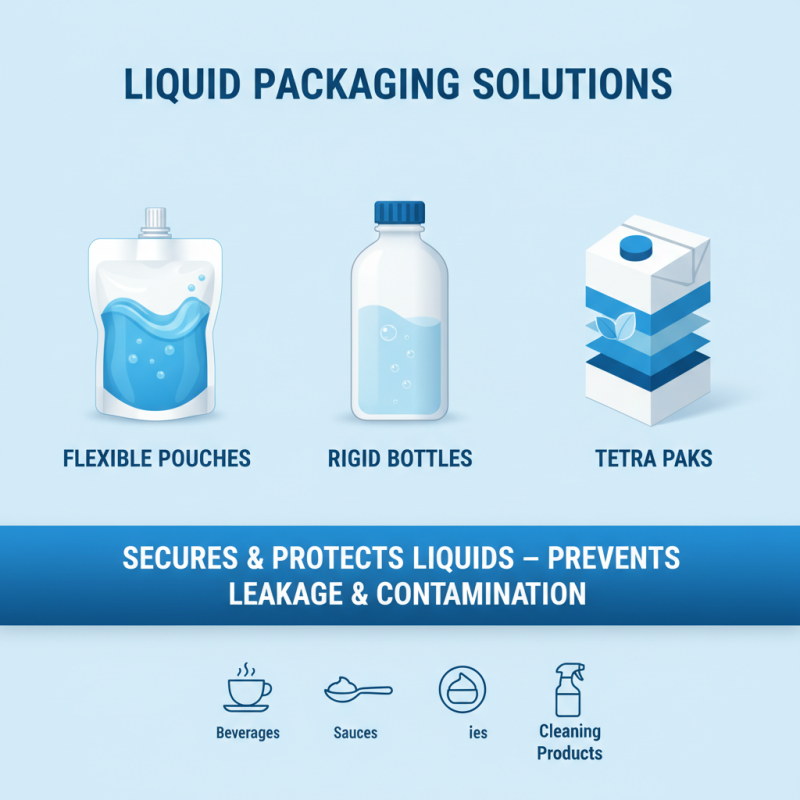
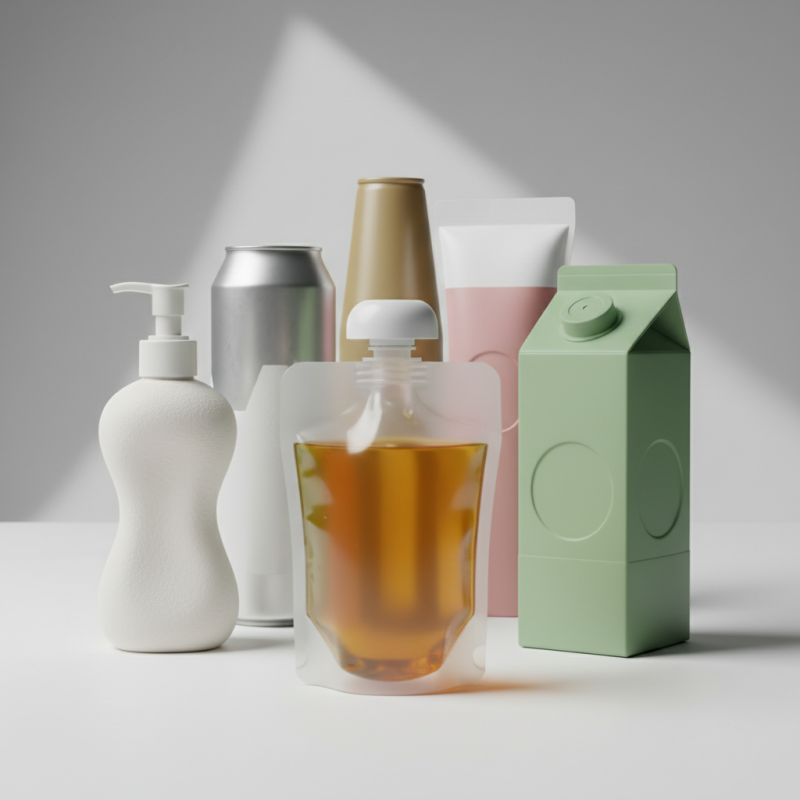
Liquid packaging refers to the specialized containment solutions designed to hold liquid products securely while maintaining their integrity and quality. This type of packaging encompasses a variety of materials and designs, including flexible pouches, rigid bottles, and tetra packs, which cater to different types of liquids ranging from beverages to sauces and cleaning products. The key characteristic of liquid packaging is its ability to prevent leakage and contamination, ensuring that the contents remain safe for consumption or use.
One of the primary benefits of liquid packaging is its capacity to preserve the freshness and extend the shelf life of the products inside. Advanced technologies such as vacuum sealing and inert gas flushing help minimize oxidation and bacterial growth, providing consumers with products that maintain their taste and effectiveness over time. Additionally, liquid packaging is often designed to be lightweight and space-efficient, making it easier for manufacturers to reduce shipping costs and minimize their environmental footprint. As sustainability becomes increasingly important, many liquid packaging solutions are also made from recyclable or biodegradable materials, aligning with the growing demand for eco-friendly products in the market.
Key Types of Liquid Packaging Solutions
Liquid packaging solutions have evolved significantly to meet the demands of modern consumer products. The key types of liquid packaging include bottles, pouches, cartons, and flexible bags, each offering unique advantages suited for various industries. For instance, glass and plastic bottles are prevalent in beverage packaging due to their protective qualities and ability to maintain product integrity. According to a report by Grand View Research, the global liquid packaging market is projected to reach USD 500 billion by 2025, driven by the growing demand for ready-to-drink products and the convenience offered by these packaging types.
Pouches, particularly stand-up varieties, have gained popularity in food and personal care sectors, thanks to their lightweight nature and durability. The flexible packaging segment accounted for over 30% of the total liquid packaging market share in 2022, showcasing a shift towards more sustainable and consumer-friendly options. Cartons, often used for dairy and juice, provide an eco-friendly alternative, as they are primarily made from renewable resources and can be recycled. The diverse range of liquid packaging solutions not only enhances product presentation but also contributes to extended shelf life, reduced waste, and improved logistics efficiency. These innovations reflect the industry’s commitment to sustainability and evolving consumer preferences in today's market.
Benefits of Liquid Packaging for Modern Products
Liquid packaging has become increasingly popular in recent years, providing a range of benefits that cater to the needs of modern products. According to a report by Smithers Pira, the global liquid packaging market is projected to reach $412 billion by 2024, growing at a CAGR of 4.1% from 2019. This growth reflects the rising demand for sustainable, efficient, and consumer-friendly packaging solutions. Liquid packaging often utilizes materials like flexible plastics, glass, and eco-friendly composites, which not only protect the product but also enhance its shelf life and reduce waste.
One of the most significant benefits of liquid packaging is its ability to extend the freshness and integrity of perishable goods. A study by the Food Packaging Research Group highlights that innovative liquid packaging technologies can reduce spoilage by up to 30%, providing consumers with longer-lasting products while minimizing food waste. Additionally, liquid packaging is designed to be lightweight and space-saving, leading to reduced transportation costs and lower carbon footprints. This aligns with the shifting consumer preference towards eco-conscious products, as companies seek to integrate sustainability into their brand values.
Moreover, the versatility of liquid packaging allows for innovative designs that enhance consumer convenience. Features such as resealable spouts and easy-pour formats cater to an on-the-go lifestyle, improving user experience. Research indicates that products with user-friendly packaging can see up to a 20% increase in sales compared to traditional designs. In summary, the benefits of liquid packaging—ranging from extended product life to enhanced consumer convenience—position it as a crucial component in the evolving landscape of modern product offerings.
Environmental Impact of Liquid Packaging
Liquid packaging has gained considerable attention in recent years due to its efficiency and versatility in preserving and transporting various products. However, as these packaging solutions become more prevalent, understanding their environmental impact is crucial. One of the primary concerns surrounding liquid packaging is the use of plastics, which, while effective in maintaining product freshness, significantly contributes to pollution and increases landfill waste. Many traditional liquid packaging materials are not biodegradable, leading to long-term environmental consequences.
In response to these concerns, the industry is increasingly turning towards sustainable alternatives. Innovations in liquid packaging design now focus on materials that are either recyclable or made from biodegradable substances. Additionally, the shift towards eco-friendly packaging is often accompanied by a reduction in the overall amount of packaging used, minimizing waste at the source. These advancements not only foster environmental responsibility but also appeal to a growing consumer base that values sustainability. Leveraging these eco-conscious practices can significantly mitigate the negative environmental impact associated with traditional liquid packaging, paving the way for a more sustainable future in product presentation and delivery.
What is Liquid Packaging and Its Benefits for Modern Products - Environmental Impact of Liquid Packaging
| Packaging Type |
Material |
Recyclability |
Environmental Impact |
Benefits |
| Flexible Pouches |
Plastic, Aluminum |
High |
Lower carbon footprint during production |
Lightweight, space-efficient |
| Glass Bottles |
Glass |
Very High |
Reusability and infinite recyclability |
Preserves flavor, premium feel |
| Tetra Pak Cartons |
Paper, Plastic, Aluminum |
Moderate |
Energy-efficient manufacturing |
Long shelf life, light |
| Plastic Bottles |
PET |
High |
Recycling challenges |
Convenient, lightweight |
| Canisters |
Aluminum, Plastic |
High |
Effective barrier to light and oxygen |
Durable, reduces spoilage |
Future Trends in Liquid Packaging Technology
The future of liquid packaging technology is poised for remarkable advancements as the demand for eco-friendly and efficient solutions continues to grow. Innovations such as flexible packaging and biodegradable materials are leading the way, allowing companies to reduce their environmental impact while maintaining product integrity. The emphasis is shifting towards creating packaging that not only preserves liquid products but also minimizes waste through designs that maximize recyclability and compostability.
As brands focus on sustainability, smart packaging is also emerging as a pivotal trend. These intelligent systems utilize integrated sensors and indicators to monitor the freshness and quality of liquid contents. Such advancements enhance consumer experience by ensuring transparency, allowing users to make informed choices about the products they consume. This technological integration fosters a more dynamic interaction between consumers and brands, paving the way for personalized offerings and improved supply chain management.
**Tip:** When designing liquid packaging, consider incorporating sustainable materials that reflect your brand's commitment to the environment. Utilize consumer feedback to continually refine your packaging solutions, ensuring they meet both functional and environmental goals. Additionally, stay informed about advancements in smart packaging technologies—they can significantly enhance brand loyalty and customer engagement by providing added value.
Future Trends in Liquid Packaging Technology