Top 10 Liquid Packaging Solutions for Eco-Friendly and Efficient Use
In the rapidly evolving domain of liquid packaging, the demand for innovative and sustainable solutions has never been more pronounced. Industry expert Dr. Amelia Hart, a leading figure in sustainable packaging research, emphasizes that “the future of liquid packaging hinges on our ability to combine efficiency with environmental responsibility.” As consumers increasingly seek eco-friendly alternatives, the packaging industry is challenged to redesign traditional approaches and embrace new technologies that minimize waste and enhance recyclability.
The quest for top-tier liquid packaging solutions is not just about functionality; it also plays a crucial role in reducing the environmental footprint of products. With a growing emphasis on sustainability, companies are exploring a myriad of options—from biodegradable materials to advanced designs that reduce material usage. This exploration is essential for creating packaging that not only meets the needs of manufacturers and consumers but also aligns with broader environmental goals.
In this article, we delve into the top 10 liquid packaging solutions that stand out for their eco-friendly features and operational efficiency. As we navigate the intricacies of the liquid packaging industry, we highlight the innovative practices and technologies paving the way for a greener future, ensuring that both products and planet can thrive together.
Top 10 Eco-Friendly Liquid Packaging Solutions for Sustainable Consumption
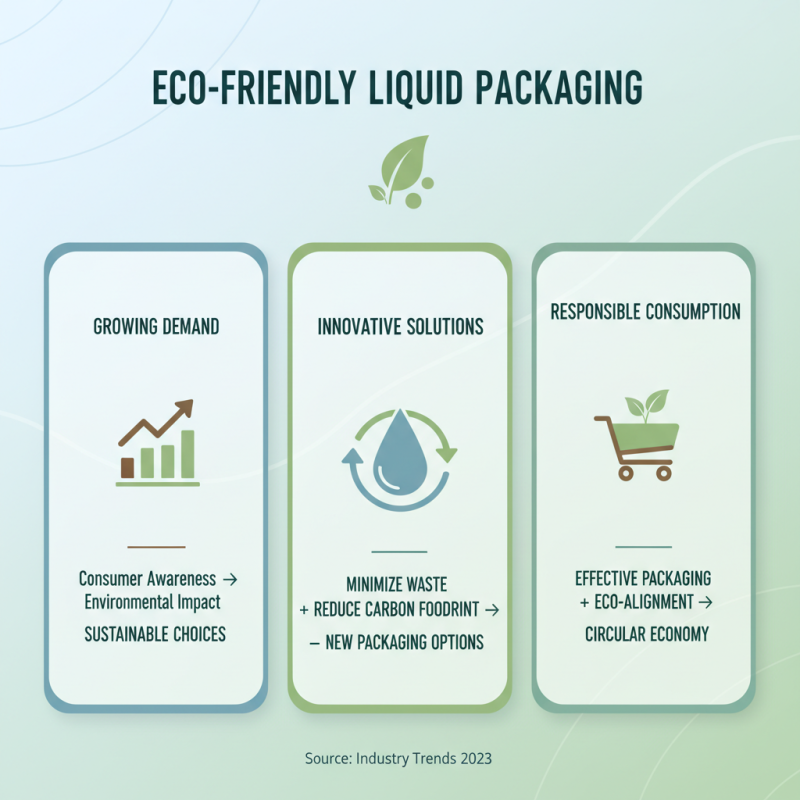
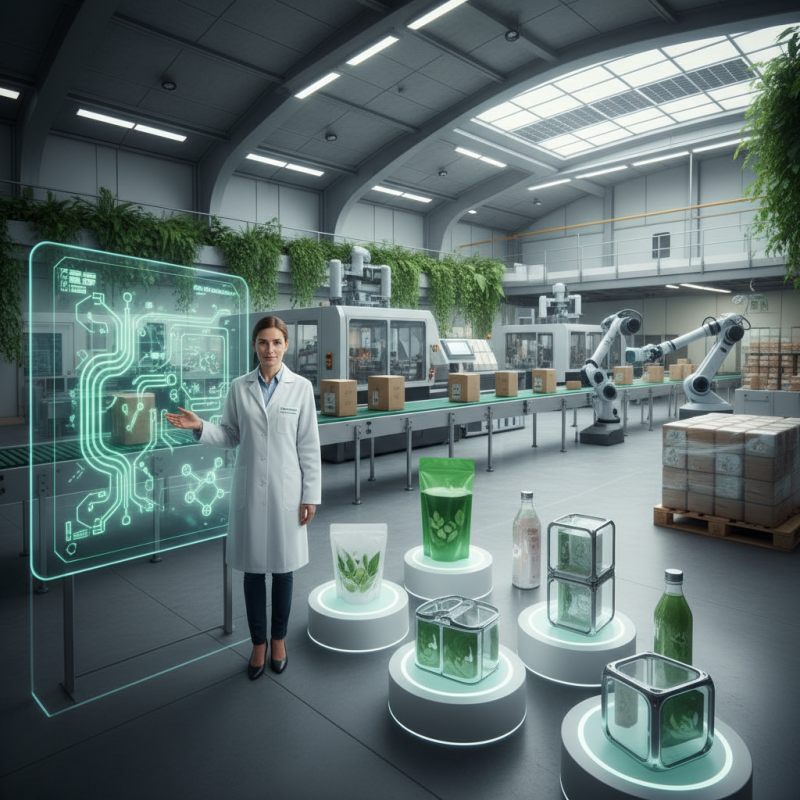
In recent years, the demand for eco-friendly liquid packaging solutions has increased as consumers become more conscious of their environmental impact. The focus on sustainable consumption has led to the emergence of innovative packaging options designed to minimize waste and reduce the carbon footprint. These solutions not only fulfill the need for effective packaging but also align with the growing trend towards more responsible consumption practices.
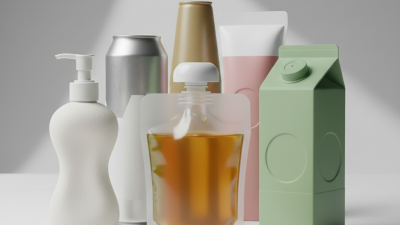
One effective approach to sustainable packaging is the use of biodegradable materials. These packaging options are made from natural substances that break down easily in the environment, making them a much more eco-friendly alternative to traditional plastic. Additionally, refillable containers are gaining popularity as they encourage consumers to reuse rather than throw away, significantly reducing waste. For instance, designed systems allow customers to refill their containers at designated stations, offering convenience while promoting sustainability.
Tips for adopting eco-friendly liquid packaging include assessing your current packaging materials and exploring alternatives that prioritize the planet. Educating yourself and your team about the benefits of sustainable options can foster a culture of environmental responsibility in your organization. Lastly, consider collaborating with suppliers who emphasize sustainability in their production processes, ensuring that your entire supply chain supports sustainable consumption initiatives.
Innovative Materials Driving Efficiency in Liquid Packaging Design
Innovative materials are at the forefront of enhancing efficiency in liquid packaging design, aligning with the growing demand for eco-friendly solutions. According to a recent market research report, the global liquid packaging market is projected to reach a value of USD 410 billion by 2026, growing at a CAGR of 4.5% from 2021 to 2026. This growth is driven in part by the increasing preference for sustainable packaging options. Innovative materials such as plant-based plastics, biodegradable films, and advanced corrugated materials are being explored to create packaging that not only protects the product but also minimizes environmental impact.
In addition to sustainable materials, advancements in design technologies significantly contribute to efficiency in liquid packaging. For instance, the integration of smart packaging technologies, such as QR codes and NFC chips, allows consumers to access product information easily while enabling producers to monitor product performance in real-time. A study by Smithers Pira predicts that the smart packaging market will grow to USD 45 billion by 2025, highlighting a pivotal shift in consumer preferences toward transparency and sustainability. These innovations play a crucial role in reducing waste and improving the overall lifecycle of packaging, reinforcing the trend toward eco-conscious practices in the liquid packaging industry.
Top 10 Liquid Packaging Solutions for Eco-Friendly and Efficient Use
| Packaging Type |
Material |
Recyclability |
Efficiency Rating |
Environmental Impact |
| Tetra Pak |
Carton (Paper-Plastic-Aluminum) |
Highly Recyclable |
95% |
Low CO2 Emissions |
| Glass Bottle |
Recycled Glass |
100% Recyclable |
90% |
Minimal Plastic Waste |
| Aluminium Can |
Aluminium |
Infinite Recycling |
85% |
Considered Eco-Friendly |
| Bioplastics Pouch |
Plant-Based Plastics |
Partially Biodegradable |
75% |
Low Carbon Footprint |
| Kraft Paper Bag |
Recycled Paper |
100% Recyclable |
80% |
Biodegradable |
| Flexible Film |
Bio-based Film |
Partially Recyclable |
70% |
Lower Plastics Impact |
| Carton Bottle |
Plant-based Carton |
High Recyclability |
90% |
Renewable Material |
| Sustainable Tetra |
Paperboard |
Fully Recyclable |
88% |
Low Environmental Impact |
| Silicone Pouch |
Silicone |
Reusable |
78% |
Durable with Low Waste |
| Compostable Wraps |
Plant-derived Materials |
100% Compostable |
82% |
Zero Plastic Waste |
Comparative Analysis of Biodegradable vs. Traditional Liquid Packaging
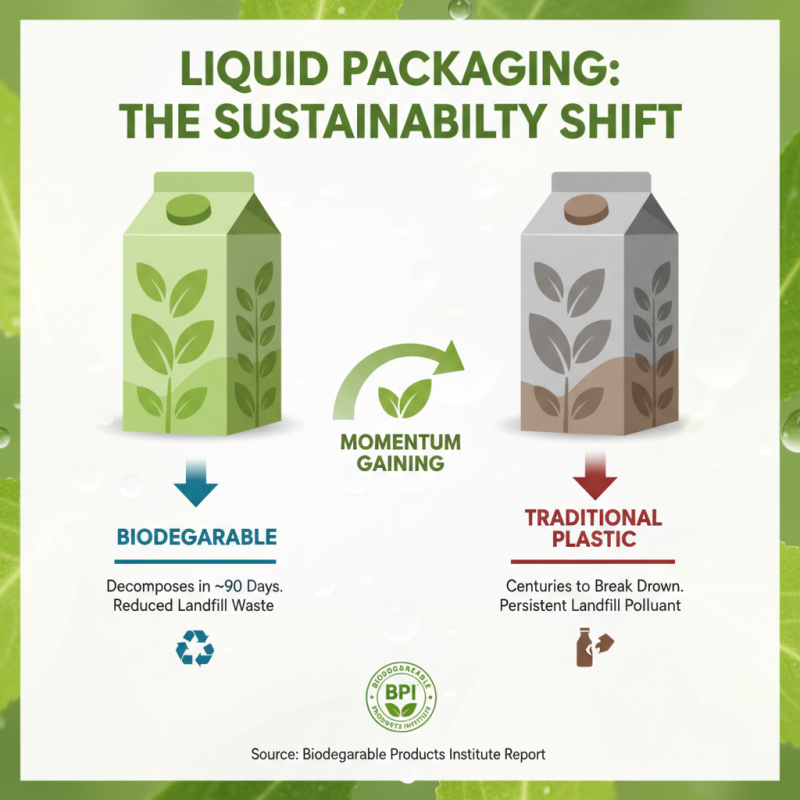
The shift towards sustainable packaging solutions has gained tremendous momentum, especially in the liquid packaging sector. A comparative analysis of biodegradable versus traditional liquid packaging sheds light on the varying environmental impacts of these two approaches. According to a report by the Biodegradable Products Institute, biodegradable materials can decompose in as little as 90 days under optimal conditions, significantly reducing landfill waste compared to traditional petroleum-based plastics, which can take centuries to break down.
Furthermore, a 2022 study from the Ellen MacArthur Foundation highlights that traditional liquid packaging solutions contribute approximately 30% of the global plastic waste, urging industries to consider eco-friendly alternatives. Biodegradable options often utilize renewable resources, which not only minimize carbon footprints but also support a circular economy. As consumers become increasingly environmentally conscious, manufacturers are recognizing the importance of transitioning towards more sustainable liquid packaging methods.
Tips: When evaluating liquid packaging solutions, consider the lifecycle assessment of materials and their end-of-life options. Opt for suppliers who commit to transparency in their sourcing and production processes. Additionally, engage customers by educating them on proper disposal methods for biodegradable packaging to maximize its environmental benefits.
Impact of Liquid Packaging Solutions on Carbon Footprint Reduction
The impact of liquid packaging solutions on the carbon footprint is an increasingly important consideration as the world seeks to combat climate change. Eco-friendly packaging options such as biodegradable materials and reusable containers can significantly reduce greenhouse gas emissions throughout the product lifecycle. By opting for sustainable materials, companies can minimize the energy required for production, transportation, and disposal, thus lowering their overall carbon footprint. Additionally, innovative packaging designs that optimize space and reduce weight further contribute to efficiency, which can lead to lower emissions in logistics.
Tips for businesses looking to enhance their liquid packaging sustainability include investing in smart packaging technologies that monitor product freshness and reduce waste. Implementing a return and reuse program for packaging can also encourage consumer participation while promoting a circular economy. Furthermore, collaborating with suppliers who prioritize sustainability can help companies access cutting-edge materials and processes that align with their eco-conscious goals.
As consumers become more environmentally aware, the demand for sustainable liquid packaging solutions will only grow. By focusing on reducing carbon footprints through innovative packaging strategies, businesses not only contribute to the health of the planet but can also improve their marketability in a competitive landscape. Embracing these changes today can pave the way for a more sustainable future in liquid packaging.
Future Trends in Eco-Friendly Liquid Packaging Technologies and Practices
As the global demand for sustainable practices rises, the liquid packaging industry is witnessing a significant shift towards eco-friendly technologies. According to a recent report by the Smithers Group, the global sustainable packaging market is projected to reach $530 billion by 2027, showing a compound annual growth rate (CAGR) of 5.7%. This trend reflects an increasing consumer preference for packaging solutions that minimize environmental impact, promoting innovations in materials and design.
One of the most promising developments in eco-friendly liquid packaging is the use of biodegradable and compostable materials. Research indicates that the biodegradable packaging market alone is expected to be valued at $14.4 billion by 2026, driven by innovations that utilize renewable resources such as plant-based bioplastics. Additionally, advancements in smart packaging technologies are gaining traction, enabling better product tracking and reduced waste through real-time data. This integration of technology not only enhances efficiency but also aligns with sustainability goals, as it allows for better inventory management and reduced spoilage rates.
Moreover, as industries strive to reduce carbon footprints, practices such as the use of lightweight and recyclable materials are becoming standard. The rise of circular economy principles is leading companies to rethink their packaging lifecycle—from production to disposal—encouraging more sustainable end-of-life options. With regulatory frameworks tightening around waste management, manufacturers are increasingly adopting these practices, ensuring that future liquid packaging solutions not only meet the market demand but also contribute to a healthier planet.
Top 10 Eco-Friendly Liquid Packaging Solutions
This chart illustrates the trend of adoption among various eco-friendly liquid packaging solutions. The data reflects their estimated market share growth in the coming years.