2026 How to Optimize Nylon Packaging for Eco-Friendly Solutions?
Nylon packaging plays a crucial role in various industries. Its durability and versatility make it popular. Yet, concerns over its environmental impact are rising. Many businesses seek eco-friendly solutions.
This article explores ways to optimize nylon packaging for sustainability. We will examine materials that reduce waste. The focus will also be on innovative designs that minimize environmental footprints. By emphasizing recyclability and biodegradable options, brands can enhance their eco-friendly image.
However, the journey toward sustainability is complex. Many companies struggle with the transition. Balancing cost-effectiveness with eco-conscious choices can be challenging. Real-world examples highlight successes and setbacks. This exploration aims to inspire actionable change in the realm of nylon packaging.
Overview of Nylon Packaging and Its Environmental Impact
Nylon packaging has become common in various industries due to its durability and flexibility. However, its environmental impact raises significant concerns. According to a study by the Plastic Pollution Coalition, nylon can take over 30 years to decompose. This long lifespan contributes to mounting plastic waste in landfills and oceans. The production process of nylon also generates greenhouse gases, exacerbating climate change.
Recycling nylon is challenging. The Recycling Partnership reports that only 2% of nylon is recycled into new products. This inefficiency reinforces the need for innovative solutions. Biodegradable alternatives are emerging but often fall short in terms of performance and cost-effectiveness. Companies are urged to invest in research and development for sustainable nylon alternatives that maintain quality while reducing environmental harm.
Consumer awareness is growing. Studies show that 65% of consumers prefer brands employing eco-friendly packaging. Yet, many brands struggle to balance cost and sustainability. The current nylon packaging methods reveal inefficiencies and highlight an urgent need for change. Embracing eco-friendly practices is not just a trend; it is a necessity for protecting our environment.
Current Trends in Sustainable Packaging Solutions
Sustainable packaging is a growing focus in the nylon industry. Many companies are leaning towards eco-friendly materials. This shift not only helps the planet but also appeals to conscious consumers. Brands are exploring alternatives that minimize environmental impact while maintaining product integrity. The demand for sustainable solutions is rapidly increasing.
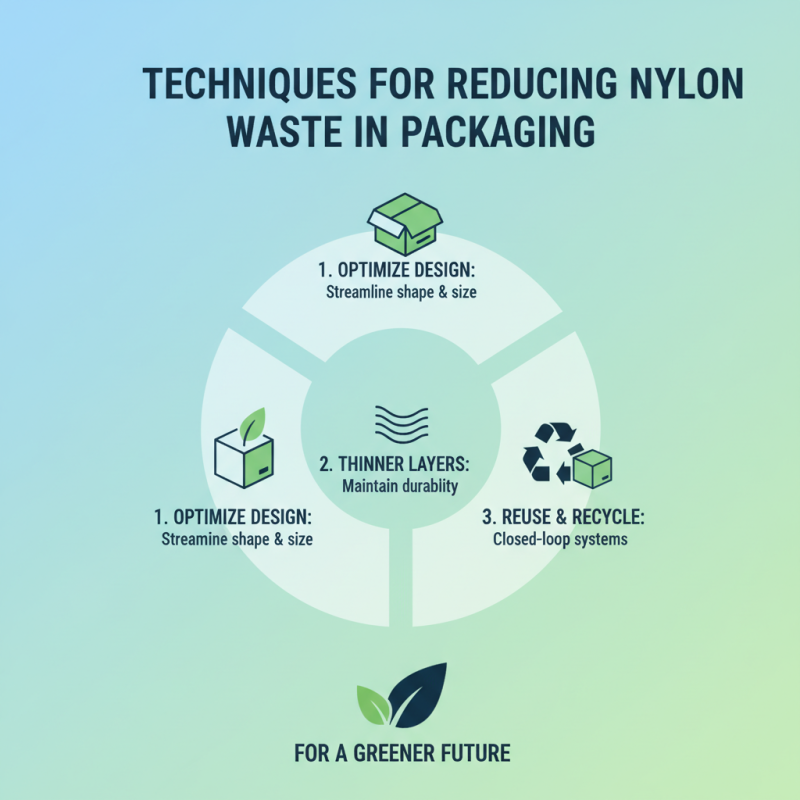
Tips for optimizing nylon packaging include using biodegradable additives. This helps nylon break down more easily in landfills. Companies can also consider reducing the thickness of their nylon films. Thinner materials use fewer resources and result in lighter packaging. It is essential to assess the lifecycle of these products. Rethinking raw materials can lead to significant improvements.
Another approach is the incorporation of recycled nylon. This method reduces waste and decreases energy consumption during production. Though progress is being made, some practices still need improvement. Companies must continuously evaluate their packaging strategies. Efficient recycling systems are crucial to ensure a truly sustainable model. Engaging with customers about these efforts can foster trust and brand loyalty.
2026 Trends in Eco-Friendly Nylon Packaging Solutions
Innovative Materials for Eco-Friendly Nylon Alternatives
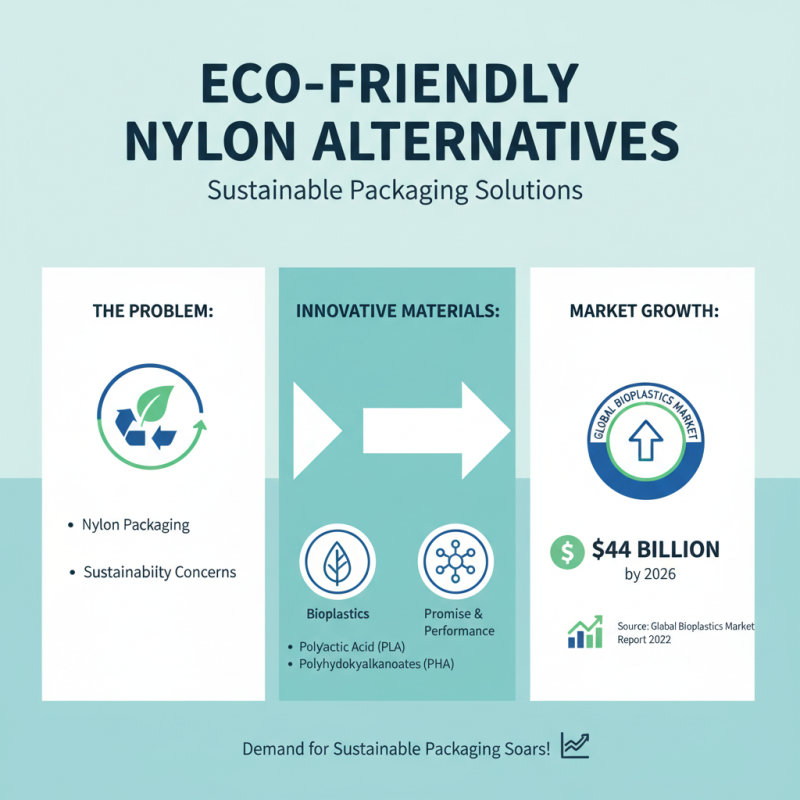
Nylon packaging has become a focal point in discussions about sustainability. Innovative materials are emerging as eco-friendly alternatives to traditional nylon. Bioplastics, such as polylactic acid (PLA) and polyhydroxyalkanoates (PHA), show promise. According to the "Global Bioplastics Market Report 2022," the bioplastics market is projected to reach $44 billion by 2026. This reflects a growing demand for sustainable packaging solutions that do not compromise performance.
To optimize nylon packaging, consider using these alternative materials. PLA is derived from renewable sources, making it biodegradable. It can decompose in industrial composting facilities. PHA, produced by microbial fermentation, is also biodegradable and can degrade in diverse environments. These materials can help reduce plastic waste significantly. Research indicates that shifting to bioplastics could lower greenhouse gas emissions by up to 90% compared to conventional plastics.
Tips for adopting eco-friendly nylon alternatives include evaluating the lifecycle of materials. Assess sourcing, production, and disposal impacts. Collaborate with suppliers focused on sustainable practices. Lightweight packaging reduces transport emissions. Lastly, educate consumers about the benefits of these new materials. Effective communication can build trust and drive demand for eco-friendly products.
Best Practices for Implementing Sustainable Nylon Packaging
As sustainable practices gain momentum, optimizing nylon packaging presents a critical opportunity. Reports indicate that the plastic packaging market is projected to reach $300 billion by 2024. This growth underscores the importance of adopting eco-friendly solutions in nylon production and usage. One strategy involves using recycled nylon materials. Studies show that recycled nylon can reduce carbon emissions by up to 80% compared to virgin nylon. This shift not only conserves resources but also minimizes waste.
Implementing sustainable nylon packaging requires an understanding of lifecycle assessment. Evaluating the environmental impact from production to disposal is essential. An estimated 30% of plastic waste comes from packaging. Improving packaging designs to reduce material usage can further decrease this figure. Integrating biodegradable additives into nylon can enhance its recyclability. Yet, while these advancements are promising, challenges remain. The performance of biodegradable nylon can sometimes fall short of traditional options, requiring ongoing innovation.
Engaging stakeholders is crucial for successful shifts towards sustainable nylon packaging. Collaboration across industries fosters best practices and knowledge sharing. Experts suggest that transparency in sourcing is vital. Communicating the environmental benefits of nylon recycling can inspire consumers to make informed choices. However, there’s a gap in consumer awareness regarding the recyclability of nylon. Addressing this gap will take time and effort, but it is fundamental for meaningful change.