Top 10 Packaging Solutions for E-commerce Success in 2023
In 2023, the e-commerce landscape continues to evolve at an unprecedented rate, with a projected market value expected to reach $6.3 trillion by the end of the year. As online sales surge, the significance of efficient and effective Packaging Solutions cannot be overstated. A recent report by McKinsey highlights that nearly 70% of consumers have switched brands due to poor packaging experiences, underscoring that the right packaging not only protects products but also enhances customer satisfaction and promotes brand loyalty.
The growing demand for sustainable practices further emphasizes the need for innovative Packaging Solutions. According to a study by Nielsen, 73% of global consumers are willing to change their consumption habits to reduce their environmental impact. Brands that prioritize eco-friendly packaging options are not only meeting consumer expectations but are also gaining a competitive advantage in a saturated market. As businesses strive to optimize their supply chains and improve the unboxing experience, it's evident that the right packaging strategies are critical for achieving e-commerce success in 2023.

Innovative Materials for Sustainable E-commerce Packaging in 2023
In 2023, sustainability is at the forefront of e-commerce packaging solutions, with innovative materials paving the way for a greener future. According to a recent report from Smithers, the sustainable packaging market is projected to reach $500 billion by 2027, indicating a strong shift in consumer preferences toward eco-friendly alternatives. Brands are increasingly using materials like biodegradable plastics, mushroom-based packaging, and recycled paper to reduce environmental impact and meet regulatory demands.
The rise of materials such as compostable films and bioplastics offers promising alternatives to traditional petroleum-based packaging. A study from the Sustainable Packaging Coalition highlights that over 70% of consumers believe brands should prioritize renewable materials in their packaging choices. Companies such as Unilever and Coca-Cola are taking significant strides in this direction, integrating plant-based materials into their packaging to improve sustainability. As e-commerce continues to expand, the adoption of these innovative materials not only enhances brand reputation but also addresses the growing concern for environmental stewardship among consumers.
Top 10 Packaging Solutions for E-commerce Success in 2023
| Packaging Solution |
Material Type |
Sustainability Rating |
Cost Efficiency |
Customer Feedback |
| Biodegradable Mailers |
PLA (Polylactic Acid) |
High |
Moderate |
Positive |
| Recyclable Boxes |
Cardboard |
High |
High |
Excellent |
| Mushroom Packaging |
Mycelium |
Very High |
Moderate |
Very Positive |
| Compostable Wraps |
Cellulose |
High |
Moderate |
Positive |
| Recycled Plastic Pouches |
Recycled HDPE |
Medium |
High |
Good |
| Water-Soluble Packaging |
PVA (Polyvinyl Alcohol) |
Very High |
Low |
Excellent |
| Eco-Friendly Fillers |
Paper-based |
High |
Moderate |
Very Good |
| Plant-based Tapes |
Natural Adhesive |
High |
Low |
Good |
| Reusable Packaging |
Durable Plastics |
Medium |
High |
Very Positive |
| Smart Packaging |
Active Materials |
Medium |
High |
Good |
The Role of Custom Packaging in Enhancing Brand Identity
In the ever-evolving landscape of e-commerce, custom packaging plays a pivotal role in enhancing brand identity. According to a recent study by the Packaging Institute, 72% of consumers are more likely to make repeat purchases from a brand that delivers products in branded packaging. This emphasizes the importance of creating a memorable unboxing experience that not only attracts customers but also fosters brand loyalty. Well-designed packaging reflects a company's values and aesthetics, making it a powerful tool for brand communication.
Additionally, research from the eCommerce Packaging Council indicates that 83% of consumers believe that packaging design reflects the quality of the product inside. Brands that invest in unique packaging solutions, such as eco-friendly materials or creative designs, can significantly improve their market differentiation. In 2023, personalized packaging that resonates with customer preferences is expected to drive a 20% increase in direct-to-consumer sales. By aligning packaging with brand identity, businesses can enhance the overall customer experience and secure a competitive edge in the saturated e-commerce market.
Top 10 Packaging Solutions for E-commerce Success in 2023
Efficient Packaging Design for Cost Reduction and Waste Minimization
In the rapidly evolving landscape of e-commerce, packaging is integral not only for product protection but also for cost reduction and waste minimization. Efficient packaging design begins with understanding the dimensions and weight of products to create tailored packaging solutions that reduce excess material use. This practice not only cuts down on shipping costs but also lessens the environmental impact, aligning with the growing consumer demand for sustainable practices.
Utilizing eco-friendly materials such as biodegradable plastics and recycled paper can significantly enhance the sustainability of packaging processes. Furthermore, optimizing packaging shapes through advanced design software allows for more efficient use of space, both in storage and during transportation.
Implementing these strategies not only benefits the bottom line but also fosters consumer trust by demonstrating a commitment to environmental responsibility. In 2023, e-commerce businesses that prioritize innovative and environmentally conscious packaging solutions are likely to lead the market.
Automation Technologies in E-commerce Packaging: Trends and Benefits
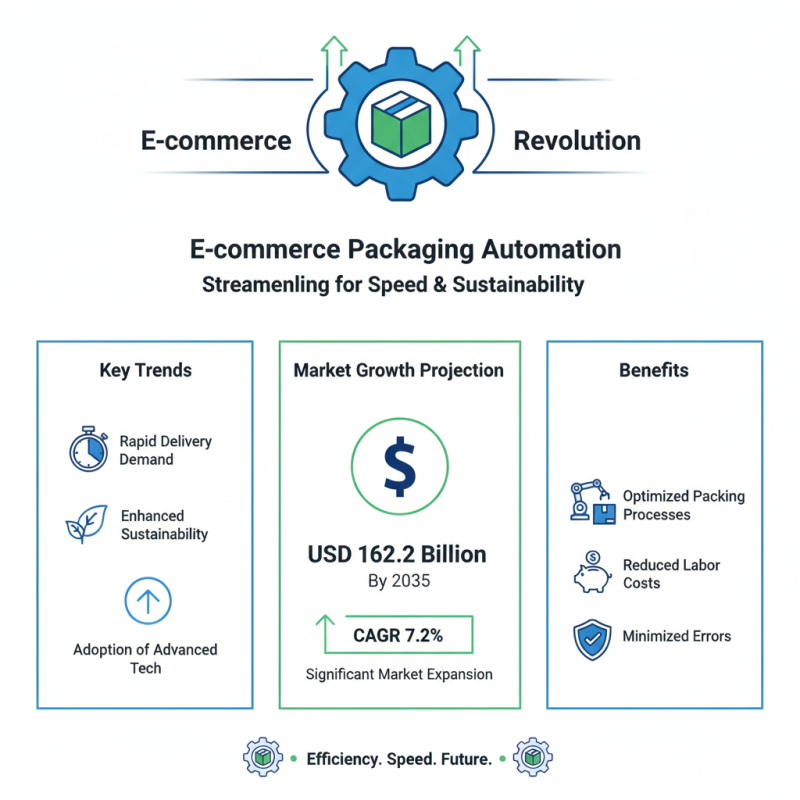
Automation technologies are revolutionizing the e-commerce packaging industry, creating efficiencies and enhancing sustainability. With the increasing demand for rapid delivery, automated packaging solutions have emerged as a key player in streamlining operations. The market is projected to grow significantly, with an anticipated reach of USD 162.2 billion by 2035, reflecting a compound annual growth rate of 7.2%. This trend highlights the industry's commitment to adopting advanced technologies, enabling businesses to optimize packing processes, reduce labor costs, and minimize errors.
Moreover, the sustainable packaging market is experiencing substantial growth, projected to expand from USD 301.8 billion in 2025 to USD 530.4 billion by 2035. This surge is driven by consumer demand for environmentally-friendly practices and cost-effective packaging solutions. As e-commerce continues to evolve, the integration of artificial intelligence in sustainable packaging also shows promise, offering innovative ways to enhance efficiency and reduce waste. Together, these developments in automation and sustainability are not only shaping the future of packaging solutions but are also crucial in achieving e-commerce success.
Best Practices for Ensuring Product Safety During Shipping and Handling
In today's e-commerce landscape, ensuring product safety during shipping and handling is paramount for companies aiming for success. According to recent industry reports, nearly 20% of product returns in e-commerce result from damages incurred during transit. To mitigate these risks, businesses must adopt packaging solutions designed to protect goods effectively. The integration of advanced materials, such as biodegradable cushioning and temperature-sensitive indicators, can significantly enhance the safety of products, particularly for temperature-sensitive items like pharmaceuticals and perishable foods.
Moreover, compliance with stringent regulations is critical, especially in light of the new EU Product Recall Requirements under the General Product Safety Regulation. Companies need to be prepared for swift action if a recall is necessary, as delays can lead to heightened risks and potential legal repercussions. Research indicates that a proactive approach to product safety—not only in packaging but also in transportation hygiene—can reduce the likelihood of recalls and maintain consumer trust. This is particularly relevant in the transport of bulk food, where maintaining strict sanitation standards is vital to prevent foodborne illnesses and ensure safe delivery to consumers.