Top Quality Aluminium Bags for Global Buyers in 2026?
The demand for Aluminium Bags has seen significant growth in recent years. According to a recent market report by Grand View Research, the global packaging market is projected to reach $1 trillion by 2026. This growth is driven by the rising need for sustainable and lightweight packaging solutions. Aluminium Bags stand out due to their durability and recyclability.
Industry experts estimate that the aluminium packaging segment could grow at a CAGR of 4.6% from 2022 to 2027. Companies are increasingly opting for Aluminium Bags over traditional packaging. These bags offer better barrier properties and extend shelf life. For instance, products like food, pharmaceuticals, and cosmetics benefit from extended freshness.
However, challenges remain. Not all Aluminium Bags meet the necessary quality standards. Inconsistent manufacturing processes can lead to subpar products that fail to protect contents. This creates a gap in the market for top-quality Aluminium Bags. As global buyers seek reliable suppliers in 2026, understanding these nuances will be crucial for informed decisions.

Trends in Aluminium Bag Manufacturing for 2026
The aluminium bag manufacturing sector is evolving rapidly, driven by sustainability and innovation. In 2026, we can expect more eco-friendly materials being used in production. Brands are increasingly focusing on biodegradable coatings and recyclable materials for their aluminium bags. This change is not just due to consumer demand; it’s also a response to global environmental regulations.
Design trends in aluminium bags will likely emphasize functionality and aesthetics. Manufacturers may introduce bags with multi-functional uses, catering to various market needs. Colorful designs and unique shapes can attract the modern consumer. Brands that prioritize these aspects are likely to gain an edge. However, the challenge lies in maintaining durability while using these new materials.
Quality control will remain essential in the production process. Finding the right balance between innovation and traditional methods can be tricky. Companies must invest in research to improve their product offerings while avoiding potential pitfalls. This journey toward better products is not straightforward, reflecting the complexities of modern manufacturing.
Key Features of High-Quality Aluminium Bags
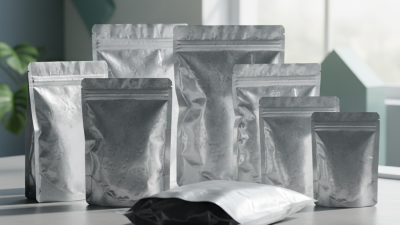
High-quality aluminium bags are increasingly popular among global buyers in 2026. These bags offer durability and resistance to moisture, making them ideal for various products. The lightweight nature of aluminium is another significant advantage. It allows for easy transportation without compromising strength.
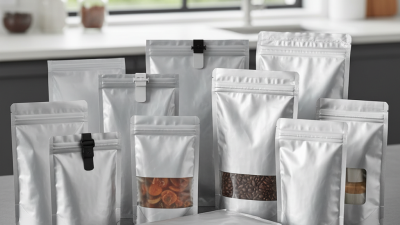
When assessing the quality of aluminium bags, certain features stand out. For instance, an effective sealing mechanism is crucial. It ensures contents remain safe and secure. Not all bags are designed equally, and users often face challenges with weak seals. Additionally, the thickness of the aluminium greatly influences the bag's sturdiness. Thinner bags may be cost-effective but lack in protection. This trade-off can lead to damaged goods and unmet consumer expectations.
Another important aspect to consider is customization. Some buyers prefer bags with printed designs or specific dimensions. Unfortunately, not all manufacturers offer these options, which may leave customers dissatisfied. A focus on sustainability is also essential. Consumers are increasingly seeking eco-friendly alternatives, even in packaging. High-quality aluminium bags must strike a balance between functionality and environmental responsibility.
Top Quality Aluminium Bags for Global Buyers in 2026
| Feature |
Description |
Importance |
| Material Quality |
High-grade aluminum for durability and strength. |
Ensures longevity and protection of contents. |
| Seal Type |
Thermal or zipper seal options for airtight closure. |
Prevents contamination and extends shelf life. |
| Size Variety |
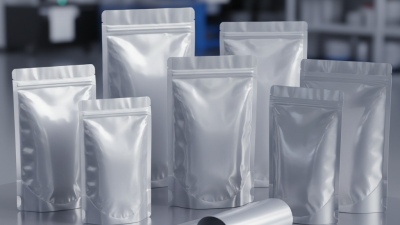
Available in multiple sizes to suit different needs. |
Flexibility to store various products effectively. |
| Print Quality |
High-resolution printing for branding and information. |
Enhances visibility and market appeal. |
| Recyclability |
Eco-friendly materials that are 100% recyclable. |
Supports sustainability goals for buyers. |
| Customizability |
Options for custom shapes and sizes based on buyer needs. |
Allows for unique packaging solutions. |
Markets Driving Demand for Aluminium Bags Worldwide
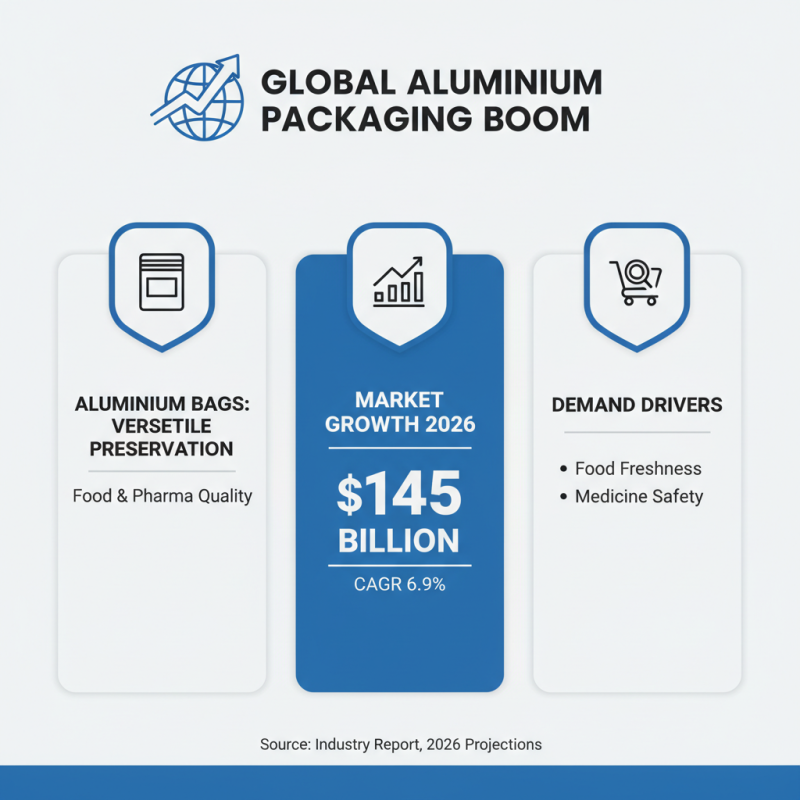
Aluminium bags are gaining traction in various markets due to their versatility and effectiveness. In 2026, the global demand is expected to grow significantly. According to a recent industry report, the aluminium packaging market is projected to reach $145 billion by 2026, with a CAGR of 6.9%. This growth is fueled by the rising need for quality preservation in food and pharmaceuticals.
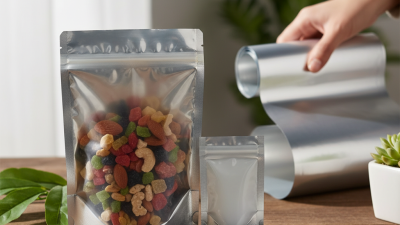
In the food sector, aluminium bags play a crucial role in extending shelf life. Their barrier properties prevent moisture and oxygen from deteriorating products. The pharmaceutical industry also relies on these bags for packaging sensitive medications. Reportedly, over 75% of pharmaceutical companies are adopting aluminium packaging for better product safety. This shift underscores a growing awareness of packaging’s impact on health and longevity.
Sustainability is another significant driver. Many consumers now seek eco-friendly solutions. Aluminium is recyclable, and companies are increasingly promoting this aspect. Yet, not all aluminium bags are created equal. Variability in quality can lead to inefficiencies. As demand rises, manufacturers must address these inconsistencies to maintain their reputation. Balancing cost and quality remains a challenge in optimizing production processes.
Sustainability and Eco-Friendly Practices in Aluminium Bag Production
The aluminum bag industry is evolving towards sustainability and eco-friendly practices. Manufacturers are increasingly focused on reducing their carbon footprint. This trend aims to meet the growing demand for environmentally conscious packaging. Many companies now utilize recycled aluminum, significantly reducing waste.
Using sustainable materials is just one aspect of the shift. Energy-efficient production methods are gaining traction. These methods lower the environmental impact throughout the manufacturing process. However, challenges remain. Not all manufacturers are equipped to implement these changes. This inconsistency can affect the overall sustainability of the industry.
Another concern is the end-of-life disposal of aluminum bags. While recyclable, many consumers are unaware of proper disposal methods. This gap in knowledge highlights the need for better education on recycling practices. Through enhanced awareness and responsible manufacturing, the aluminum bag sector can make significant strides toward sustainability.
Innovative Designs and Technologies in Aluminium Bag Development
Aluminium bags are gaining traction due to their lightweight design and durability. According to a recent market report, the demand for aluminium packaging is projected to grow at a CAGR of 6% through 2026. Innovations in this sector focus on sustainability and functionality.
New technologies are being developed to enhance the barrier properties of aluminium bags. For instance, the integration of smart materials can monitor the freshness of products. Such advancements can prolong shelf life while reducing food waste, a critical concern for manufacturers and consumers alike.
Tips: Look for bags that offer multi-layered barriers for optimal protection. Consider options that are fully recyclable to support eco-friendliness.
The trend also indicates a shift towards customisation. Brands are exploring printing techniques that allow vibrant designs on aluminium surfaces. This personalization can help brands stand out in a competitive market. However, achieving perfect prints is still a challenge.
Tips: Always ask for samples to evaluate print quality before committing to large orders. Be mindful of manufacturing tolerances and how they can affect the final product.