Top 10 Box Material Choices for Your Packaging Needs?
Choosing the right box material is essential for effective packaging. It impacts not only product protection but also brand perception. Different materials offer unique benefits, making the selection process challenging.
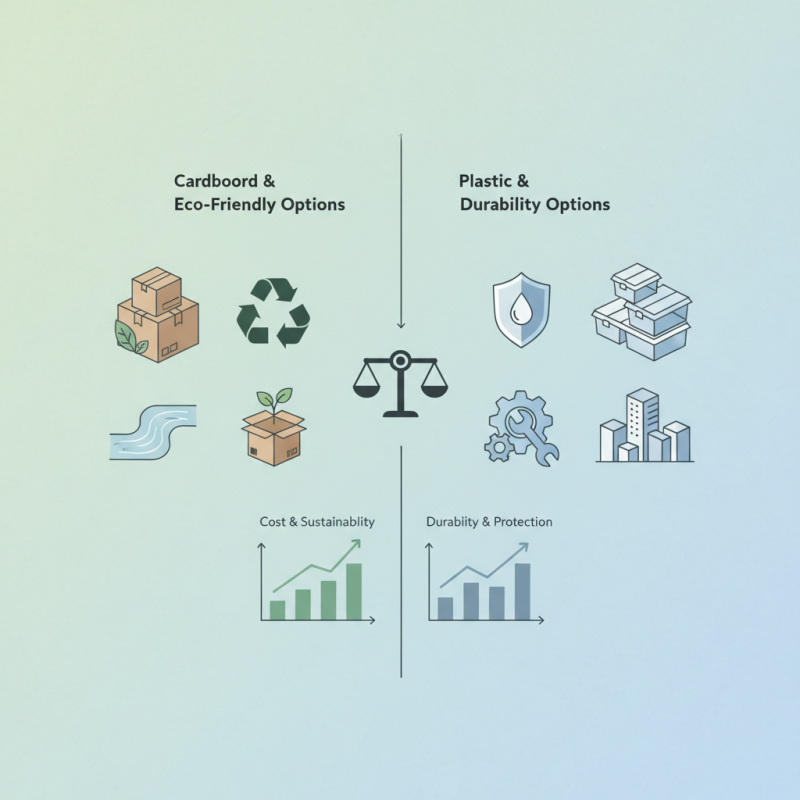
Consider cardboard, a popular choice that balances weight and strength. It is recyclable, making it an environmentally friendly option. On the other hand, plastic boxes provide durability and weather resistance. Yet, they carry concerns regarding environmental impact. Each material affects your brand’s image differently.
Ultimately, the decision lies in the specific packaging needs. Factors like cost, durability, and environmental responsibility are key. Finding the right box material is not just about function; it reflects your brand’s values and commitment to quality. Reflect on your options carefully, as the choice will shape your packaging strategy.
Top 10 Box Material Choices for Your Packaging Needs
When choosing the right box material for packaging, various factors come into play. Different materials offer unique advantages. For example, corrugated cardboard is popular for its lightweight nature and strength. It's often used for shipping and storage. However, it can be susceptible to moisture.
A great tip to consider is how your product interacts with the box. One might think plastic is waterproof and durable, but it can lose rigidity over time. This may impact the packaging’s integrity. Evaluate your product weight and size before deciding.
Another option is rigid boxes, which provide a premium feel. They are ideal for luxury items. Yet, they may not always be cost-effective. Be aware of your budget constraints. Remember, packaging also influences customer perception. Taking the time to choose the right material will pay off in the long run.
Top 10 Box Material Choices for Your Packaging Needs
| Material Type |
Weight (g/m²) |
Durability |
Eco-Friendliness |
Cost (per 1000 units) |
| Corrugated Cardboard |
300 |
High |
Yes |
$200 |
| Kraft Paper |
120 |
Medium |
Yes |
$150 |
| Rigid Box Board |
500 |
Very High |
Yes |
$400 |
| Plastic |
200 |
High |
No |
$300 |
| Paperboard |
250 |
Medium |
Yes |
$180 |
| Aluminum |
150 |
Very High |
Yes |
$500 |
| Foam |
220 |
High |
No |
$350 |
| Bamboo |
180 |
Medium |
Yes |
$300 |
| Polyurethane |
160 |
High |
No |
$400 |
| Glass |
500 |
Very High |
Yes |
$600 |
Overview of Packaging Materials and Their Importance in Supply Chain
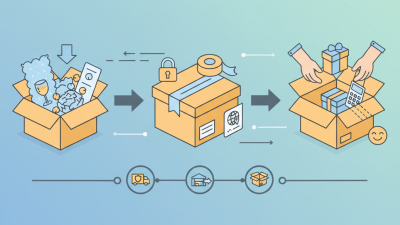
Packaging materials play a crucial role in the supply chain. They protect products during transit and storage. Choosing the right material can significantly affect product safety and customer satisfaction. Some materials are more durable than others. Cardboard, for example, is lightweight yet sturdy. However, it may not provide enough protection for fragile items.
Sustainable options are increasingly important. Materials like recycled paper or biodegradable plastics are gaining popularity. They help reduce environmental impact. Yet, their effectiveness in protecting products needs careful consideration. Some eco-friendly options may not withstand harsh conditions. Balancing sustainability with product safety requires a thoughtful approach.
Choosing the right packaging material can be a challenge. A mismatch can lead to damage and increased costs. For instance, using thin plastic wrap for heavy items may seem economical. However, this can result in damages and returns, impacting your reputation. Evaluating materials based on specific needs is essential. Regularly reviewing packaging choices can lead to better decisions.
Corrugated Cardboard: The Dominant Choice for Shipping Boxes
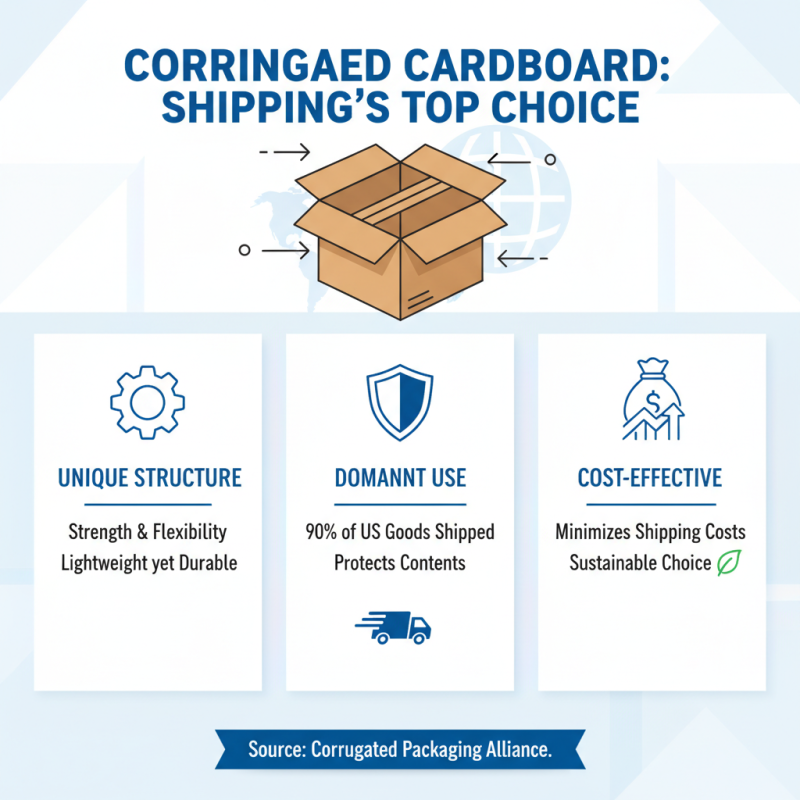
Corrugated cardboard stands out as the leading choice for shipping boxes today. Its unique structure offers strength and flexibility. According to the Corrugated Packaging Alliance, about 90% of all goods shipped in the U.S. use corrugated cardboard. This material's lightweight yet durable nature minimizes shipping costs while protecting contents.
Despite its benefits, there are challenges. Corrugated cardboard can lose strength when exposed to moisture. Additionally, recycling rates, though improving, still leave room for growth. The Environmental Protection Agency (EPA) reports a recovery rate of 88%, but many boxes still end up in landfills. This raises questions about sustainability practices within the industry.
Notably, some businesses are exploring alternatives, like biodegradable materials. These options may reduce environmental impact, yet they often lack the protective qualities of corrugated materials. As the packaging landscape evolves, finding a balance between cost-effective and eco-friendly solutions remains a concern for many companies. The pursuit of better options continues, urging a rethink of traditional practices.
Rigid Boxes: Premium Packaging Solutions with Enhanced Durability
Rigid boxes offer a premium solution for packaging needs. Their sturdy construction ensures enhanced durability and protection for the items inside. These boxes are ideal for fragile products that require extra care during shipping. In contrast to flimsy alternatives, rigid boxes maintain their shape, despite external pressures.
Moreover, these packaging solutions can be customized in various ways. Different sizes, colors, and finishes are available to match your brand's image. A matte finish could give a modern touch, while a glossy surface might evoke luxury. This versatility makes rigid boxes appealing for many industries, from cosmetics to electronics. However, the cost of production can be higher than standard boxes. Budget constraints might lead to tough decisions.
The environmental impact of rigid boxes is worth considering, too. While they are durable, sourcing materials sustainably is important. Finding the right balance between quality and eco-friendliness requires thoughtful reflection. As businesses seek to impress customers, it's crucial to weigh all these factors meticulously. Rigid boxes may shine in many aspects, but perfection remains elusive.
Top 10 Box Material Choices for Your Packaging Needs
Flexible Packaging: Cost-Effective and Lightweight Alternatives
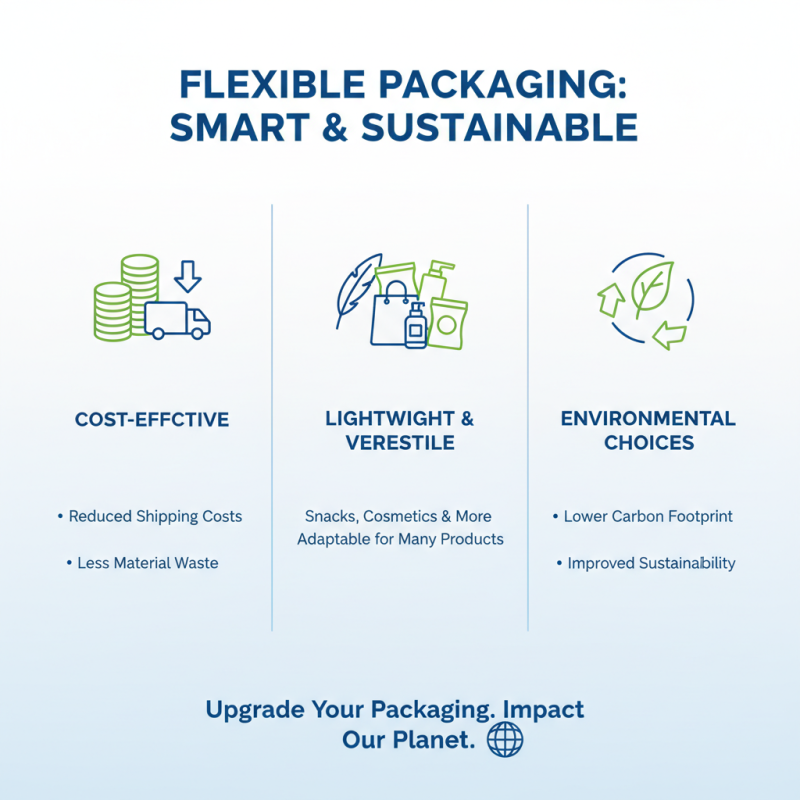
Flexible packaging has gained popularity due to its cost-effectiveness and lightweight nature. This option suits many products, from snacks to cosmetics. Companies often choose flexible materials for their packaging needs. It can reduce shipping costs and minimize waste. With this in mind, exploring flexible options can lead to better sustainability practices.
Tips: Consider your product's dimensions when choosing flexible packaging. This ensures a snug fit and optimal protection. Test different types of seals to find what works best for you. The right seal can prevent spills and keep products fresh.
Another advantage is the variety of materials available. You can select from films, pouches, and wraps. Each has its pros and cons. It is crucial to evaluate how well these materials protect your product. Furthermore, consider their impact on the environment. Some choices may not be recyclable, which could reflect poorly on your brand.
Tips: Look for suppliers who understand sustainability. They may offer eco-friendly options that align with your values. Also, evaluate the aesthetics of your packaging. Eye-catching designs can attract customers and enhance user experience. Making informed decisions about flexible packaging can lead to long-term benefits.
Conclusion
In today's fast-paced supply chain, selecting the right box material is crucial for effective packaging. This article explores the top 10 box material choices, highlighting the significance of each type in meeting various shipping and storage needs. Corrugated cardboard stands out as the dominant choice for shipping boxes due to its sturdiness and versatility. For those seeking premium options, rigid boxes offer enhanced durability and a sophisticated presentation.
Additionally, flexible packaging emerges as a cost-effective and lightweight alternative, appealing to businesses aiming for efficiency. With increasing awareness of environmental impact, sustainable materials are also becoming prominent in modern packaging, providing eco-friendly solutions without compromising quality. Understanding these box material options can help businesses make informed decisions that align with their operational goals while addressing consumer preferences for sustainability.