Leave Your Message
-
Phone
-
E-mail
-
Whatsapp

-
Whatsapp

China’s Liquid Packaging sector serves food, beverages, dairy, personal care, and pharmaceutical markets. Its manufacturers supply cartons, bottles, pouches, filling lines, and integrated packaging systems. For buyers, the challenge is not simply finding a low quotation. Material performance, filling speed, after-sales support, and delivery reliability matter just as much.
This guide introduces ten Chinese manufacturers to consider in 2026. It is designed as a practical starting point, not a universal ranking. Company capabilities can change, and a strong product brochure does not prove consistent production quality. Buyers should verify certifications, request current technical documents, and inspect samples or facilities where possible. Ask about package compatibility, line speed, maintenance needs, and spare-parts availability. Small details count. A cap that leaks during transport or a film that runs poorly on an existing machine can create costly delays. The comparison should therefore focus on each supplier’s stated product range, manufacturing experience, customization options, and service support. These criteria help readers frame more useful questions before contacting a supplier. Still, no shortlist replaces independent checks. Needs differ by product, budget, and destination market. A careful comparison can narrow the field, but final selection requires direct evaluation.
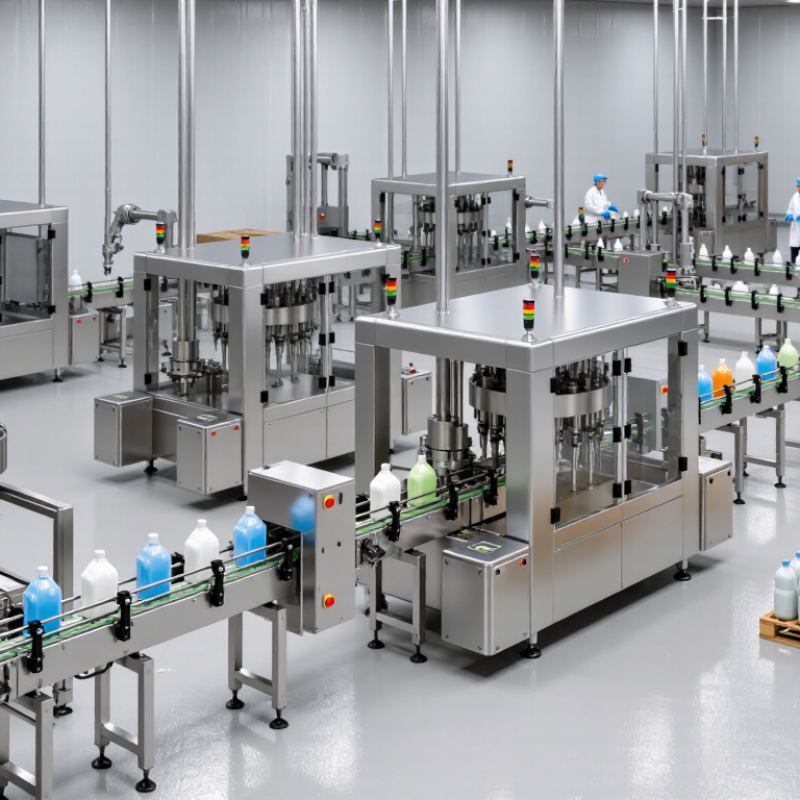
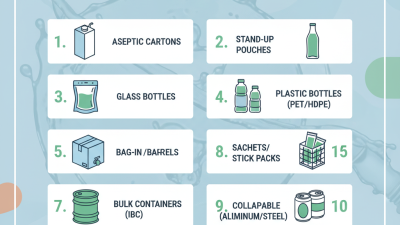
China’s liquid packaging industry covers containers, closures, flexible packs, and the equipment used to fill and seal them. Its scope is broader than bottles alone. A buyer may compare rigid plastic, glass, metal cans, cartons, and multilayer pouches, each suited to different products and handling needs. Small details matter: neck size, seal integrity, label area, and whether a pack stands securely on a wet shelf.
Key segments follow the liquid being packed. Water and beverages often need lightweight, high-speed formats; dairy products may require stronger barriers against light and oxygen. Sauces, oils, and household liquids bring different needs, including controlled pouring and resistance to leakage. Industrial liquids add another layer, since container strength and transport conditions can outweigh shelf appearance. The right choice depends on product testing, not just a catalogue specification.
Manufacturers therefore vary in expertise: some focus on container conversion, while others supply filling lines, closures, or integrated packaging systems. Assessing a supplier means checking material specifications, production consistency, sample performance, and documented quality controls. Ask how defects are measured, and how changes in resin or process are managed. A polished sample is not enough. One limitation is that public supplier information may not reveal actual line performance; independent trials can expose gaps before a large order.
| No. | Supplier Segment | Typical Packaging Formats | Common Liquid Applications | Typical Manufacturing Scope | Key Considerations |
|---|---|---|---|---|---|
| 1 | Aseptic carton packaging | Paperboard-based cartons with polymer layers; brick, square, and gable-top formats | UHT milk, plant-based drinks, juice, and other shelf-stable beverages | Multilayer carton material, converting, printing, and compatible filling systems | Designed for products filled and sealed under aseptic conditions; material structures and barrier performance vary by application. |
| 2 | PET bottle packaging | Single-serve through large-format bottles, commonly with screw closures | Bottled water, soft drinks, edible oil, and selected household liquids | Preform production, stretch blow molding, bottle finishing, and related packaging components | Lightweight and shatter-resistant; bottle design, resin use, and recyclability depend on product and local collection systems. |
| 3 | HDPE and other rigid plastic containers | Bottles, jugs, cans, and handled containers | Milk, detergents, personal-care liquids, chemicals, and lubricants | Extrusion blow molding or injection molding, container finishing, and closure compatibility | Material selection and container construction should match the liquid’s chemical, handling, and storage requirements. |
| 4 | Glass bottle and jar packaging | Clear, amber, or colored bottles and jars in a range of sizes | Alcoholic beverages, sauces, premium drinks, and selected pharmaceutical liquids | Glass forming, annealing, inspection, surface treatment, and decoration | Provides a rigid, non-plastic package, but is heavier and more breakable than many alternative formats. |
| 5 | Metal can and aerosol packaging | Two-piece or three-piece cans; metal aerosol containers | Beer, beverages, cooking products, and pressurized household or personal-care products | Can-body forming, end production, coating, printing, and container testing | Interior coatings and package specifications must suit the contents; aerosol products require pressure-rated designs. |
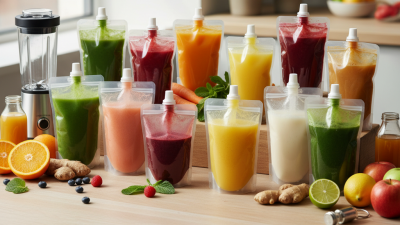
| 6 | Flexible pouch packaging | Stand-up pouches, spouted pouches, sachets, and refill packs | Juice, sauces, dairy products, detergents, and personal-care liquids | Flexible-film converting, lamination or other structure formation, printing, and pouch making | Barrier layers, seals, and fitments are selected for the product, shelf-life target, and filling process. |
| 7 | Closures, caps, and dispensing components | Screw caps, sport caps, pumps, trigger sprayers, and dispensing closures | Beverages, home-care products, personal-care liquids, and pharmaceutical products | Plastic or metal component molding, liner or seal integration, and functional testing | Closure dimensions and performance must be compatible with the container finish and intended dispensing or tamper-evidence needs. |
| 8 | Filling and packaging machinery | Equipment for bottles, cartons, cans, pouches, and bulk containers | Food and beverages, household liquids, personal care, and industrial products | Filling, capping or sealing, conveying, inspection, and line integration | Equipment configuration depends on product properties, package format, required hygiene level, and production requirements. |
| 9 | Labels, sleeves, and packaging decoration | Pressure-sensitive labels, wrap-around labels, and shrink sleeves | Packaged beverages, food liquids, household products, and personal-care products | Printing, converting, finishing, and label or sleeve application solutions | Adhesives, inks, and label materials should suit the container surface, filling environment, and recycling considerations. |
| 10 | Drums, IBCs, and industrial liquid containers | Plastic or metal drums, intermediate bulk containers (IBCs), and associated closures | Chemicals, ingredients, lubricants, and other industrial liquids | Container forming or assembly, closures, handling features, and quality checks | Capacity, material compatibility, transport conditions, and applicable handling requirements determine the appropriate package. |