In today's fast-paced market, businesses seek innovative solutions to enhance product packaging. Bag In Box Packaging has emerged as a prominent choice. This method combines convenience with efficiency, making it ideal for liquids and a variety of other products. Industry expert John Doe states, "Bag In Box Packaging not only protects the product but also extends its shelf life."
Many companies have yet to fully embrace this packaging style. Some worry about the initial investment. However, the long-term benefits can outweigh these concerns. The packaging provides a significant reduction in waste. Its lightweight design also lowers shipping costs.
Furthermore, consumer preferences are shifting towards sustainable practices. Bag In Box Packaging can meet this demand while still offering durability. Despite its advantages, businesses must carefully assess their needs. It is essential to consider the compatibility of this packaging with the product. Overall, understanding these factors is crucial for making informed decisions.
Bag in box packaging offers significant advantages for extending shelf life. This design minimizes air exposure. Oxygen is a big enemy of perishable goods. The vacuum seal reduces oxidation, slowing down spoilage. It's great for liquids and sensitive products.
When choosing bag in box, consider its material. A high-barrier film helps resist moisture and light. These elements can degrade quality over time. A strong outer box provides added protection during transport. The entire package must be sturdy to maintain freshness.
Tips for using bag in box packaging:
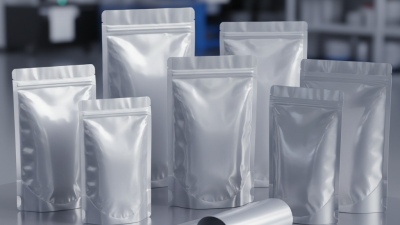
Bag in box packaging offers significant cost advantages throughout the supply chain. An industry report indicates that this packaging method can reduce packaging costs by up to 30%. This savings comes mainly from lower raw material costs and decreased transportation fees. Lightweight design means shipping costs drop significantly, particularly for liquid products.
Moreover, bag in box systems enhance storage efficiency. They use space more effectively than traditional containers. A study found that companies using these systems observed a reduction in warehousing costs by approximately 20%. Companies may also benefit from longer shelf life due to reduced oxygen exposure. This can lead to decreased spoilage rates, transforming the supply chain’s financial landscape.
However, not every company reaps the same rewards. Some businesses struggle with the initial setup costs. Investing in compatible filling and dispensing machinery may deter smaller companies. Additionally, the learning curve associated with transitioning to this packaging type can introduce inefficiencies. Balancing these challenges with potential savings requires careful evaluation.
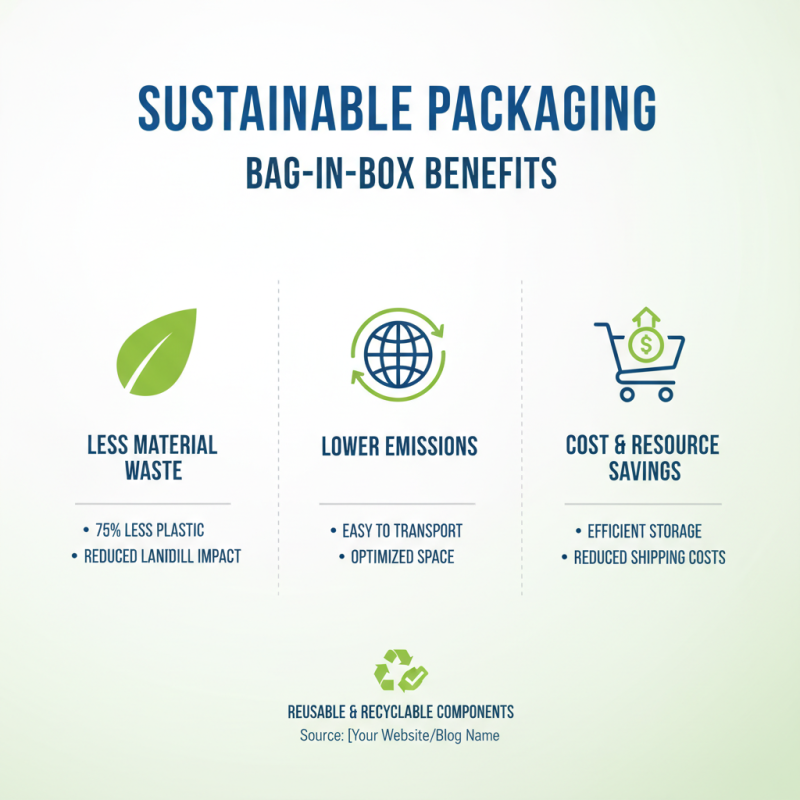
Bag In Box (BIB) packaging is increasingly popular for its appeal to sustainability. This method uses less material than traditional packaging. It can significantly reduce plastic waste. A well-designed BIB system can cut down on carbon emissions during transportation. Lightweight bags are easy to stack, minimizing space in storage and transportation. This efficiency not only conserves resources but also reduces costs.
The design of BIB packaging also promotes recycling. Many BIB bags are made from recyclable materials. However, the recycling process is not straightforward. Not all facilities can handle these specialized bags. Consumers may not be aware of correct disposal methods. This can lead to confusion and unintended waste. Education on proper recycling practices is essential.
Additionally, BIB packaging can preserve products longer. This longevity reduces spoilage and waste. However, not all businesses may be equipped to utilize BIB systems effectively. Some may face initial challenges in modifying their production lines. There is a gap between awareness and adoption of sustainable practices in industries. Addressing these hurdles is crucial for maximizing environmental benefits.
Bag In Box packaging offers remarkable convenience for both consumers and businesses. This type of packaging is lightweight, making it easy to transport. Unlike traditional packaging, it reduces the risk of breakage. Imagine carrying several liters of liquid in a sturdy, portable box. It simplifies storage, saving valuable space in both retail settings and homes.
The design of Bag In Box is user-friendly. It has a tap or spout for pouring, allowing for mess-free dispensing. This feature can enhance the customer's experience. However, many users report initial difficulty with the tap mechanism. Proper usage takes a bit of practice, leading to potential frustration for some.
Portability also means that Bag In Box is ideal for various occasions. Whether for a picnic or a gathering, it’s easy to take along. However, customers sometimes overlook the importance of keeping it upright to prevent leaks. This oversight can lead to spills and wasted product. Recognizing these small challenges is key to maximizing the benefits of this innovative packaging.
| Benefit | Description | Impact on Product |
|---|---|---|
| Convenience | Easy dispensing with minimal effort required from the user. | Encourages frequent use and reduces waste. |
| Portability | Lightweight design allows for easy transportation. | Increases market reach, especially for outdoor events. |
| Space Efficiency | Optimizes storage space due to its compact design. | Reduces storage costs for retailers. |
| Freshness | Provides an airtight seal that preserves product quality. | Enhances shelf life and maintains taste. |
| Sustainability | Uses less material than traditional packaging. | Low environmental impact, appealing to eco-conscious consumers. |
| Cost-Effectiveness | Lowers overall packaging costs due to efficiency in shipping. | Increases profit margins for businesses. |
| Multi-purpose Use | Suitable for a variety of liquids, from beverages to chemicals. | Flexibility in usage across different industries. |
| Branding Opportunities | Provides a large surface area for branding and information. | Helps in enhancing brand visibility and consumer recognition. |
| User-Friendly Design | Designed for ease of use; minimizing spillage and mess. | Improves customer satisfaction and loyalty. |
| Reduced Oxygen Exposure | Minimizes oxidation by controlling air exposure during dispensing. | Maintains product integrity and flavor. |
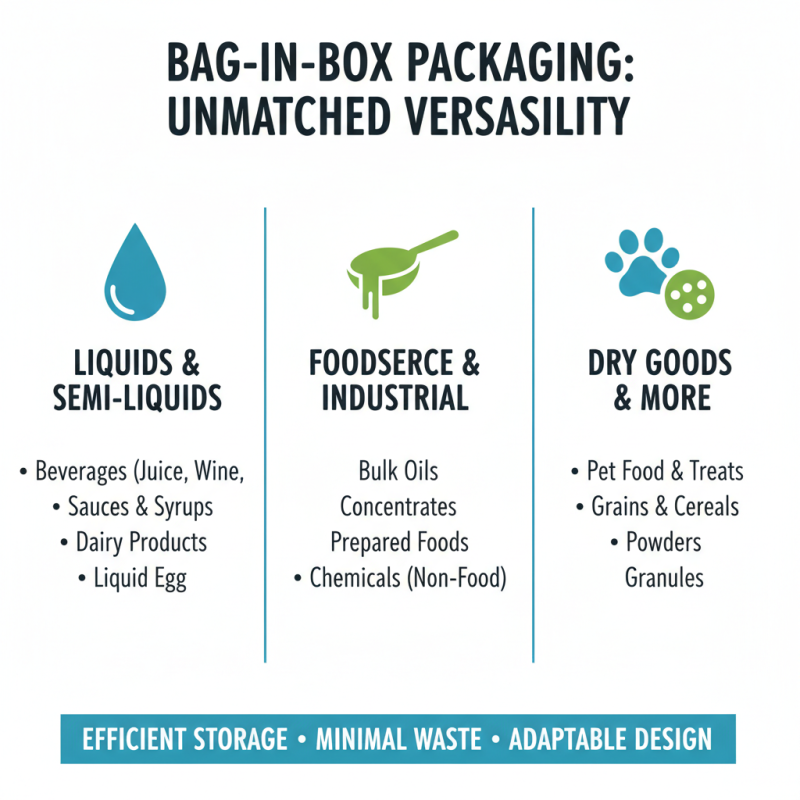
Bag in box packaging offers remarkable versatility for a wide range of products. It is suitable for liquids, semi-liquids, and even dry goods. This innovative packaging solution accommodates everything from beverages to sauces and even pet food. Its design allows for efficient storage, minimizing space. Many businesses are now leveraging this flexibility to meet diverse product needs.
Tips: Think about your product's specific requirements. Consider how bag in box can enhance user experience. Focus on ease of pouring and storage efficiency.
Another key aspect is sustainability. Bag in box packaging reduces waste compared to traditional containers. The materials can often be recycled, promoting a more eco-friendly approach. However, some businesses may worry about initial costs. It’s essential to evaluate long-term benefits versus upfront investments.
Tips: Analyze your supply chain. A small change can lead to significant savings. Explore various bag and box materials to ensure maximum efficiency for your products.