request to quote
Leave Your Message

Top 10 Container For Packing Solutions for Global Buyers?

Choosing the right container for packing is crucial for global buyers. The right packaging ensures products arrive safely and in good condition. With numerous options available, selecting the best container can seem overwhelming.

Many buyers seek containers that are durable and cost-effective. They want options that protect items during transit and are easy to handle. Some containers are designed for specific products. Others offer versatility. This variety can lead to confusion. Evaluating the strengths and weaknesses of each option is essential.

Different materials affect the performance of containers for packing. Plastic, cardboard, and metal each have unique benefits. Understanding these materials helps buyers make informed decisions. Moreover, local regulations may impact packaging choices. This complexity requires thorough research and consideration of practical needs. Ultimately, the right container for packing can enhance efficiency and reduce costs. A smart choice leads to happier customers and smoother operations.
Top 10 Container For Packing Solutions for Global Buyers?

Overview of Container Types for Packing Solutions

Top 10 Container For Packing Solutions for Global Buyers?

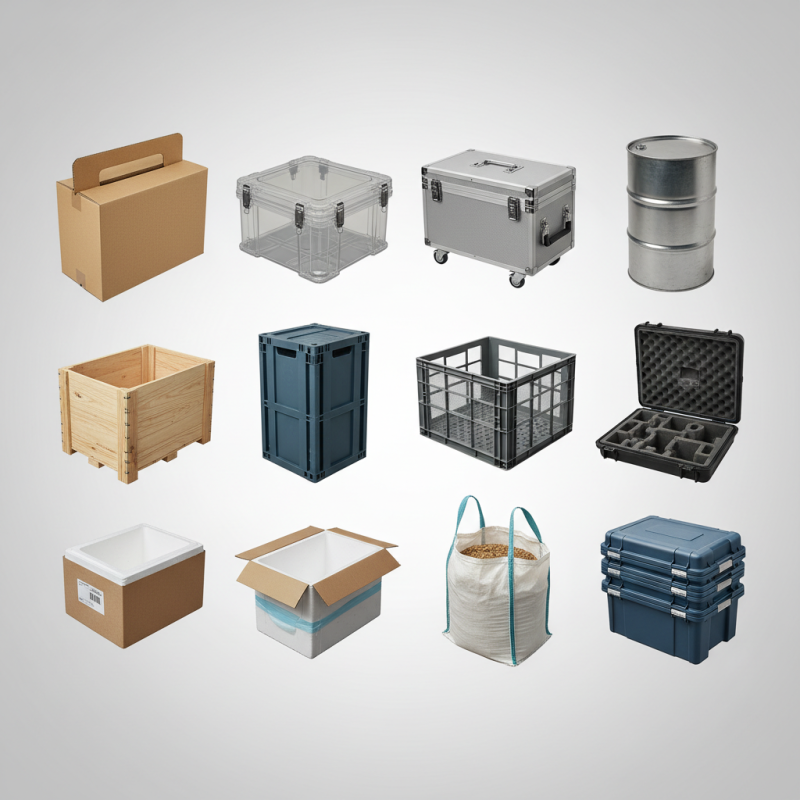
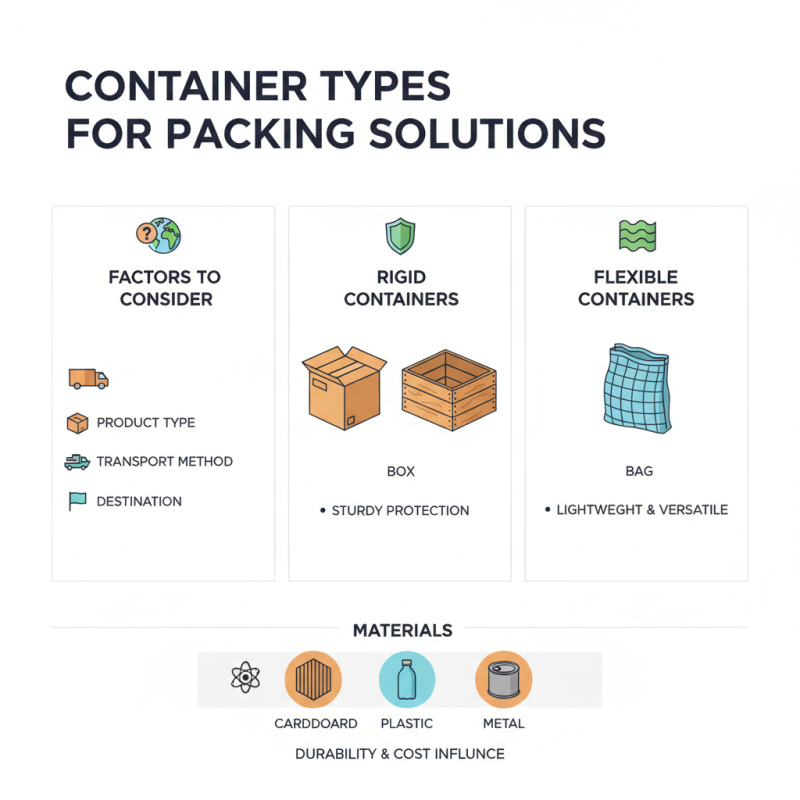
When exploring container types for packing solutions, various factors come into play. The choice of container depends on the product type, transport method, and destination. Rigid containers, such as boxes and crates, provide sturdy protection. Flexible options like bags are lightweight and versatile. The material, whether cardboard, plastic, or metal, also influences durability and cost.

Specificity is crucial. For example, food products require containers that meet safety standards. Fragile items need cushioned packaging to prevent damage. The design of the container can enhance brand visibility while ensuring functionality. Choosing the right container might seem straightforward, yet it often involves navigating several regulatory requirements.

It’s essential to recognize design flaws in some containers. For instance, inadequate sealing can lead to contamination. There are challenges in balancing sustainability with cost. Some containers are not recyclable, which raises concerns about environmental impact. Reflecting on these aspects helps improve packing solutions for global buyers. The goal is to achieve a blend of safety, efficiency, and sustainability.

Key Features to Consider in Packing Containers

Top 10 Container For Packing Solutions for Global Buyers?

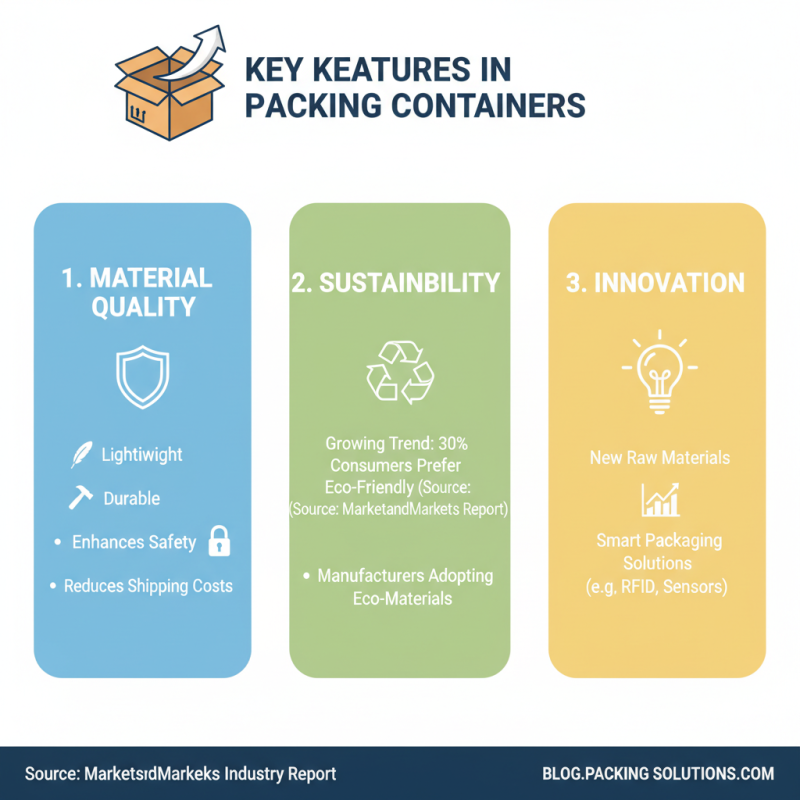
When choosing packing containers, it's essential to consider key features. Material quality plays a significant role. Lightweight, durable materials can reduce shipping costs and enhance safety. According to a recent industry report by MarketsandMarkets, sustainable materials are gaining traction, with 30% of consumers preferring eco-friendly options. This trend influences manufacturers to rethink their raw materials.

Size and adaptability are also critical. Containers must be able to fit various products efficiently. A well-designed container minimizes wasted space. Research shows that about 20% of shipping costs stem from inefficiencies in packing. Users need to evaluate how easily a container can be stacked or stored, ensuring versatility in usage across different shipping modes.

Additionally, sealing mechanisms deserve attention. Secure closures prevent product damage during transit. A study by Smithers Pira revealed that improper sealing contributes to 15% of product losses in shipping. These factors highlight the necessity for comprehensive evaluation in selecting the right packaging solutions, emphasizing that even small details can have significant impacts on efficiency and cost.

Top 10 Container Options for Global Shipping

Shipping containers play a crucial role in global trade, and selecting the right options can significantly impact efficiency. In 2021, the shipping industry transported around 1.82 billion metric tons of goods. This number highlights the demand for reliable packing solutions. When it comes to container choices, durability, size, and insulation capabilities are key factors.

Standard dry containers are commonly used for general cargo. They come in various sizes, typically 20 or 40 feet. Reefer containers are essential for perishable goods, maintaining temperatures for effective transport. An impressive statistic shows that reefer shipments account for over 36% of the total container volume for perishable commodities. This reflects the need for specialized solutions in global shipping.

However, there are challenges. Inconsistent container quality can lead to shipment delays and damage. Additionally, the rise in container shortages, especially during peak seasons, raises logistical concerns. Buyers must consider not only cost but also the reliability of their chosen containers. Understanding these dynamics helps businesses make informed decisions that align with their shipping needs.

Top 10 Container Options for Global Shipping

Container Type Dimensions (L x W x H) Volume (Cubic Meters) Weight Capacity (Kg) Common Use
Standard Dry Container 20ft x 8ft x 8.5ft 33.2 30,480 General Cargo
Refrigerated Container 40ft x 8ft x 9.5ft 67.7 30,000 Perishable Goods
Open Top Container 20ft x 8ft x 8.5ft 33.2 28,900 Heavy Cargo
Flat Rack Container 20ft x 8ft x 8.5ft 33.2 30,000 Out-of-Gauge Cargo
High Cube Container 40ft x 8ft x 9.5ft 76.4 30,480 General Cargo
Tunnel Container 20ft x 8ft x 8.5ft 33.2 30,480 Multiple Entry
Insulated Container 20ft x 8ft x 8.5ft 33.2 30,000 Temperature-Sensitive Goods
Bulk Container 20ft x 8ft x 8.5ft 33.2 26,000 Bulk Materials
Double Door Container 20ft x 8ft x 8.5ft 33.2 30,480 Easy Access
A-Frame Container 20ft x 8ft x 8.5ft 33.2 30,000 Machinery and Heavy Equipment

Sustainability Trends in Container Packing Solutions

Sustainability is evolving in container packing solutions. A recent report by the World Economic Forum highlighted that about 80% of plastic waste comes from packaging. Global demand for sustainable solutions is pushing companies to innovate. Biodegradable and recyclable materials are becoming essential.

Research indicates that 40% of consumers prefer eco-friendly packaging. This shift affects purchasing decisions significantly. Yet, many businesses struggle to balance sustainability and cost. Finding materials that reduce carbon footprints without increasing expenses is challenging.

Regulations are tightening worldwide, with countries pushing for stricter waste management. Companies must adapt quickly or risk fines. They need to invest in new technologies and practices. A proactive approach is crucial. Collaboration among stakeholders could drive more effective solutions. However, it requires effort, transparency, and a willingness to change. The path is not without obstacles, but the urgency for sustainable solutions is clear.

Top 10 Container Packing Solutions Sustainability Trends

Cost Analysis of Different Container Types for Buyers

When considering container packing solutions, cost analysis is crucial. Various container types come with different price tags. For example, bulk containers might seem economical for large shipments but could lead to higher initial costs. Smaller, specialized containers may offer budget-friendly options for niche markets. Each type has its own advantages and disadvantages.

Another factor to think about is durability. While cheaper containers may save money upfront, they might not withstand harsh transportation conditions. This could lead to damage and added costs down the line. It's a delicate balance between cost and quality that buyers must navigate.

Additionally, customization can impact expenses significantly. Customized containers often cater to specific needs, but at a premium. Not all buyers recognize the long-term benefits of tailored solutions. Finding the right balance between cost efficiency and reliability is more complex than it seems.