Top Packaging Solutions for Your Business Needs?
In today's competitive marketplace, effective Packaging Solutions play a crucial role in business success. Companies seek innovative ways to stand out. Good packaging not only protects products but also enhances brand identity. It communicates to customers, conveying quality and reliability.
Choosing the right Packaging Solutions often involves some trial and error. Not all packaging fits every product perfectly. Businesses must consider size, material, and functionality. Packaging that looks good may not always be practical, leading to wasted resources and customer dissatisfaction. This process requires careful planning and adaptation.
Understanding your audience is vital. Different markets have varied expectations regarding packaging. Finding what resonates with customers can be challenging. Yet, addressing these needs can significantly boost your business's reputation. The right Packaging Solutions are not just about aesthetics; they should embody the essence of your brand. You must remain open to feedback and revisions, refining your approach to build lasting customer relationships.

Overview of Packaging Solutions for Modern Businesses
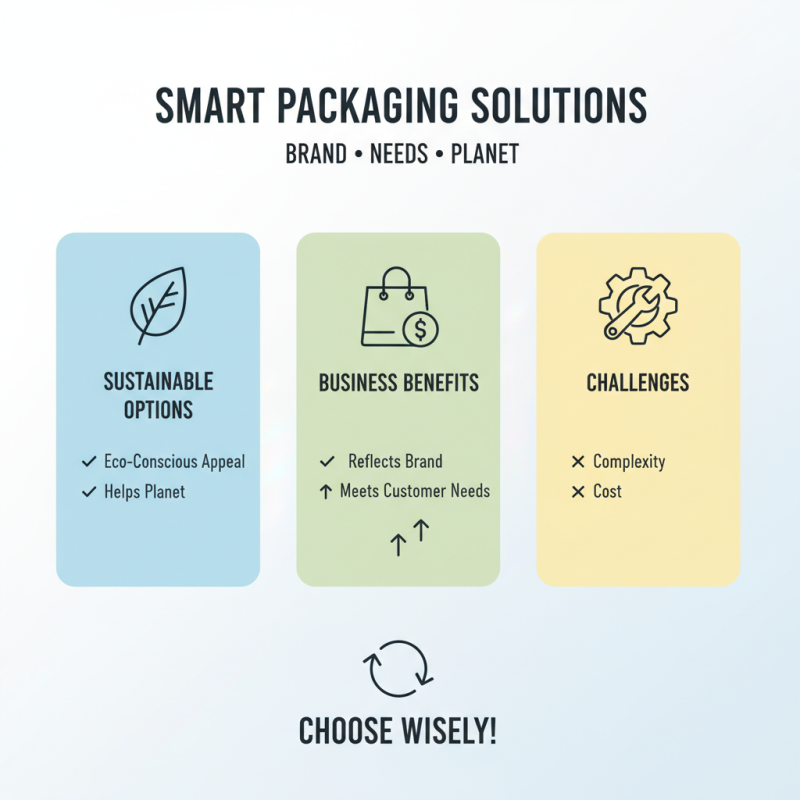
In today's fast-paced market, effective packaging solutions are crucial. Businesses must choose wisely to reflect their brand and meet customer needs. Sustainable options are increasingly popular. They appeal to eco-conscious consumers and help the planet. However, transitioning to greener materials can be complex and costly.
Custom packaging is another vital consideration. Tailoring shapes and sizes optimally protects products during shipping. It also enhances brand visibility on shelves. Yet, creating unique designs can lead to unexpected production delays. It's essential to weigh the benefits against potential hiccups.
Cost-effective solutions are always on the mind of business owners. Bulk purchasing can save money but may lead to unused stock. Finding balance is key. Packaging choices should build brand loyalty while staying efficient. This balancing act often requires careful planning and adjustment. Striving for perfection in packaging should not overlook the realities of the process.
Types of Packaging Materials: Choosing the Right Option
Choosing the right packaging materials is crucial for any business. The options are vast and can be overwhelming. According to a recent industry report, 70% of consumers say they prefer sustainable packaging. This statistic highlights the growing importance of eco-friendly materials in decision-making. Many businesses now prioritize biodegradable options to meet consumer demands.
Plastic remains a popular choice. However, its environmental impact raises concerns. Reports suggest that approximately 300 million tons of plastic are produced each year, with a significant portion ending up in landfills. Finding alternatives, such as glass or metal, may prove challenging. They can be more expensive but offer better recyclability. Evaluating costs and environmental effects is vital for long-term sustainability.
On the other hand, paper and cardboard are favored for their versatility. They are easily customizable and often biodegradable. Yet, a downside is that they might not provide the best protection for some products. Assessing product requirements is essential. Balancing aesthetics and functionality is key. Making informed decisions can lead to better packaging solutions that align with business values and customer expectations.
Innovative Packaging Technologies Transforming Industry Standards
Innovative packaging technologies are reshaping industry standards. Businesses now have access to eco-friendly materials and smart packaging solutions. These advancements enhance product visibility and improve customer engagement. For example, biodegradable options reduce waste and attract environmentally conscious consumers.
Tips: Choose materials that align with your brand values. Consider the lifecycle of your packaging. This reflection can guide better decisions.
Smart packaging includes QR codes and sensors. These features provide real-time information to consumers, creating a more interactive experience. Yet, not all businesses may harness these technologies effectively. Some struggle with integration or cost management.
Tips: Test different approaches before a large rollout. Learning from failures can lead to success. Evaluate your audience's response to new packaging innovations.
Sustainable Packaging Practices for Eco-Friendly Brands
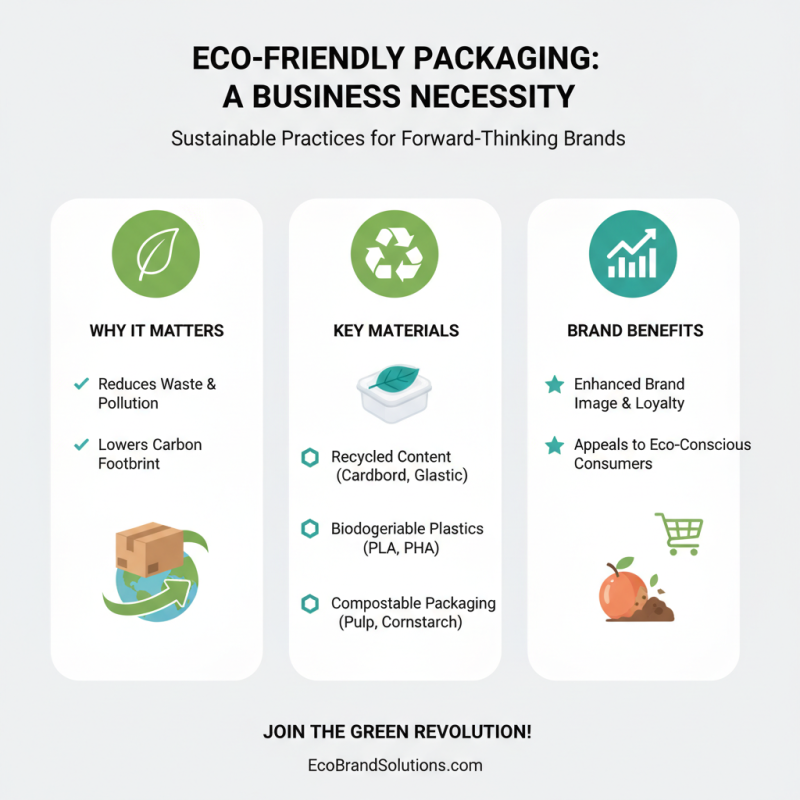
Sustainable packaging practices are essential for eco-friendly brands. Many businesses are now prioritizing environmentally responsible materials. This shift is not just a trend; it's a necessity in today’s market. Recycled materials, biodegradable plastics, and compostable packaging are gaining traction. These options reduce waste and lower carbon footprints. Companies are realizing that sustainability can enhance their brand image.
However, it’s not always easy to implement. Finding the right materials can be challenging. Some businesses struggle with cost and availability. The transition may require a shift in suppliers, which can be daunting. Not every eco-friendly option works for every product. It’s crucial to evaluate packaging for effectiveness and sustainability.
Moreover, consumer expectations are rising. Individuals are more aware of environmental issues. They seek brands that align with their values. Packaging should reflect a commitment to sustainability in every detail. Transparency about sourcing and materials is essential. Brands should be ready to communicate their efforts honestly. Challenges persist, but the journey towards sustainable packaging is worth undertaking.
Cost-Effective Packaging Strategies to Maximize Profits
Effective packaging is crucial for maximizing profits. Businesses often overlook packaging costs, which can impact margins. According to a study by the Packaging Association, nearly 25% of businesses find that packaging significantly influences consumer purchasing decisions. This impact highlights the importance of cost-effective strategies.
**Tips:** Optimize your packaging size. Smaller packages reduce material costs and shipping fees. They may improve shelf space utilization as well.
Look for sustainable materials. Nearly 70% of consumers are more likely to purchase products with eco-friendly packaging. While sustainable options can be pricier initially, they build brand loyalty and drive long-term profitability.
Additionally, consider automation in your packaging process. Reports show that automated systems can reduce labor costs by up to 30%. This change not only saves money but can also improve efficiency. Businesses must reflect on their current packaging methods. Are they truly cost-effective? Regular assessments are essential to stay competitive.