Top 10 Packaging Solutions You Need to Know?
In today's fast-paced market, effective Packaging Solutions are crucial. The global packaging industry was valued at over $900 billion in 2020. It is projected to reach $1.2 trillion by 2027, according to industry reports. This growth underscores the significance of innovative and reliable packaging methods.
Modern consumers prioritize eco-friendly options. Approximately 72% of consumers prefer sustainable packaging. This shift presents challenges for brands. Finding the right balance between sustainability and cost is essential. Many companies are still experimenting with different materials and designs to meet these evolving preferences.
While many brands adopt new Packaging Solutions, mistakes happen. Some companies fail to conduct proper market research. Others struggle with the logistics of new materials. These oversights can lead to inefficiencies and wasted resources. Industry leaders must continuously adapt to stay relevant. Understanding these complexities is key to developing effective packaging strategies.
Essential Criteria for Selecting Packaging Solutions
When selecting packaging solutions, several critical factors come into play. Understanding the nature of your product is essential. For example, fragile items require protective packaging that can absorb shock. The packaging should also be environmentally friendly, as consumers increasingly favor sustainable options. A 2021 report by Smithers noted that the global sustainable packaging market would grow to $500 billion by 2027, highlighting its rising importance.
Another key criterion is cost-effectiveness. Budget constraints can limit packaging options, forcing companies to make tough choices. Opting for cheaper materials might save money upfront. However, it could lead to higher returns due to product damage. Companies should evaluate long-term impacts on customer satisfaction and brand reputation. A packaging audit may reveal inefficiencies that can be rectified for better overall performance.
Moreover, compliance with regulations is often overlooked. Different regions have specific packaging requirements, especially for food and pharmaceuticals. Missteps in compliance can lead to costly fines or product recalls. Data from the World Packaging Organization suggests that nearly 20% of packaging fails to meet local regulations. Regular reviews and updates to packaging methods are vital to avoid such pitfalls.
Overview of Common Packaging Materials and Their Applications
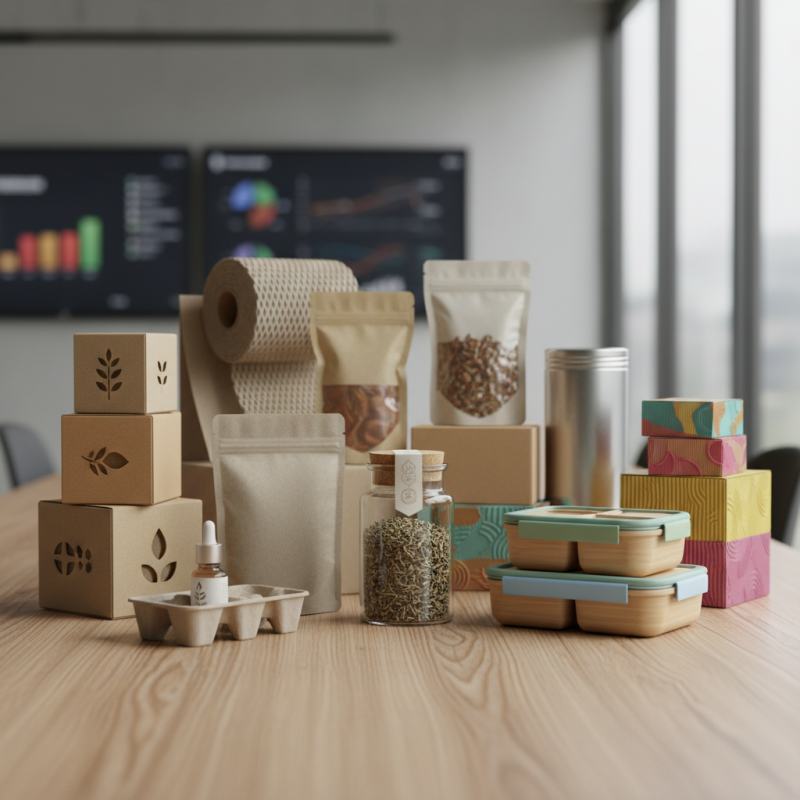
In the world of packaging, materials play a crucial role in product protection and presentation. Common options include
paper, plastic, glass, and metal.
Each material has unique advantages and suitable applications. For example, paper packaging is often biodegradable,
appealing to eco-conscious consumers. Reports show that nearly 70% of consumers favor sustainable packaging.
However, it may not provide the same durability as plastic or metal.
Plastic packaging, on the other hand, accounts for about 40%
of the global packaging market. It offers excellent barrier properties and is lightweight.
Nevertheless, concerns over environmental impact persist. Many consumers express frustration over
plastic waste, prompting a shift toward recycled materials. Innovations like biodegradable plastics are
emerging but are often not as widely accepted or understood.
Glass remains a popular choice for food and beverage industries. It preserves flavor and offers a premium feel.
However, its weight and fragility can lead to higher shipping costs and breakage during transit. Metal cans,
frequently used for beverages, are highly recyclable but can present challenges in terms of production sustainability.
An estimated 60% of aluminum cans are recycled, showcasing room for improvement in recycling rates across the industry.
Innovative Packaging Technologies Transforming the Industry
Innovative packaging technologies are reshaping industries. New materials are being developed to reduce waste and increase efficiency. For instance, biodegradable films are gaining popularity. These films break down more quickly, which is a major step toward sustainability. However, the cost of these materials remains a concern for some businesses.
Smart packaging is another exciting trend. It often includes sensors that monitor freshness. These innovations can communicate with consumers through their smartphones. This connection allows for more informed purchasing decisions. Nonetheless, there's a learning curve involved with this technology. Not all consumers will engage with such options.
Lastly, minimalist packaging is on the rise. Brands are opting for simpler designs that use fewer resources. This can reduce machine use during production. However, some worry that less eye-catching designs may affect sales. The challenge lies in finding a balance between aesthetics and sustainability in packaging.
Sustainable Packaging Solutions and Their Environmental Impact
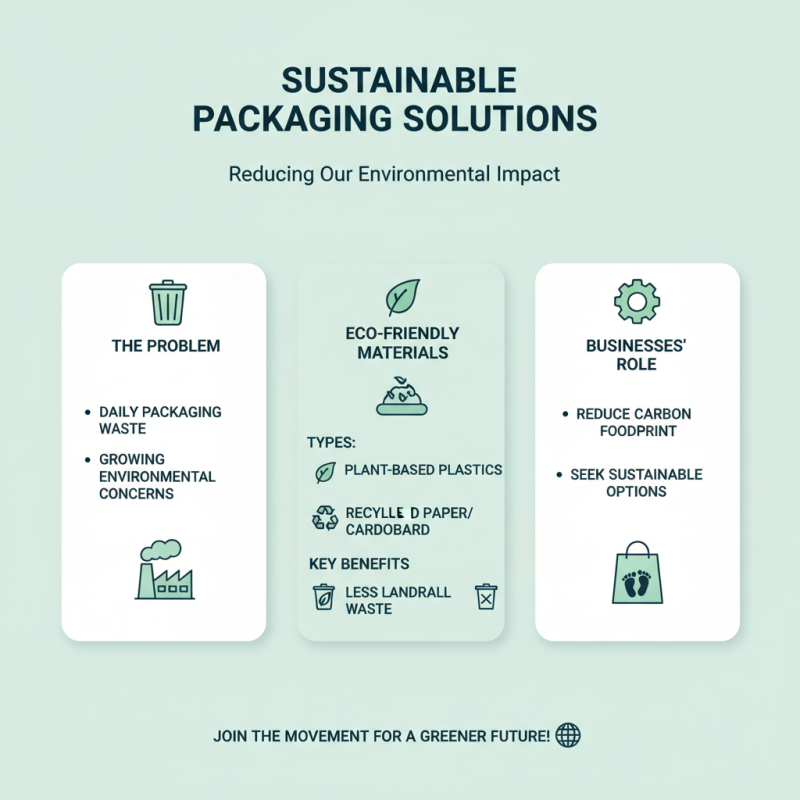
Packaging plays a crucial role in our daily lives. With growing environmental concerns, sustainable packaging has emerged as a vital solution. Many businesses seek eco-friendly materials to reduce their carbon footprint. Biodegradable options include plant-based plastics and recycled paper. These materials break down naturally, limiting landfill waste.
However, transitioning to sustainable packaging isn't without challenges. Many consumers still prefer traditional, durable options. Some materials, while eco-friendly, may not offer the same protection for products. This poses a dilemma for companies focusing on both sustainability and product safety. The balance between environmental impact and customer preferences requires ongoing reflection.
The long-term goal is to create a system that benefits both the planet and business. Innovative designs and reusability can lessen the burden on the environment. Involving customers in this journey can foster a deeper appreciation for sustainable practices. Solutions exist, but commitment and creativity are essential for meaningful change.
Key Trends in the Future of Packaging Solutions
The future of packaging solutions focuses on
sustainability and
innovation. Companies are now
prioritizing eco-friendly materials. Biodegradable packaging is gaining
popularity. This shift reduces plastic waste and lowers environmental impact.
Consumers increasingly demand green options. Brands must adapt to these changes.
Investing in smart packaging technologies is vital. This includes QR
codes and NFC tags. These tools engage customers effectively. They provide
real-time information about products. However, challenges remain in
technology adoption and cost. Companies must
weigh the benefits against the risks.
Tip: Evaluate the materials you use for packaging. Look for
alternatives that are both protective and environmentally friendly.
Automation is another key trend. It improves efficiency and reduces errors in
packaging production. Robotics streamline processes, speeding up
delivery times. But, one must consider potential job losses. Striking a balance
between technology and human jobs is essential.
Tip: Regularly analyze your packaging processes for potential
improvements. Even small changes can lead to
greater efficiency.