Top Packing Packages for Global Buyers What to Consider?
In today's fast-paced global market, the significance of carefully selecting packing packages cannot be overlooked. A report by the Global Packaging Alliance highlights that over 30% of product damage is attributed to poor packaging. This statistic emphasizes the pivotal role of quality packing packages in ensuring product safety and customer satisfaction. Experts like Dr. Emily Thompson, a leading authority in packaging technology, assert, "The right packing packages not only protect goods but also enhance brand perception."
When global buyers consider packing solutions, factors such as material quality, sustainability, and design innovation become crucial. Effective packing packages must withstand diverse shipping conditions while also appealing to environmentally conscious consumers. As market trends evolve, the demand for sustainable materials continues to rise, with a recent study indicating that 60% of consumers prefer brands that prioritize eco-friendly packaging.
Despite advancements, the quest for ideal packing solutions is not without challenges. Many businesses struggle to balance cost and quality. It raises questions about whether efficiency truly meets the needs of modern shipping. Consequently, thorough research and analysis are essential to identify the best packing packages tailored to specific market demands.

Choosing the Right Packaging Materials for Global Shipping
When choosing packaging materials for global shipping, businesses must prioritize durability and cost-effectiveness. According to a 2022 report by the Packaging Association, around 60% of product damage during transit occurs due to inadequate packaging. This statistic highlights the importance of selecting the right materials to protect goods throughout their journey.
It’s essential to consider the type of items being shipped. Fragile goods may require extra cushioning, whereas bulkier items could be securely packed with recycled materials. In a recent survey, 70% of logistics professionals stated that sustainable packaging solutions not only reduce waste but also enhance brand reputation. However, balancing sustainability with functionality can be tricky. Some companies may overestimate their ability to innovate while underestimating the operational costs involved.
Temperature fluctuations and moisture can also affect packaging integrity. A 2021 study noted that 25% of businesses faced shipping delays due to packaging failures caused by climate conditions. Therefore, investing in high-quality, climate-resistant materials is crucial. While it can be tempting to cut costs, the long-term implications of damage and returns could outweigh initial savings. Adapting packaging strategies to meet various shipping environments is vital for global trade success.
Understanding Different Types of Packaging Options Available
When considering packing options, it’s essential to understand the
various types available. Each
packaging type serves a unique purpose and caters to different products. For instance,
flexible packaging is
lightweight and adaptable. It’s easy to transport and can save costs.
Rigid packaging, like boxes and jars,
offers sturdiness and protection. These materials can be more expensive but provide an
appealing structure.
Sustainable packaging has gained popularity recently. Using biodegradable or recyclable materials can enhance your brand's image. Consumers increasingly prefer
eco-friendly choices. However, finding the right balance between sustainability and functionality is
often challenging. Some eco-friendly options may not provide the same level of protection as
traditional materials. This raises questions about product safety and
shelf life.
To navigate these choices, engage with suppliers and gather samples.
Examining the materials and their durability can reshape your strategy.
It’s vital to reflect on your product's needs and your target market's preferences.
Proper research leads to informed decisions.
Also, consider local regulations regarding packaging materials. This knowledge helps ensure
compliance and enhances brand trust.
Key Factors to Consider When Selecting Packing Packages
When selecting packing packages, various key factors demand attention. Material choice is crucial. Different materials impact durability and cost. For fragile items, cushioning materials work best. In contrast, lightweight options may suit non-perishable goods. The right balance between strength and weight can save on shipping costs.
Size and dimensions also play a significant role. An oversized package wastes space and increases expenses. Conversely, too small a package risks damage. Accurate measurements lead to better protection and shipping efficiency. Customizable packages might be an option for unique products.
Sustainability is another area worth pondering. Eco-friendly materials are now widely available. Consumers increasingly prefer environmentally conscious choices. However, the transition to sustainable packaging can complicate supply chains. Balancing eco-friendliness with performance demands careful thought. These considerations shape not just the products we sell but also our brand's reputation in today's market.
Top Packing Packages for Global Buyers: Key Factors to Consider
Sustainability and Environmental Impact in Packaging Choices
Sustainability is a pressing concern in today’s packaging choices. As global buyers, it’s vital to prioritize eco-friendly options. Packaging choices directly affect the environment, impacting everything from resource depletion to waste management. Opting for recyclable and biodegradable materials can significantly reduce your ecological footprint.
Here are some tips to consider:
- Research local recycling facilities. Know what materials are accepted in your area.
- Explore alternatives to plastic, such as glass or metal, which can be reused.
Incorporating sustainable practices in packaging is not always straightforward. Many companies face challenges in sourcing sustainable materials. Costs can be higher, and market availability may vary. Reflecting on these issues helps buyers make informed choices.
Think about life cycle analysis. Understanding the total environmental impact of materials can guide your decisions. This ensures that sustainability goes beyond surface-level efforts and allows for truly impactful changes. Each choice you make contributes to a larger cause.
Top Packing Packages for Global Buyers What to Consider? - Sustainability and Environmental Impact in Packaging Choices
| Package Type |
Material |
Recyclable |
Biodegradable |
Carbon Footprint (kg CO2e per 1000 units) |
| Cardboard Box |
100% Recycled Paper |
Yes |
Yes |
250 |
| Plastic Wrap |
LDPE |
Limited |
No |
1500 |
| Glass Jar |
Recycled Glass |
Yes |
Yes |
300 |
| Biopolymer Bag |
PLA |
Yes |
Yes |
800 |
| Metal Can |
Aluminum |
Yes |
No |
500 |
Cost-Effectiveness and Budget Considerations for Buyers
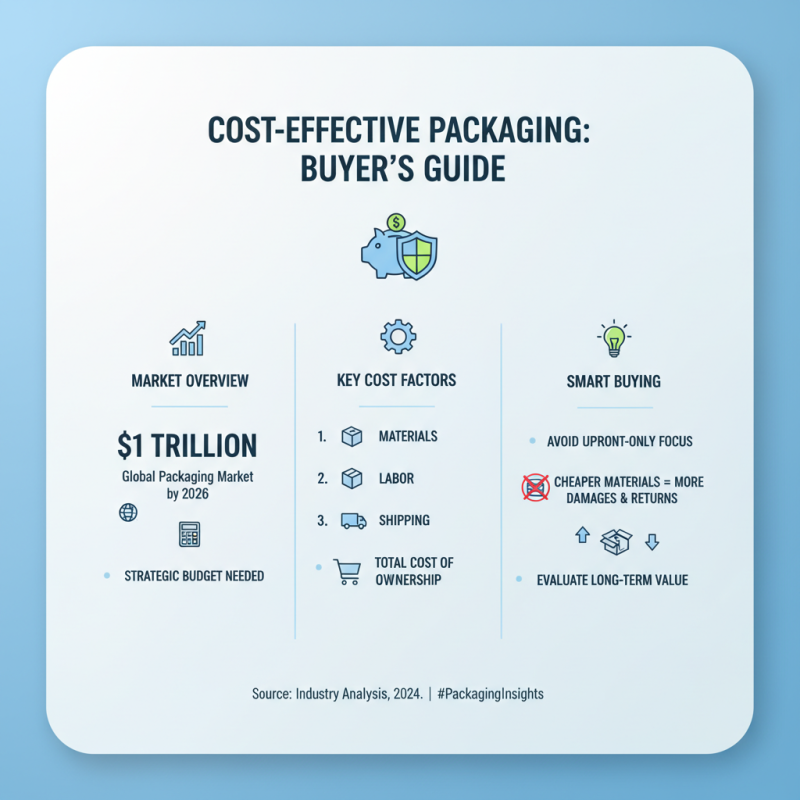
When selecting packing packages, cost-effectiveness remains a crucial factor for global buyers. Analysts project that the global packaging market will reach $1 trillion by 2026, emphasizing the need for a strategic budget. Effective cost management entails understanding material costs, labor, and shipping fees. Buyers should evaluate the total cost of ownership rather than just upfront expenses. While cheaper materials might seem appealing, they often lead to increased returns due to damages.
Assessing bulk purchasing options can provide extra savings. Reports suggest bulk purchases can reduce costs by up to 15%. However, larger quantities may also require higher initial investments. Buyers should balance their cash flow against potential savings. Additionally, regional factors can influence pricing. For example, materials sourced from local suppliers may mitigate shipping costs. It's vital to analyze the supply chain thoroughly, as hidden costs can emerge.
One must also weigh potential trade-offs. Investing in sustainable packaging often incurs higher initial costs. Yet, it can enhance brand loyalty and meet consumer demand for eco-friendly products. Furthermore, thorough market research is essential. Understanding customer preferences can yield insights into the most effective packaging solutions. Ultimately, aligning budget considerations with long-term goals is crucial for informed decision-making.