Top Specialized Boxes for Every Need and Purpose?
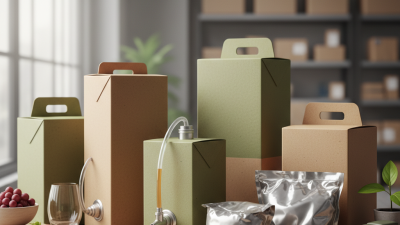
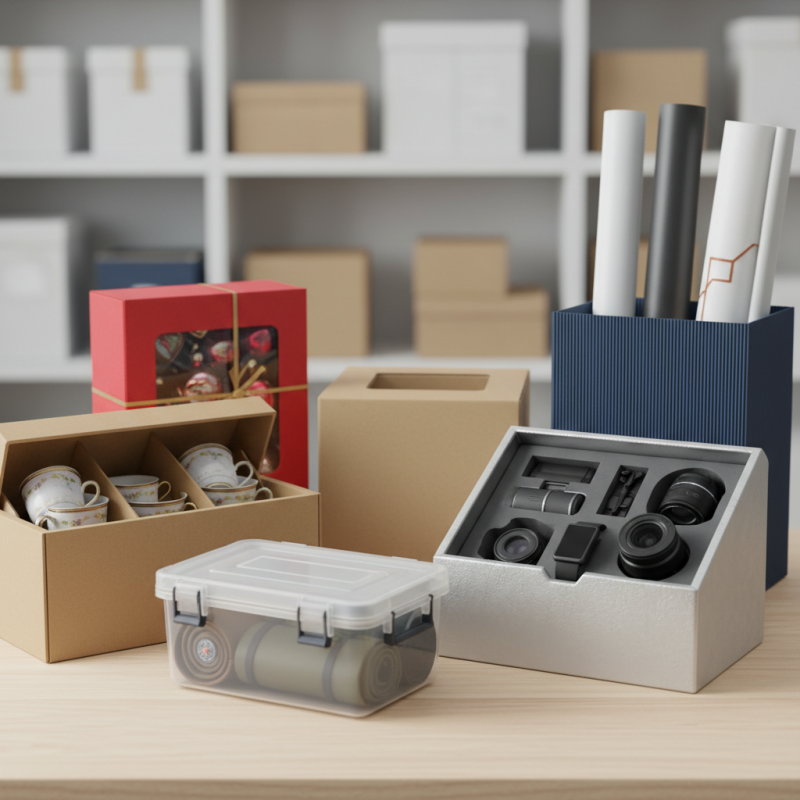
In today's diverse world, the need for Specialized Boxes has never been greater. These boxes serve various purposes, from storage to shipment. Each design is made to cater to specific needs, making them crucial for businesses and individuals alike. Imagine a perfectly designed box that fits snugly around fragile items or a waterproof container for outdoor gear.
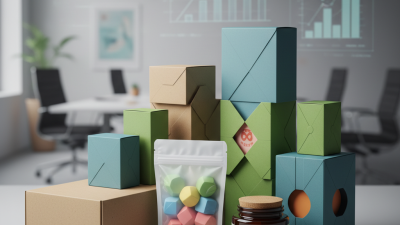
Specialized Boxes come in many shapes and sizes. Some cater to tech gadgets, while others are made for seasonal decorations. The versatility of these boxes is both a strength and a challenge. In a crowded market, choosing the right box often leads to confusion. It's a journey that requires reflection and careful consideration.
Not every box is created equal, and sometimes, mistakes happen. A poorly chosen box can lead to damaged goods or wasted space. Understanding these outcomes is essential for anyone in search of the perfect solution. With the right knowledge, selecting the ideal Specialized Box can transform your packing and storage experience.
Essential Features to Consider in Specialized Boxes
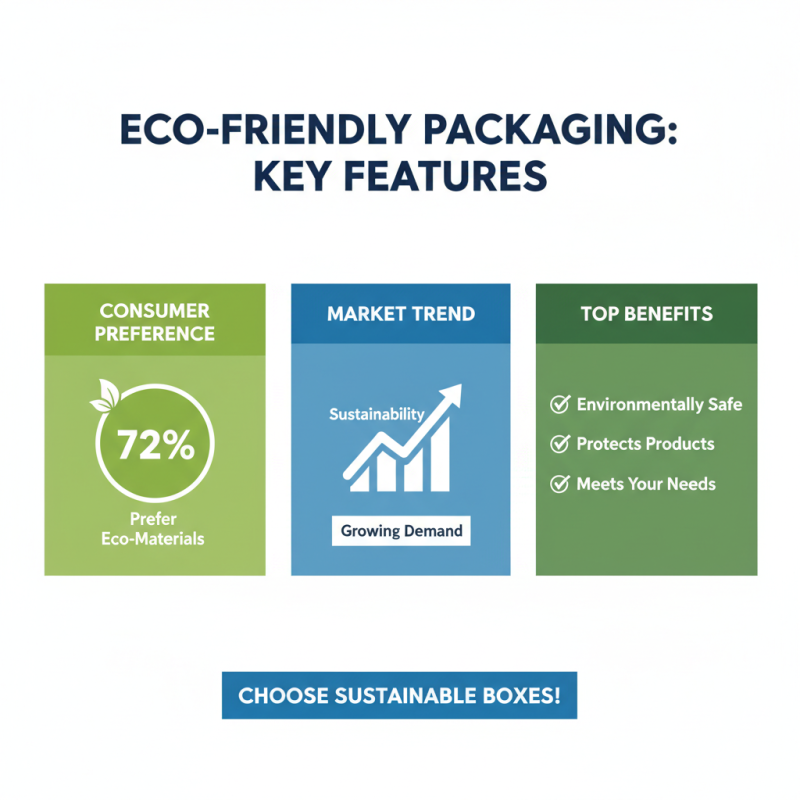
When considering specialized boxes, it's crucial to know what features matter most. A recent market report indicated that 72% of consumers prefer boxes made from eco-friendly materials. This trend highlights the importance of sustainability. Choose boxes that protect the environment while meeting your needs.
Size and compatibility are also important factors. Specialized boxes need to fit their contents perfectly. A study noted that 50% of users faced issues due to poor sizing. This highlights that underestimating dimensions can lead to packaging failures. Take precise measurements to avoid such pitfalls.
**Tip**: Always test your box design before mass production. Experimenting helps you identify flaws early. Small changes can make a big difference in functionality.
Moreover, durability plays a key role. Reports show that boxes withstand varying pressures, which can vary based on the materials used. This means that not all boxes are equally strong. Consider your box's purpose when selecting materials. Reflect on whether it's truly durable enough for your need.
Types of Specialized Boxes for Different Industries
Specialized boxes serve diverse needs across various industries. From food and pharmaceuticals to electronics and shipping, each sector demands unique packaging solutions. For example, temperature-controlled boxes are essential for transporting vaccines. These boxes maintain the right temperature during transit, ensuring product integrity. In the food industry, airtight containers keep perishables fresh longer.
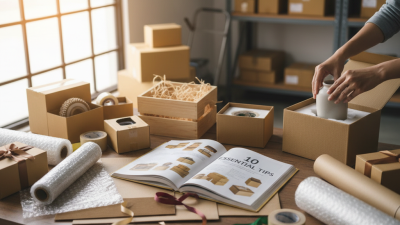
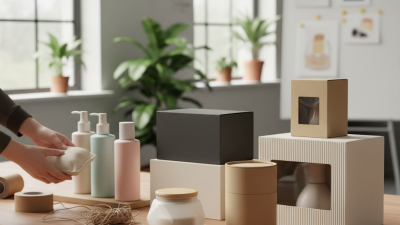
When choosing a specialized box, consider the product's fragility. Some items need extra cushioning. Bubble wrap or foam inserts can play a critical role. Remember that aesthetics also matter. A visually appealing box can enhance the brand image. However, mistakes happen in design choices. Always review prototypes before final production.
Tips: Test your chosen box in real conditions. It helps identify weaknesses. In addition, don’t overlook sustainability. Eco-friendly materials are becoming crucial in many industries. Reflect on the environmental impact of your packaging choices. It’s a step toward responsible practices.
Benefits of Using Custom Packaging Solutions
In today's market, custom packaging solutions offer significant advantages. According to a recent report, 72% of consumers prefer packaging that reflects brand values. This preference can lead to increased loyalty and engagement. Custom boxes not only enhance aesthetics but also provide better protection for products. Well-designed packaging can reduce damage during transportation, saving businesses money on replacements.
Moreover, sustainability is a growing concern. Studies show that 67% of consumers are willing to pay more for eco-friendly packaging. Custom solutions can utilize recycled materials, minimizing environmental impact. However, the challenge lies in maintaining cost-effectiveness while ensuring quality. Some companies struggle to find the right balance.
Effective packaging should also consider user experience. A complicated unboxing can frustrate customers. An easy-to-open design can elevate the overall impression of a product. As more brands realize these benefits, the competition intensifies. Companies must continually innovate to meet consumer expectations. Custom packaging represents both a marketing tool and a necessity in a crowded marketplace.
Top Specialized Boxes for Every Need and Purpose
| Box Type |
Material |
Weight Capacity |
Best For |
Customization Options |
| Corrugated Box |
Recycled Paperboard |
Up to 65 lbs |
Shipping and Storage |
Print, Size, Closure Type |
| Rigid Box |
Thick Paperboard |
Up to 50 lbs |
High-end Products |
Foil Stamping, Embossing |
| Folding Carton |
Coated Paperboard |
Up to 20 lbs |
Retail Products |
Custom Print, Window Patching |
| Mailer Box |
Kraft Paper |
Up to 30 lbs |
E-Commerce Shipping |
Size, Color |
| Padded Mailer |
Bubble Wrap Lined |
Up to 5 lbs |
Fragile Items |
Custom Sizes, Prints |
How to Choose the Right Specialized Box for Your Needs
Choosing the right specialized box can be a daunting task. Consider what you need to store. Different items require different types of storage solutions. For example, delicate items may need padded boxes, while heavier tools might require sturdy, reinforced options. Think about the size as well. A box that is too small can cause issues, while an oversized one leads to wasted space.
It’s also important to reflect on the environment where the box will be used. Will it be kept indoors or outdoors? Outdoor storage needs weather-resistant materials. However, aesthetics can also play a role. Clear boxes allow easy visibility, while opaque options keep contents hidden. Assess your personal priorities. If you value organization, consider stackable boxes. If flexibility is essential, modular designs might work better.
Don’t forget to think about what you might overlook. Many people forget to consider ease of access. A box that looks great may be hard to open. Think about the balance between form and function. It may take time to find what suits you best. You might end up buying several types before discovering what really works. Each choice teaches you something new.
Top Specialized Boxes for Every Need and Purpose
Innovative Trends in Box Design and Material Used
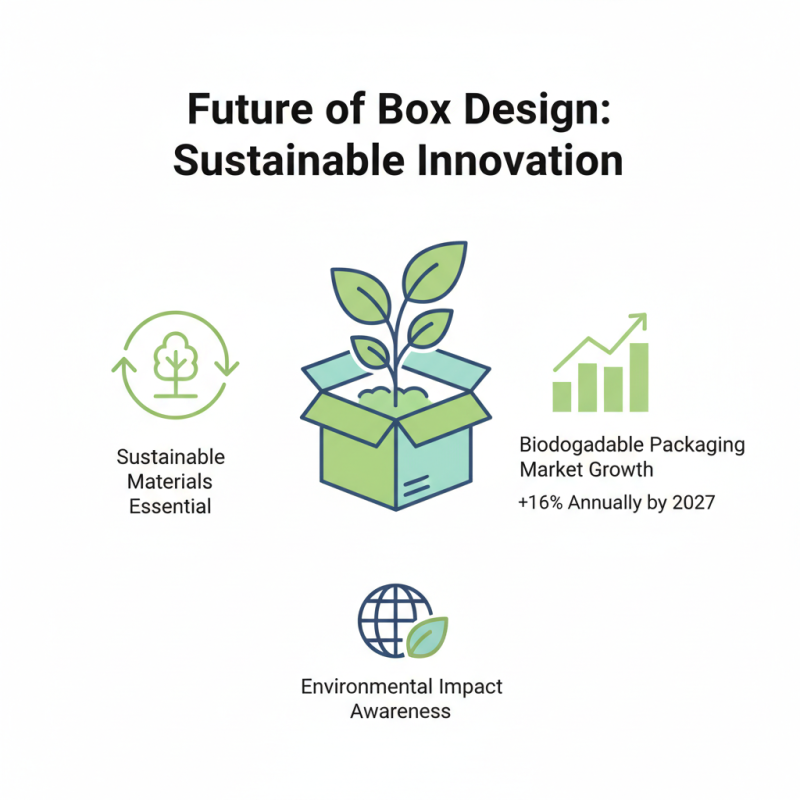
In recent years, the box design industry has witnessed exciting innovations. Sustainable materials have become essential. For example, the market for biodegradable packaging is projected to grow by 16% annually until 2027. This shift reflects a growing awareness of environmental impact.
Moreover, unique shapes and versatile designs have gained popularity. Custom-sized boxes can optimize space and reduce shipping costs. Nearly 70% of consumers prefer brands that use eco-friendly packaging. Minimalist designs catch the eye while conveying brand values clearly. There is a balance to achieve here—maintaining aesthetics while being functional.
Yet, there are challenges. Many companies struggle with sourcing sustainable materials. Quality assurance remains a pressing issue. Sometimes, cheaper materials compromise sturdiness. Brands must navigate these hurdles carefully. They need to invest in continuous research for innovative solutions. The future of box design promises creativity and responsibility.