Top 10 Tips for Efficiently Packing Packages for Shipping
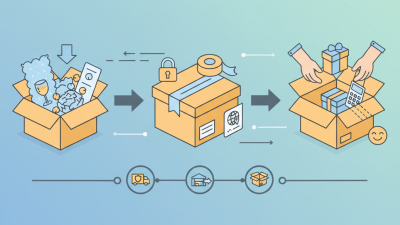
Packing packages for shipping can be a daunting task. An effective approach is essential to ensure safe delivery. Each package carries its own unique requirements. Understanding these needs helps minimize damages and delays.
When preparing for shipping, consider the size and weight of your items. Selecting the right materials for packing packages is crucial. Use strong boxes and quality cushioning to secure your products. Inconsistent packing can lead to breakage or loss.
Many underestimate the importance of proper labeling. Clear identification can prevent shipping errors. Mistakes happen, but attention to detail can drastically reduce them. Implementing simple strategies can enhance your packing efficiency. Embrace these tips to streamline your shipping process.
Understanding the Importance of Proper Packaging for Shipping Efficiency
Efficient packaging plays a crucial role in the shipping process. Proper packaging reduces the risk of damage during transit. It also ensures that items arrive at their destinations safely. When choosing materials, consider the weight and fragility of the items. Use sturdy, high-quality boxes that can withstand pressure. Never underestimate the power of cushioning. Bubble wrap or packing peanuts can make a big difference.
Another critical aspect is labeling. Clear, accurate labels help prevent delays and mix-ups. They should be easy to read and placed securely on the package. Sometimes, packages are mishandled due to poor labeling. Reflecting on your previous shipping experiences can guide improvements. Have any packages arrived damaged? Understanding past issues helps refine your approach.
While efficiency is essential, you must also strike a balance with sustainability. Using recyclable materials can be beneficial for the environment. Yet, many struggle to find the right recyclable options. This inconsistency creates a dilemma. A thoughtful packing process benefits not just the sender but the recipient too. Addressing these details reflects a commitment to quality and care.
Top 10 Tips for Efficiently Packing Packages for Shipping
| Tip No. |
Packing Tip |
Importance |
| 1 |
Choose the Right Box Size |
Minimizes shipping costs and prevents damage. |
| 2 |
Cushion Fragile Items |
Reduces the risk of breakage during transit. |
| 3 |
Seal Boxes with Strong Tape |
Ensures boxes stay closed and items are secure. |
| 4 |
Label Packages Clearly |
Facilitates delivery and reduces misrouting. |
| 5 |
Use Eco-Friendly Materials |
Supports sustainability and may lower costs. |
| 6 |
Double-Check Address Information |
Prevents delays and returns due to incorrect addresses. |
| 7 |
Avoid Overpacking |
Reduces costs and environmental impact. |
| 8 |
Consider Weather Conditions |
Protects items from damage due to extreme weather. |
| 9 |
Track Your Shipments |
Ensures peace of mind and timely delivery. |
| 10 |
Plan for Returns |
Facilitates hassle-free returns for customers. |
Choosing the Right Packing Materials to Minimize Damage and Costs
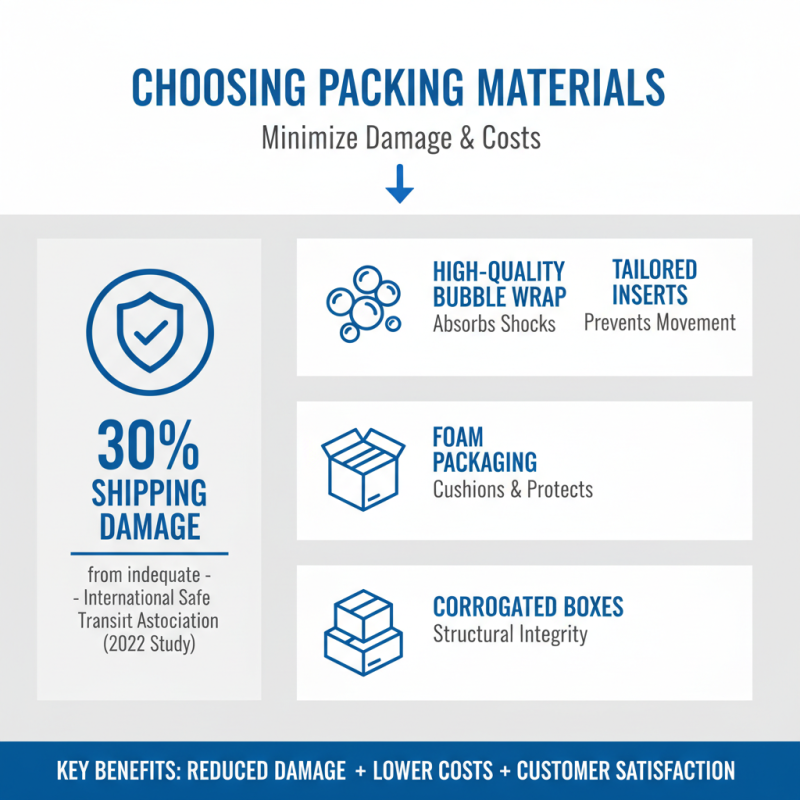
When packing for shipping, selecting the right materials can significantly reduce damage and costs. According to a 2022 study by the International Safe Transit Association, 30% of shipping damage arises from inadequate packing methods. This statistic highlights the crucial role of proper material selection. Using high-quality bubble wrap or foam can absorb shocks effectively, ensuring items arrive intact. Corrugated boxes add structural integrity and tailored inserts can prevent movement.
The cost-effectiveness of packing materials is another vital consideration. A report from Smithers Pira indicates that businesses can save up to 20% on shipping costs by using optimized packaging solutions. By choosing lightweight materials that still provide protection, companies can lower their shipping fees. Corrugated options often reduce shipping weights, minimizing costs without compromising safety. Opting for biodegradable packing peanuts can also demonstrate environmental responsibility while keeping expenses manageable.
Reflecting on packing processes can reveal gaps in efficiency. Not all materials are suitable for every item. For instance, fragile products may need multiple layers of protection, while others can be shipped with minimal cushioning. Regular audits of packaging strategies will uncover potential improvements. Adopting a trial-and-error approach helps refine packing methods over time. Always remember, the goal is to balance protection with cost.
Optimizing Package Dimensions to Reduce Shipping Fees by 30%
Optimizing package dimensions is crucial for reducing shipping fees. Many people overlook the importance of choosing the right box size. Boxes that are too large can lead to extra charges. Aim for snug fits that protect your items without wasted space.
Consider the weight and fragility of each item. Use lightweight materials for packing, but ensure they are sturdy enough to protect your goods. Sometimes, a smaller box can save more than just space; it directly impacts your shipping costs. Tools like dimensioning apps can help measure your packages accurately.
Always double-check your dimensions before shipping. Common mistakes include measuring twice and still getting it wrong. Re-evaluate your packing process regularly. It may feel tedious, but refining this step can yield significant savings. Packing effectively requires practice. You can’t rush it. A little more thought could mean more savings in the long run.
Implementing Multi-Layer Protection Techniques for Fragile Items
When shipping fragile items, employing multi-layer protection techniques is crucial. According to a report by the Packaging Institute, about 30% of products sustain damage during transit. This statistic highlights the importance of efficient packing methods. Using multiple layers of protective materials can greatly reduce the risk of damage.
Start with a sturdy outer box. It serves as the first layer of defense. Adding a layer of bubble wrap or foam can absorb shocks. Ensure that there is minimal movement inside the box. A snug fit is essential. Options like packing peanuts or crumpled paper can fill empty spaces. These choices are not only cost-effective but also environmentally friendly.
Though these methods are effective, overpacking can backfire. Too much filler can create pressure points, potentially damaging items. Additionally, it is easy to neglect certain areas during packing. Regularly reviewing packing processes can help identify flaws. A small adjustment can make all the difference in ensuring safe delivery.
Utilizing Software Tools for Streamlined Packing and Shipping Processes
Efficient packing and shipping are crucial for businesses. Utilizing software tools can drastically improve these processes. A recent report by the National Retail Federation points to a 20% reduction in packing time when automated systems are used. This efficiency is vital. It can save costs and enhance customer satisfaction.
Many companies have adopted cloud-based solutions for managing packing lists and shipping labels. These platforms allow real-time updates, enabling staff to make informed decisions on the spot. According to a 2021 industry survey, 76% of businesses using software tools for shipping reported higher accuracy in order fulfillment. This directly impacts the bottom line. Errors can lead to increased returns and unhappy customers.
However, some organizations struggle with software integration. They find it hard to blend new tools with existing processes. This disconnect can cause delays and chaos during peak shipping seasons. Regular training sessions can help mitigate these issues. Yet, many companies overlook this vital aspect, focusing only on the tools rather than the training behind them. Addressing these challenges is necessary for maximizing efficiency in shipping operations.
Top 10 Tips for Efficiently Packing Packages for Shipping