Top Types of Containers for Packing Your Goods Efficiently?
When it comes to shipping and logistics, choosing the right "Container For Packing" is essential. According to logistics expert Laura Johnson, “The right container not only protects your goods but also saves costs significantly.” Her advice highlights the importance of making informed choices in packaging.
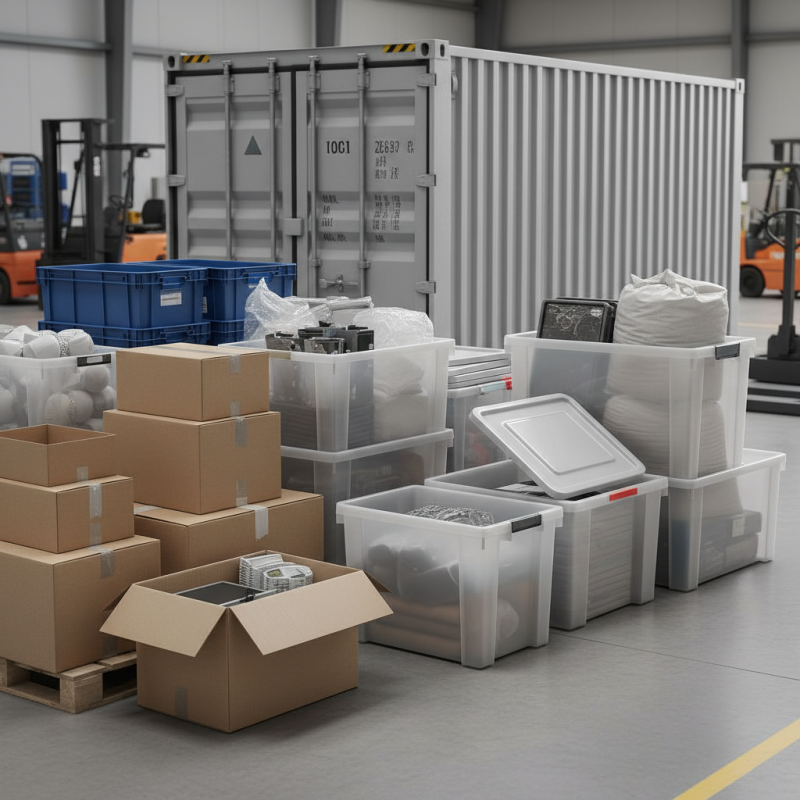
Various types of containers are available for different needs. Some are rigid and sturdy, while others are flexible and lightweight. Cardboard boxes are often used for their convenience, but they may not always be best for fragile items. Additionally, plastic containers offer durability but can be more expensive. Finding balance can be tricky.
Packaging efficiency matters, especially in a competitive market. A poorly chosen container can lead to damaged goods. This reality forces many to reconsider their packing strategies. Each type of container has merits and drawbacks. Continuous learning and adaptation are needed. Understanding individual needs is key for better outcomes.
Types of Containers: An Overview of Efficient Packing Solutions
When packing goods efficiently, choosing the right container is crucial. Different types serve various needs. For example, rigid containers like boxes and crates offer durability. According to a 2022 logistics report, about 30% of warehouse inefficiencies come from improper packaging. This shows the importance of selecting containers that fit cargo sizes and weights.
Flexible containers, such as bags and pouches, also play a significant role. They are lightweight and often more cost-effective. Data from the Packaging Institute indicates that flexible packaging can reduce material usage by up to 30%. Yet, they may not provide the same level of protection as rigid options. It's important to consider the trade-offs.
Lastly, bulk containers, such as pallets and tanks, are ideal for large quantities. These containers promote better space utilization. A 2023 survey revealed that companies using bulk containers report a 15% increase in storage efficiency. However, investing in bulk options can be costly initially. Each choice carries implications that require careful consideration.
Top Types of Containers for Packing Your Goods Efficiently
Benefits of Using Plastic vs. Cardboard Containers for Shipping
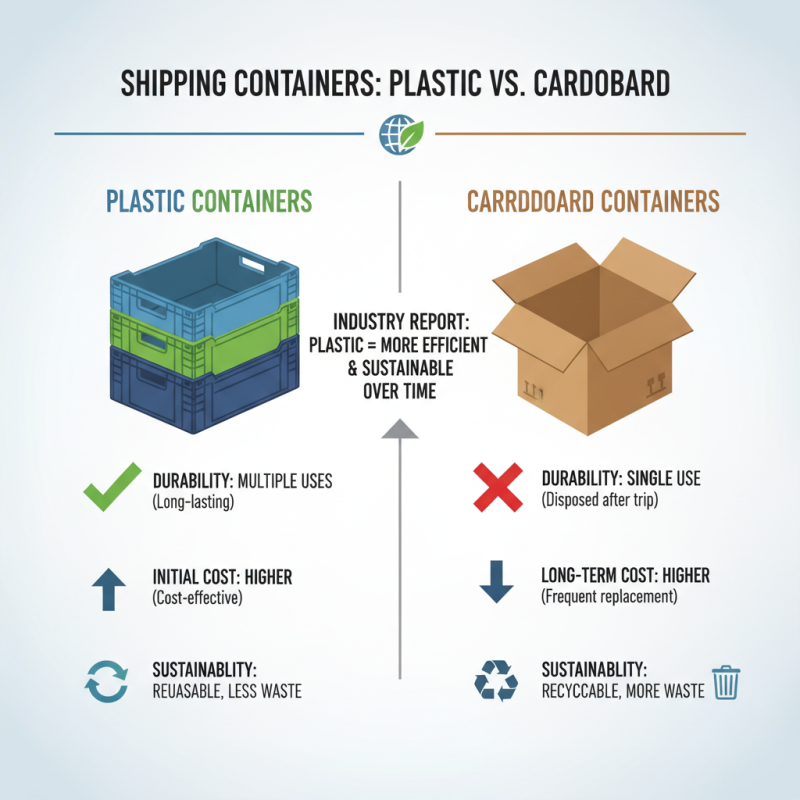
When it comes to shipping goods, the choice between plastic and cardboard containers can greatly impact efficiency and sustainability. A recent industry report highlighted that plastic containers, though initially more expensive, can last significantly longer than cardboard. In fact, plastic can withstand multiple shipping cycles, while cardboard often needs replacement after a single use. This durability leads to cost benefits in the long run.
Plastic containers are also waterproof and resistant to various environmental factors. According to the International Journal of Logistics Management, over 30% of goods damaged during transit stem from inadequate packaging. With plastic, the risk of moisture damage is minimized. However, it’s essential to note that plastic containers can be more challenging to recycle, leading to ongoing discussions about environmental impacts.
On the other hand, cardboard containers are lightweight and biodegradable. They are often seen as an eco-friendlier option. Research indicates that approximately 70% of consumers prefer cardboard due to its recyclability. Still, the strength of cardboard can vary, and using it for heavy items might result in failures. Balancing these pros and cons is crucial for businesses looking to optimize their shipping processes.
Choosing the Right Size: How to Maximize Space in Your Containers
Maximizing space in your containers is essential for efficient packing. The right size can make all the difference. Research shows that nearly 30% of shipping costs come from poorly packed items. This highlights the importance of choosing suitable container sizes.
For instance, consider utilizing cubic containers. They provide a straightforward way to stack items efficiently. If an item doesn’t fit snugly, gaps can waste space. Stackable bins or modular boxes can enhance this strategy. Up to 25% more space can be saved when using containers designed for stacking.
Do keep in mind that there’s a balance to strike. Overpacking can lead to damaged goods. Space may be wasted if items shift during transit. Finding the ideal overlap between volume and protection is tricky. The goal is to achieve stability while using every inch effectively. A little planning can yield significant benefits.
Top Types of Containers for Packing Your Goods Efficiently
| Container Type |
Size (L x W x H) |
Capacity (Cubic Feet) |
Best for |
Material |
| Cardboard Box |
12" x 12" x 12" |
1.0 |
Lightweight items |
Recycled paper |
| Plastic Tote |
24" x 16" x 12" |
2.0 |
Furniture |
Polyethylene |
| Wooden Crate |
30" x 20" x 20" |
5.0 |
Heavy items |
Wood |
| Metal Container |
48" x 24" x 24" |
8.0 |
Industrial goods |
Steel |
| Bubble Wrap Envelope |
10" x 14" |
0.5 |
Fragile items |
Plastic |
Specialized Containers for Fragile and Delicate Goods
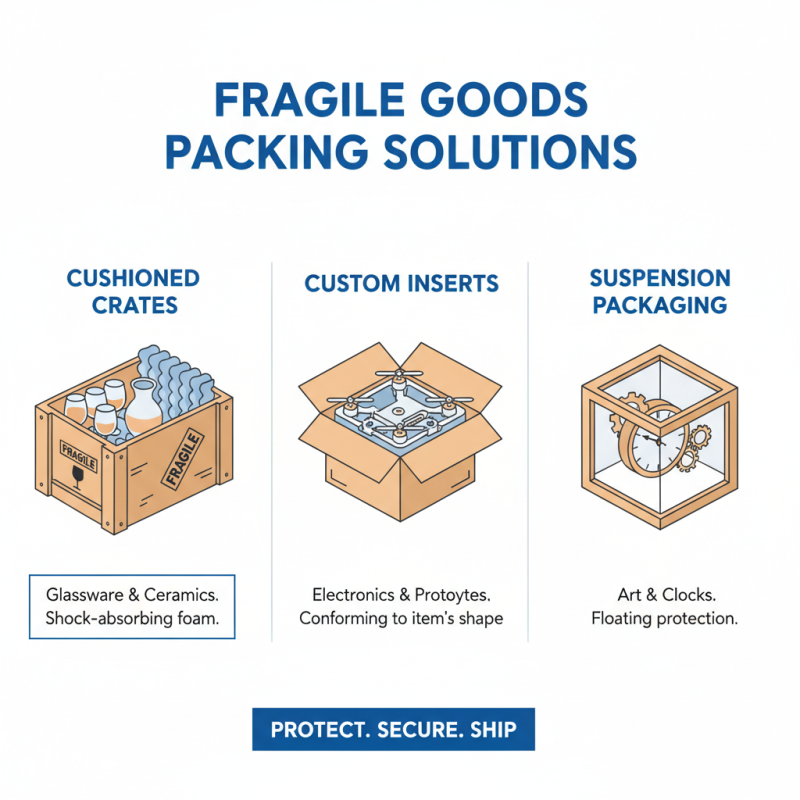
When it comes to packing fragile and delicate goods, specialized containers are crucial. These containers come in various shapes and sizes. They are designed to absorb shocks and prevent damage. For instance, cushioned crates can hold glassware or ceramics securely. These crates often feature foam padding, reducing the risk of breakage.
Another option is polyethylene bags filled with air. They offer lightweight protection for items like electronics. These bags conform to the shape of the goods, offering a snug fit. Using sturdy boxes with reinforced corners can also work well. However, be cautious; not all boxes provide the same level of protection.
It’s important to reflect on your needs. Sometimes, the best container might not be the one you think. A simple cardboard box may seem adequate, but it could fail to protect your items in transit. Evaluate your choices carefully. A well-chosen container can make all the difference in keeping your fragile items safe and sound during shipping.
Eco-Friendly Packaging Options: Sustainable Choices for Your Business
Eco-friendly packaging is becoming essential for businesses. Consumers now prefer options that are kind to the planet. Choosing sustainable packaging can attract eco-conscious customers, making your brand more appealing.
Biodegradable materials are a great choice. They break down naturally, reducing landfill waste. For instance, packaging made from cornstarch or sugarcane is gaining popularity. These materials can effectively protect your products while being gentle on the environment.
Recycled cardboard is another excellent alternative. It’s sturdy and meets various shipping needs. However, sourcing this material can sometimes be a challenge. Businesses must ensure their suppliers adhere to sustainability practices. Investing in eco-friendly options may feel overwhelming at first. But, with careful planning, it can lead to positive outcomes for your brand and the environment.