request to quote
Leave Your Message

2026 Best Bag in Box Packaging for Global Buyers

For global buyers, choosing Bag In Box Packaging is not simply a search for the lowest carton price. It is a system decision. The pouch, barrier layers, tap, outer case, filling line, and shipping route must work together. A small mismatch can cause leaks, slow filling, or product loss during transit.

Packaging author Walter Soroka defines packaging as “the science, art, and technology of enclosing or protecting products for distribution, storage, sale, and use.” That definition is useful here: buyers must assess the whole package, not just its visible box. Bag-in-box formats can reduce packaging weight and support efficient handling, but results depend on product, design, and logistics. No single format suits every supply chain.

Look closely at the product’s sensitivity to oxygen and light. Check film structure, fitment compatibility, fill volume, and pallet stability. Ask suppliers for technical data, sample packs, and test results relevant to your own filling and transport conditions. A sample on a clean desk proves little. A trial run is better.

Regional recycling systems and packaging requirements also vary, so confirm local expectations before placing a large order. Compare total delivered cost, not just unit price. This takes more work. It can prevent costly surprises. Even careful buyers may miss a detail, especially when specifications differ between suppliers. A clear checklist helps—but it cannot replace practical testing.
2026 Best Bag in Box Packaging for Global Buyers

What Bag-in-Box Packaging Is and How Its Components Work

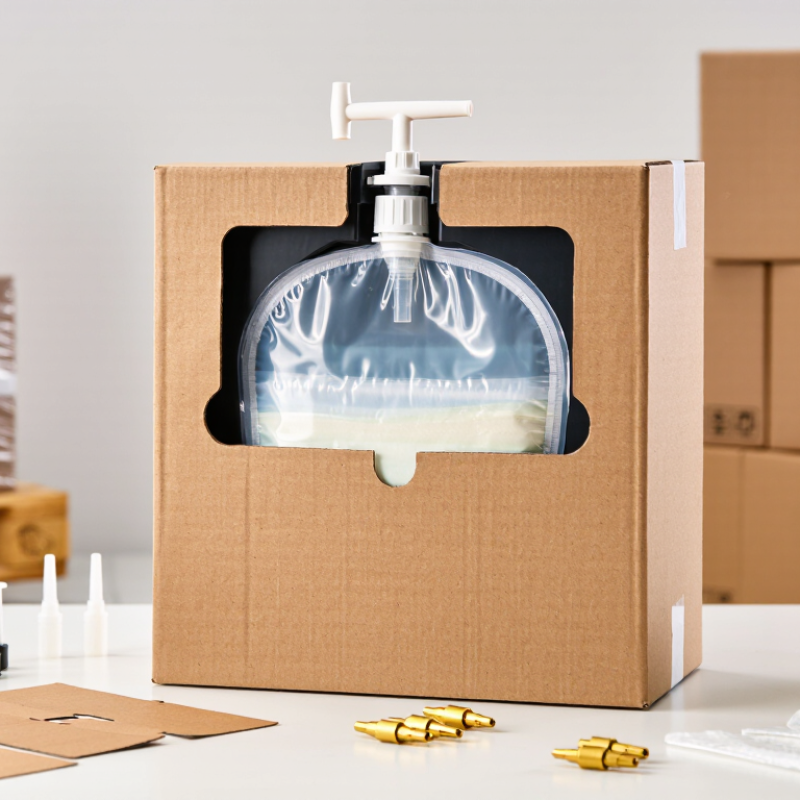
Bag-in-box packaging combines a sturdy outer carton with a flexible inner bag and dispensing fitment. The carton helps resist knocks and makes stacking easier. The bag holds the product, while its material layers are selected to manage oxygen, moisture, and light exposure. A tap or valve controls pouring. As liquid leaves, the bag collapses, limiting air entering through the package. Not every bag-in-box system is aseptic; filling conditions and barrier design must match the product.

The components work as a system, not as separate upgrades. The Flexible Packaging Association’s 2023 State of the Flexible Packaging Industry report estimated U.S. industry sales at $42.9 billion in 2022. That figure shows the scale of flexible packaging, but it does not prove every format suits every product. FAO’s 2019 The State of Food and Agriculture estimated that 14% of food is lost between post-harvest and retail. Packaging can support protection during storage and distribution, though it cannot prevent every loss. One detail teams sometimes overlook is fitment placement: a poorly positioned tap can make pouring awkward.

Tips: Match the bag’s barrier layers and fitment to the product, storage period, and filling method. Test a filled sample in real handling conditions. Small details matter. The trade-off between protection, dispensing ease, and material use may need another review.
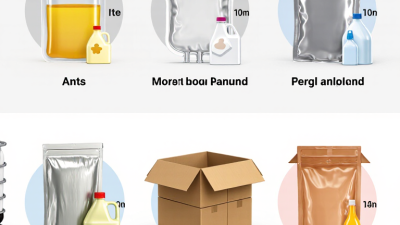

Bag-in-Box Formats: Common Nominal Capacities

Bag-in-box packaging combines a flexible, usually multilayer bag with a dispensing fitment inside a protective outer carton. The bag holds the liquid, the fitment controls dispensing, and the carton supports handling and stacking. Capacities shown are common commercial format examples; actual availability varies by product and market.

Bag and Fitment Materials for Different Products and Markets

Bag-in-box packaging works best when the bag film and fitment match the product, filling process, and route to market. For still water or mild cleaning liquids, a flexible polyethylene-based structure may be suitable, subject to compatibility testing. Products sensitive to oxygen or light, such as juice or cooking oil, may need higher-barrier layers. The right choice depends on shelf life and storage conditions, not appearance alone.

Thick sauces need an outlet that allows steady pouring without excessive squeezing. A wide fitment can help, but its seal must also withstand the product’s weight and handling. For warm-filled products, confirm that both film and fitment tolerate the actual filling temperature. A specification sheet can look convincing; a filling line may reveal a weak seal or awkward dispensing. Details matter.

Markets also differ in recycling systems, transport distances, and customer handling. A multilayer bag may protect a sensitive product well, yet local recovery options can be limited. Check material acceptance in the destination market, and verify fitment dimensions against filling equipment. Test with the real product, storage period, and shipping conditions. Still, one trial is rarely enough. Keep records of leaks, residual product, and pouring consistency, then adjust the structure where evidence points to a problem.

Key Criteria for Choosing Bag-in-Box Packaging in 2026

For global buyers, choosing bag-in-box packaging starts with the product and the filling line, not the carton’s appearance. Check liquid viscosity, filling temperature, storage time, and exposure to light and oxygen. A juice concentrate and a cooking oil may need different film structures and fitments. Small details matter.

The Flexible Packaging Association’s 2023 State of the U.S. Flexible Packaging Industry report valued U.S. industry sales at $42.9 billion in 2022. This figure covers flexible packaging broadly, not bag-in-box alone, but it reflects a substantial and evolving supply sector. Ask suppliers for documented barrier data, seal-integrity results, and compatibility tests using your actual product. A specification sheet helps; a production-line trial helps more.

Transport conditions deserve equal attention. Pallets may face heat, vibration, or rough handling, so evaluate puncture resistance, fitment protection, and case strength under realistic shipping tests. FAO’s 2022 State of Food and Agriculture estimated that 13.2% of food was lost between harvest and retail in 2016. Packaging cannot prevent every loss, yet weak seals can add avoidable risk. I still find recyclability easy to overestimate: check collection and sorting options in each destination market, not just the package material label. Test the real route.

2026 Best Bag in Box Packaging for Global Buyers - Key Criteria for Choosing Bag-in-Box Packaging in 2026

Selection criterion What to assess Questions for suppliers Practical verification
Product compatibility Whether the bag materials, seals, fitment and tap are suitable for the product’s composition, acidity, alcohol content, oil or fat content, and any other relevant characteristics. Is the proposed structure suitable for this exact product? Are there known restrictions on product type, filling temperature or storage conditions? Provide the product specification and request documented compatibility guidance. Test filled samples under representative storage and handling conditions before approval.
Barrier performance Protection from oxygen, light and moisture as required by the product. Barrier needs vary: oxygen-sensitive beverages and foods may require more protection than less sensitive products. What barrier materials are used, and what test methods and conditions support the stated performance? Is the data for the complete bag or only a film layer? Compare technical data using the same test method and conditions. Confirm that the selected structure supports the required shelf life in the intended distribution and storage environment.
Bag capacity and dimensions Nominal fill volume, filled-bag dimensions, fitment position, carton or outer-pack dimensions, and compatibility with existing packing equipment. What are the bag’s nominal capacity and dimensional tolerances? Can dimensions and fitment location be supplied in a drawing? Check drawings against the filling line, carton and pallet plan. Trial representative filled bags, since actual dimensions can vary with fill volume and packing method.
Fitment and dispensing Fitment type, opening method, flow rate, closure, ease of use, and whether the outlet is compatible with the intended dispenser or filling process. Which fitment options are available? Are compatible dispensing components specified, and how is fitment-to-film integrity tested? Test opening, dispensing and resealing with the intended user setup. Check for leaks and confirm the fitment remains secure during handling and transport.
Filling-line compatibility Compatibility with the buyer’s filling method, machine interface, bag presentation, fitment handling and operating conditions. What machine or process requirements apply? Can samples be provided in the format needed for a production-line trial? Run a controlled line trial using the intended product and operating settings. Record filling, sealing, leakage and handling results before placing a production order.
Food-contact and market compliance Applicable food-contact rules and documentation for every destination market, including the materials and components that contact the product. Which markets does the documentation cover? Can declarations, test reports and material information be provided for the exact packaging configuration? Have qualified regulatory personnel review the documents against the destination-market requirements and intended conditions of use. Do not assume one approval applies worldwide.
Shelf life and storage conditions Required shelf life, temperature range, exposure to light, distribution duration and whether the product is intended for ambient, chilled or other storage. What storage conditions were used to support shelf-life or barrier claims? Are there limitations after opening or during distribution? Validate shelf life with product-specific testing and documented storage conditions. Keep packaging claims aligned with the product’s own validation data.
Transport and handling durability The combined performance of the filled bag, fitment and outer packaging during stacking, vibration, compression and routine handling. What handling or transport tests have been performed? Are test samples representative of the final filled configuration? Evaluate the complete pack configuration using relevant distribution tests and real-route trials where appropriate. Inspect for leaks, damage and loss of package integrity.
Sustainability and end-of-life Material composition, packaging weight, available collection or recycling pathways, and the rules that apply in each destination market. What materials are used in the bag, fitment and outer packaging? What evidence supports environmental or recyclability statements? Assess the entire packaging system, not just the bag film. Check local collection and recycling guidance, and avoid broad claims that are not supported for the target market.
Supply reliability and lead time Production capacity, order minimums, replenishment lead time, continuity planning and the ability to maintain consistent specifications. What are the standard and peak-season lead times? How are specification changes, shortages and quality issues communicated? Confirm capacity and delivery assumptions in writing. Approve a controlled specification and retain samples for comparison with later shipments.
Total delivered cost The cost of bags, fitments, outer cartons, freight, duties where applicable, storage, filling efficiency and losses—not just unit price. Which costs are included in the quotation? What are the order quantity, shipping basis, packaging configuration and quotation validity? Compare like-for-like quotations with the same specification, order quantity and delivery terms. Include trial results, transport costs and expected waste in the evaluation.

Buyer note: The best bag-in-box specification depends on the product, filling process, destination market and distribution conditions. Confirm performance and compliance for the complete packaging system before commercial production.

Global Food Safety, Labeling, and Sustainability Requirements

For global buyers, bag-in-box safety depends on the whole package, not just the liner. The film, fitment, seals, and outer carton each have a role. Ask suppliers for food-contact declarations and test reports relevant to the intended food, filling temperature, and storage period. A document for one material or market may not cover another. Keep batch records and confirm how production lots can be traced. Small leaks matter.

Labels need the same careful review. Check required languages, ingredient and allergen statements, net quantity, storage directions, and date marking for each destination market. The exact rules vary, so have local regulatory specialists review final artwork before printing. A tiny fitment can also affect filling instructions or consumer handling, yet it is easy to overlook. I would not assume a translated label is automatically a compliant one.

Sustainability claims should be specific and supported. A lighter pack may reduce transport weight, but the liner and carton can follow different disposal routes. Check local collection and recycling systems, and request evidence for claims about recycled content or material reduction. Ask what happens to the emptied liner in practice. Not everywhere has the same options. There is a trade-off here: simplifying materials may help recovery, but can affect barrier performance and shelf life. Test before changing the structure.

Comparing Suppliers, Customization, and International Logistics

Global buyers should compare bag-in-box suppliers against the same written specification, not just a quoted price. Record bag capacity, film structure, fitment type, filling method, and expected use conditions. Ask for sample bags and fitments, then check sealing, handling, and compatibility with filling equipment. Small details matter. A low unit price may not include tooling, testing, or export packing.

Customization can improve usability, but every change needs verification. A wider tap opening, printed instructions, or a different carton size may affect filling speed, storage, or pallet stability. Request drawings and approval samples before production. Confirm print colors, tolerances, and what happens if a batch falls outside the agreed specification. A sample can look perfect, while a full run reveals variation. This is easy to overlook.

International logistics deserve the same attention as packaging design. Compare production lead times, minimum order quantities, shipping options, and delivery terms. Ask how cartons are protected against moisture and crushing, and request carton dimensions and pallet plans for freight estimates. Check which export documents the supplier provides and who handles customs clearance at destination. Transit estimates can shift. Build in a buffer, especially when packaging must arrive before a scheduled production run. Keep written records of approved specifications, shipment milestones, and any changes; small misunderstandings travel surprisingly far.