Top 10 Packaging Solutions from China for Global Buyers?
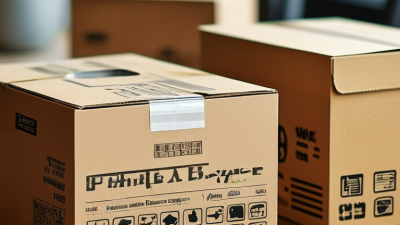
In the dynamic global market, effective Packaging Solutions are essential for product success. China has emerged as a leading player, offering a diverse range of innovative packaging options. These solutions cater to various industries, from electronics to food and beverage.
Chinese manufacturers excel in creativity and cost-effectiveness. Their expertise allows them to produce custom packaging that meets specific needs. Companies can choose from sustainable materials, intricate designs, and robust structures. However, buyers should approach the selection process with caution. Quality can vary significantly across suppliers.
Building relationships with reliable partners is crucial. Understanding market trends ensures that companies remain competitive. Buyers need to assess their long-term goals when choosing packaging. After all, an effective packaging strategy goes beyond protection; it enhances brand visibility and customer experience.
Innovative Materials in Chinese Packaging Solutions for Global Markets
The global packaging industry is evolving rapidly. China stands at the forefront of this change, offering innovative materials that cater to diverse market needs. Biodegradable plastics have gained traction due to rising environmental concerns. According to a recent report by Smithers Pira, the biodegradable packaging market is projected to reach $17 billion by 2023. This transformation is crucial for brands seeking to appeal to eco-conscious consumers.
Recyclable materials are also a key focus. With over 50% of packaging waste coming from single-use products, manufacturers are urged to develop sustainable alternatives. Paper and cardboard packaging are increasingly favored for their lower carbon footprint and ease of recycling. Industry data suggests that paper-based packaging is anticipated to grow by 4% annually. However, challenges remain in sourcing sustainable materials consistently.
Tip: When selecting packaging, consider sustainability as a core criterion. Always ask suppliers about their material sourcing practices. Ensure they can demonstrate compliance with environmental regulations. This will enhance your brand's credibility and resonate with global buyers seeking responsible solutions.
Innovation goes beyond materials. Smart packaging incorporates technology like QR codes for enhanced customer interaction. Still, companies must consider how consumers perceive such features. Not all customers may be tech-savvy, potentially limiting engagement. It's essential to find a balance between innovation and user-friendliness.
Sustainable Packaging Trends from China: A Global Perspective
Sustainable packaging is becoming essential in China's manufacturing sector. Many global buyers seek eco-friendly options to align with international standards. Innovative materials and design play critical roles in this trend. Biodegradable plastics and recycled paper are gaining attention. These materials reduce waste and promote environmental responsibility.
However, challenges remain in achieving sustainability. Some manufacturers struggle with sourcing genuine recycled materials. Others may overlook effective waste management practices. These issues can affect product quality and overall impact. Buyers must remain vigilant and assess suppliers’ claims. Transparency in sourcing practices is vital for building trust.
Moreover, consumer awareness is rising. Buyers now demand clear information about packaging origins. This shift urges companies to improve their sustainability practices. Brands are innovating to meet these expectations. Education on recycling processes is becoming crucial. Buyers and suppliers must collaborate for a greener future.
Top 10 Packaging Solutions from China for Global Buyers
| Packaging Type |
Material Used |
Sustainability Features |
Market Trends |
Target Industries |
| Biodegradable Bags |
PLA, Starch |
Composts within 90 days |
Rising demand for eco-friendly alternatives |
Retail, Food Service |
| Recyclable Boxes |
Recycled Paperboard |
100% recyclable |
Growth in recycling initiatives |
E-commerce, Electronics |
| Reusable Containers |
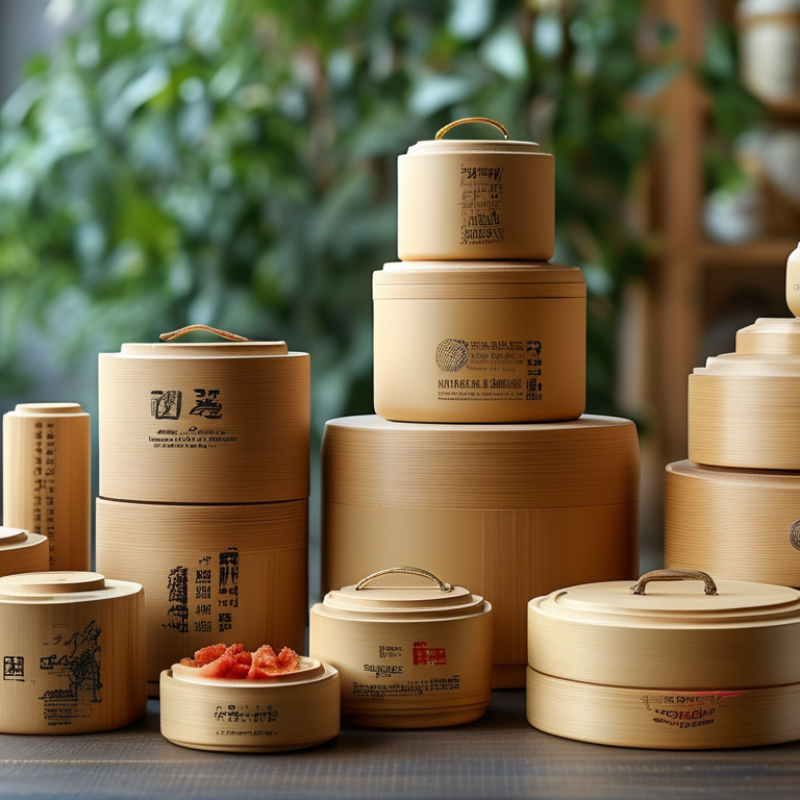
Bamboo, Glass |
Designed for multiple uses |
Shift towards zero waste |
Food, Beverage |
| Plant-Based Films |
PLA, PHA |
Compostable options |
Innovation in packaging materials |
Grocery, Fast Food |
| Corrugated Pallets |
Recycled Corrugated Fiberboard |
Lightweight and recyclable |
Adoption in logistics |
Logistics, Warehousing |
| Eco-Friendly Labels |
Plant-based Inks, Recycled Paper |
Sustainable sourcing |
Trends in brand storytelling |
Consumer Goods, Retail |
| Glass Packaging |
Glass |
Infinitely recyclable |
Premium packaging trend |
Perfume, Beverages |
| Mushroom Packaging |
Mycelium |
Biodegradable |
Emerging innovative materials |
Electronics, Gifts |
| Flexible Packaging |
Composite Materials |
Lightweight and less waste |
Growth in on-the-go products |
Snacks, Pet Food |
| Paper Pulp Molding |
Recycled Paper Pulp |
Biodegradable and compostable |
Increased demand for protective packaging |
Consumer Electronics, Cosmetics |
Custom Packaging Design Services in China for International Buyers
Custom packaging design services in China are rapidly growing. According to a report by Smithers, the global packaging market is projected to reach $500 billion by 2027. Chinese manufacturers play a crucial role in this expansion, offering innovative and affordable solutions for international buyers.
One key strength of Chinese packaging companies is their ability to customize designs. Many of these firms invest heavily in design capabilities. They employ modern technology and skilled designers. This enables them to create bespoke packaging that meets the specific needs of diverse industries. In fact, 42% of businesses seek tailored solutions to enhance brand identity.
There is a challenge, though. Quality control can sometimes be inconsistent across different suppliers. International buyers need to vet potential partners carefully. Building strong, transparent relationships is essential. Ensuring that the packaging meets regulatory standards is another crucial point. Buyers should prioritize reliable suppliers with a good track record to mitigate these risks.
Top Manufacturing Regions in China Specializing in Packaging Solutions
China boasts several regions known for their expertise in packaging solutions. Each area has unique strengths. Understanding these can help global buyers make informed choices.
Shenzhen is a hub for innovative packaging ideas. Many companies here focus on eco-friendly materials. This region is also known for quick prototyping. Buyers can see their designs come to life rapidly. However, quality control can sometimes be inconsistent. It requires diligence to find reliable suppliers.
Another significant area is Zhejiang. This region specializes in various packaging types, from consumer goods to industrial products. The factories here often utilize advanced technology. This enhances efficiency and customization. However, rapid production can occasionally lead to overlooking detail. Buyers should prioritize thorough inspections.
Lastly, Guangdong is renowned for its vast selection of materials. It offers everything from cardboard to flexible films. The variety is appealing, but it can be overwhelming. Buyers might feel lost among so many options. A clear understanding of needs is crucial to navigate this landscape efficiently.
Top 10 Packaging Solutions from China for Global Buyers
Evaluating Quality and Compliance Standards in Chinese Packaging Products
When assessing Chinese packaging solutions, quality and compliance are paramount. According to a report by the Institute for Supply Management, nearly 70% of global buyers emphasize compliance with international standards when sourcing packaging. These standards ensure that products are safe and reliable. For instance, certifications like ISO 9001 and ISO 14001 are critical indicators of a manufacturer’s commitment to quality management and environmental responsibility.
A study from the Packaging Association reveals that about 30% of packaging products from China face scrutiny regarding compliance. This signals a pressing need for global buyers to conduct thorough audits. Verifying packaging processes, raw materials, and end-product testing can mitigate risks. Working closely with reputable suppliers is essential for maintaining high quality and safety levels in packaging.
However, challenges remain. Some manufacturers may overlook compliance aspects to cut costs. This can lead to subpar products that fail to meet market expectations. Buyers must stay vigilant. Understanding the complexities of quality assurance and compliance can lead to better-informed decisions. Being proactive about these issues strengthens the buyer-manufacturer partnership, ultimately enhancing product integrity in global markets.