Top Packaging Solutions Tips for Global Buyers to Consider
In today's dynamic global market, effective Packaging Solutions have become critical for buyers seeking to optimize their supply chains. According to recent industry reports, the global packaging market is projected to reach USD 1 trillion by 2024, illustrating the growing importance of this sector. Choosing the right packaging can significantly reduce costs while enhancing product appeal.
However, navigating the complexities of packaging options requires expertise. For instance, sustainable materials are increasingly in demand; approximately 55% of consumers prefer eco-friendly packaging. This presents both an opportunity and a challenge for global buyers. Balancing cost with sustainability is crucial, but many struggle to find the right solutions that align with their brand values. Missteps in packaging choices can lead to increased waste and damage to brand reputation.
Ultimately, the selection of Packaging Solutions should not be taken lightly. Reliable data and industry insights can guide buyers toward smarter decisions. Yet, even the most experienced professionals must continually reassess trends and materials. The journey toward effective packaging is ongoing, filled with learning and adaptation.
Understanding the Importance of Packaging in Global Trade
In global trade, packaging plays a crucial role. It ensures products reach consumers in perfect condition, reducing waste. According to the World Packaging Organisation, effective packaging can cut logistics costs by up to 30%. More than ever, buyers must understand these dynamics.
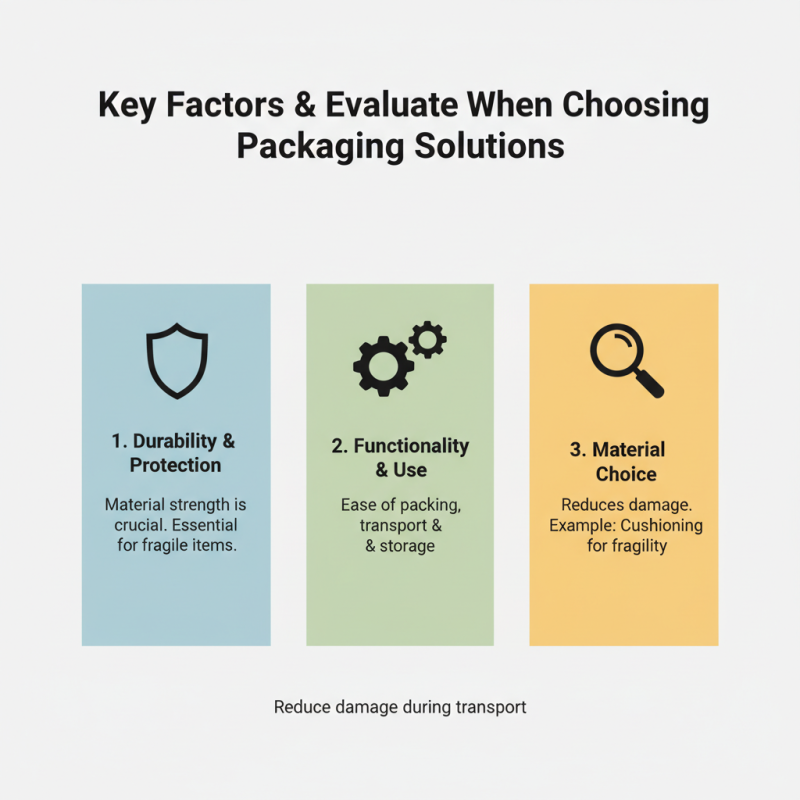
Here are some packaging tips for international buyers. Prioritize durability. Strong materials protect goods during transit. Research regulations in target markets. Compliance with local laws can prevent costly delays. For instance, some countries have specific requirements for food packaging.
Consider sustainability. Eco-friendly packaging not only attracts consumers but also aligns with many countries' environmental goals. A study by McKinsey noted that sustainable packaging can increase sales by 10% in certain sectors. Always assess the supply chain. An efficient packaging solution should enhance, not complicate, logistics.
Reflect on these insights carefully. The right packaging strategy directly impacts your global trade success. Packaging is more than a protective layer; it’s part of your brand story.
Sustainable Packaging Options for Eco-Conscious Buyers
Sustainable packaging is increasingly important for eco-conscious buyers. Many consumers look for options that minimize environmental impact. Biodegradable materials, like plant-based plastics, are gaining traction. They break down over time, reducing waste in landfills.
Consider tips when choosing packaging solutions: Look for suppliers who use recycled materials. This shows a commitment to sustainability. Ask about their sourcing practices to ensure responsible production. Transparency in materials used is crucial.
Another key aspect is the design of packaging. It should be functional yet environmentally friendly. Lightweight materials can reduce shipping emissions. Think about size and shape to optimize space during transport. This not only saves resources but also lowers costs. Reflect on how each choice affects the planet. Ensure your decisions align with your values.
The Role of Technology in Modern Packaging Solutions
In today’s packaging landscape, technology plays a crucial role. From smart packaging to automation, innovation drives efficiency. According to a Smithers report, the global smart packaging market is projected to reach $37 billion by 2024. This reflects the increasing demand for advanced solutions that enhance product lifecycle and consumer engagement.
Consider leveraging smart technology to improve packaging efficiency. Implementing RFID tags can streamline inventory management, reducing waste and errors. Sensors can monitor conditions, ensuring products remain safe during transit. These technologies not only boost reliability but also foster sustainability.
Another tip is to explore eco-friendly materials. The rise of biodegradable and recyclable packaging aligns with consumer preferences. A recent study by Grand View Research highlights that the sustainable packaging market is expected to grow at a compound annual growth rate of 5.7% from 2020 to 2027. Embracing such options not only meets regulatory standards but also enhances brand image. However, be mindful that not all 'green' claims are reliable. Thorough research is essential to identify truly sustainable solutions.
Navigating Regulations and Standards in Global Packaging Practices
Navigating the maze of global packaging regulations requires in-depth knowledge. Different regions have unique standards. For instance, Europe mandates specific labeling for certain materials. Meanwhile, the U.S. focuses on consumer safety and environmental considerations. Understanding these differences is crucial for compliance.
Buyers must also be aware of sustainability requirements. Many countries enforce eco-friendly packaging standards. Failure to comply can lead to hefty fines. Additionally, trends, like the push for recyclable materials, are reshaping packaging practices. Adapting to these shifts can enhance your company’s reputation.
It's essential to engage local experts who understand regional nuances. Their insights can prevent costly mistakes. Overlooking regulations may result in your products being rejected at borders. This situation highlights the importance of thorough research and consultation. Regular updates on changes in laws are vital, as regulations often evolve.