What is Aluminium Bag and How to Choose the Right One?
In recent years, the demand for Aluminium Bags has surged significantly. These bags are versatile, eco-friendly, and ideal for packaging various products. According to a recent report by Research and Markets, the global aluminium bag market is expected to grow at a compound annual growth rate (CAGR) of 6.4% from 2023 to 2028. Such a growth trend emphasizes the importance of selecting the right aluminium bags to meet specific needs.
Industry expert Dr. John Glassman notes, "Choosing the correct aluminium bag is crucial for ensuring product safety and integrity." His insights highlight that not all aluminium bags are created equal. Factors such as thickness, barrier properties, and closure types play pivotal roles. Smaller businesses may struggle to navigate these choices, leading to potential oversight.
Many options exist, yet identifying the perfect match for your product can be daunting. Understanding the specific requirements of your items is key. With various materials and designs on the market, a thoughtful selection process is essential. This attention to detail can save costs and enhance product longevity in competitive industries.

What is an Aluminium Bag?
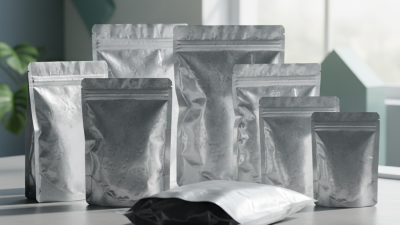
Aluminium bags are versatile packaging solutions. They are commonly used in various industries, including food, pharmaceuticals, and electronics. These bags offer a unique combination of lightweight and durability. Their metallic surface provides an excellent barrier against moisture, light, and oxygen. This is crucial for preserving the integrity of sensitive products.
When choosing an aluminium bag, consider the specific needs of your items. Think about size, sealing methods, and any special requirements. Some products may need a higher barrier level or vacuum sealing to extend shelf life. The aesthetic quality is also important. A shiny finish might attract customers, while a matte finish can convey luxury. It's essential to weigh these factors carefully.
It's easy to overlook the importance of proper storage and handling. Even durable aluminium bags can be compromised if not treated properly. Improper handling can lead to punctured bags, affecting the contents. Reflecting on past mistakes can help minimize future errors. Always ensure your packaging aligns with the needs of your product and its intended market.
Comparison of Aluminium Bag Types by Usage
This chart illustrates the distribution of different types of aluminium bags used in various industries. The majority of aluminium bags are utilized for food packaging, followed by medical supplies and electronics. Understanding the applications of aluminium bags can help you choose the right type for your specific needs.
Benefits of Using Aluminium Bags
Aluminium bags are gaining popularity across various industries. They offer numerous benefits that make them an excellent choice for packaging needs. One significant advantage is their ability to protect contents from moisture, light, and oxygen. This protection helps prolong the shelf life of products. Many businesses rely on aluminium bags for food, pharmaceuticals, and chemicals.
In addition to protection, aluminium bags are lightweight and durable. They are easy to transport and store, reducing shipping costs. The materials used are often recyclable, appealing to environmentally conscious consumers. You can customize the bags with size, color, and design. This flexibility allows brands to maintain a unique identity.
Tips: When selecting an aluminium bag, consider the intended use. Think about the product’s sensitivity to environmental factors. Make sure the size matches your product perfectly. Test the bag's seal and strength before full-scale use. Be aware that not all aluminium types offer the same barrier qualities, so do your research.
Types of Aluminium Bags Available
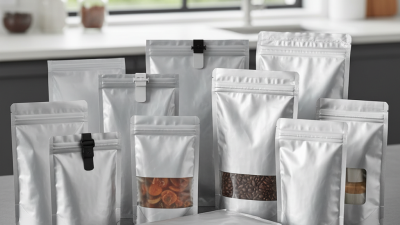
Aluminium bags come in various types, each designed for specific uses. These bags offer excellent barrier properties, making them ideal for packaging food, pharmaceuticals, and other sensitive materials. Common types include flat bags, stand-up pouches, and zip-lock bags. Each type has unique advantages. For example, stand-up pouches are great for branding on store shelves. Their design allows for better visibility and organization.
When choosing an aluminium bag, consider the purpose and contents. Flat bags are suitable for items that do not require a stand-up feature. However, they may not be as visible on a shelf. Zip-lock bags offer convenience for resealing. They are easier to open and close, which appeals to end-users. But, they may not provide the same level of tamper resistance as other types.
Reflecting on the right choice, it's essential to evaluate your specific needs. The right aluminium bag can enhance product longevity and appeal. However, overcomplicating design choices or functionality may confuse customers. Balancing aesthetics and practicality is key. Make sure your decision aligns with both the product’s nature and consumer expectations.
Factors to Consider When Choosing an Aluminium Bag
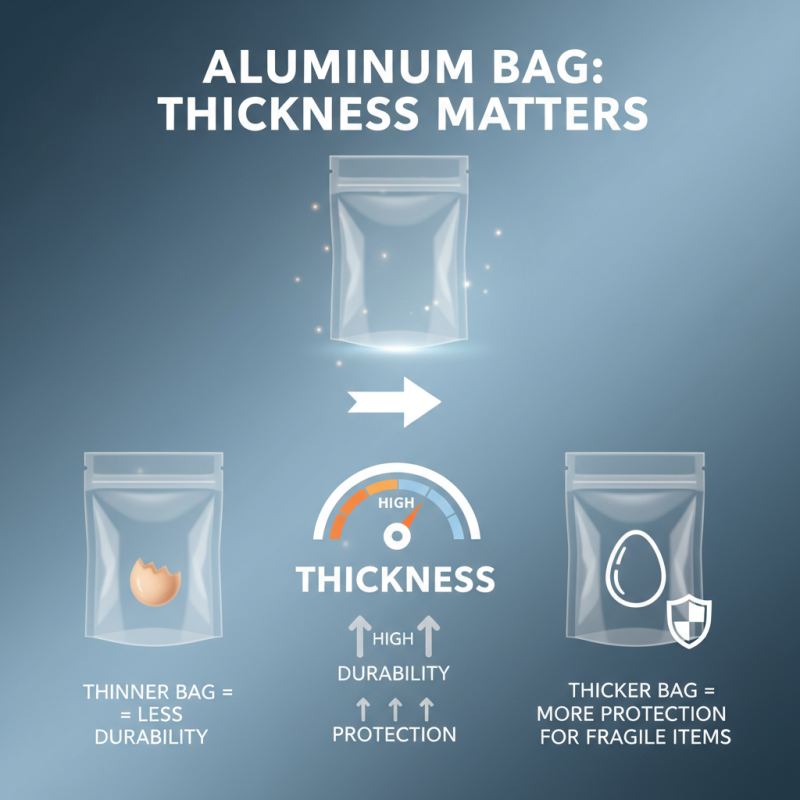
Aluminium bags offer excellent protection for various products. When considering which one to choose, several factors come into play. First, consider the bag's thickness. A thicker bag generally provides better durability. If you plan to transport fragile items, opt for a thicker option.
Another important aspect is the sealing method. Bags can have different sealing styles, such as heat seals. A strong seal can prevent leaks and protect contents from air and moisture. It’s essential to match the sealing method to your needs. For bulk products, a resealable option might work best.
Tips: Always test a sample before purchase. It helps you evaluate whether it meets your requirements. Additionally, pay attention to the size. A bag that is too small can lead to breakage, while one that is too large might waste materials.
In your choice, reflect on the materials inside. Certain products might require specialized bags. A standard bag could compromise the integrity of sensitive items. Take the time to analyze your specific use cases for optimal results.
Applications and Industries for Aluminium Bags
Aluminium bags have gained popularity across various industries due to their unique properties. They are highly effective in preserving the quality of products. Food packaging, for instance, benefits from these bags, as they protect contents from moisture and light. This extends the shelf life of snacks, herbs, and other food items.
In the pharmaceutical sector, aluminium bags offer vital protection for medications. They safeguard against contamination and ensure that sensitive compounds remain stable. Cosmetic products also rely on these bags. The barrier properties keep products fresh and free from air exposure. Industries are increasingly choosing aluminium bags for their reliable protection.
While the advantages are clear, not every application is suitable for aluminium bags. Assessing the specific needs of the product is crucial. Some may require flexibility that aluminium cannot provide. Different sizes and thicknesses are available, but selecting the right combination can be daunting. Careful evaluation of product compatibility with aluminium is needed to ensure optimal performance.