What are Barrier Bags and Their Benefits for Packaging?
Barrier Bags have become essential tools in packaging, especially for perishable goods. These specialized bags offer a protective barrier against moisture, oxygen, and light. According to industry expert Dr. Emily Carter, “Barrier Bags are a game-changer for preserving product integrity.” Her insight highlights the importance of these bags in maintaining freshness.
The use of Barrier Bags is on the rise. They are widely utilized in food packaging, pharmaceutical products, and electronic components. Each type serves specific needs, ensuring that the contents remain uncontaminated. The durability of Barrier Bags often surprises users. They resist punctures and tears, making them reliable options in various environments. However, some customers might overlook the importance of selecting the right type of Barrier Bag.
Despite their benefits, there are challenges. Not every Barrier Bag is suitable for all products. Users must consider factors like sealing methods and material composition. This decision process can be daunting for many. Evaluating options can require comprehensive research and understanding. In this evolving industry, awareness of the right practices is crucial. Barrier Bags represent a significant step forward, but careful thought is essential in their application.
What Are Barrier Bags?
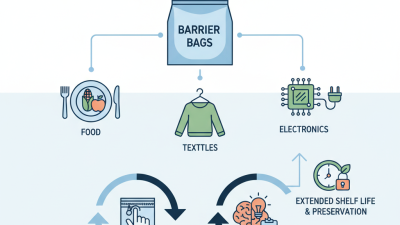
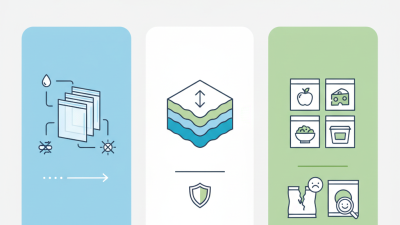
Barrier bags are a vital innovation in packaging technology. They are designed to protect sensitive contents from external elements. These bags are made with materials that provide high resistance to moisture, oxygen, and light. As a result, they extend the shelf life of various products, making them ideal for food, pharmaceuticals, and electronics.
When using barrier bags, it’s essential to choose the right type for your product. Different applications may require specific features. For example, some bags may have additional layers for enhanced protection. Verify that the material is appropriate for the contents and environmental conditions.
Tips for optimal use: Keep barrier bags sealed until you are ready to use the product. This helps maintain freshness and quality. Consider using desiccants when storing items sensitive to humidity. Lastly, ensure compatibility between the product and the packaging material; this can prevent unwanted reactions. Using barrier bags properly can significantly improve product longevity.
Types of Barrier Bags for Various Uses
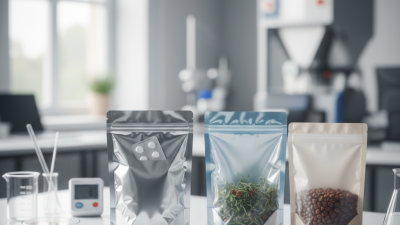
Barrier bags are essential in various industries for protecting products from moisture, air, and contaminants. Their unique properties make them suitable for multiple applications, each requiring specific features. For instance, vacuum bags are ideal for food packaging. They keep items fresh longer and enhance shelf life. Anti-static bags are used in electronics to prevent static damage. They protect sensitive components during shipping and storage.
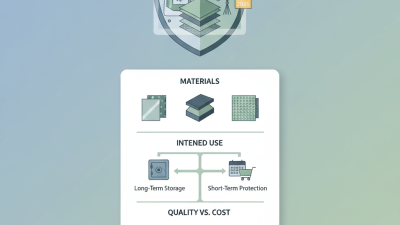
When selecting a barrier bag, consider the material. Polyethylene is durable and moisture-resistant. Alternatively, mylar offers superior barrier properties for oxygen and light. Ensure you choose the right size and thickness for your needs. Using the proper seal helps maintain the integrity of the contents within the bag.
Tips: Always test a small batch before full production. This can help you spot any issues early. Regularly check for leaks or damages on your barrier bags. Small imperfections can lead to larger problems later.
What are Barrier Bags and Their Benefits for Packaging? - Types of Barrier Bags for Various Uses
| Type of Barrier Bag |
Material |
Typical Uses |
Benefits |
| Polyethylene Barrier Bags |
Polyethylene |
Food Packaging, Pharmaceuticals |
Moisture Resistant, Lightweight |
| Aluminum Foil Bags |
Aluminum Foil |
Snacks, Coffee, Electronics |
Corrosion Resistant, Excellent Barrier Properties |
| Vacuum Seal Bags |
Nylon, Polyethylene |
Meat, Vegetables, Bulk Foods |
Extended Shelf Life, Preserves Freshness |
| Retort Pouches |
Laminated Films |
Ready-to-eat Meals, Soups |
Heat Resistant, Lightweight |
| Static Shield Bags |
Polypropylene |
Electronics, Sensitive Components |
ESD Protection, Durable |
Key Benefits of Using Barrier Bags in Packaging
Barrier bags are specialized packaging solutions designed to extend the shelf life of products. These bags are made from materials that provide a high level of protection against moisture, oxygen, and light. According to a report by Smithers Pira, the barrier packaging market is projected to reach $55 billion by 2025, driven by rising demand for quality preservation in food and pharmaceuticals.
The benefits of using barrier bags are significant. They help to maintain product freshness and prevent spoilage. This is particularly important in the food industry, where 30% of food produced is lost due to inadequate packaging. Additionally, barrier bags reduce the need for preservatives, appealing to health-conscious consumers. Studies show that products in barrier packaging can have a longer shelf life, often extending by months, which is crucial for both retailers and end-users.
Transparency is another key feature. Companies can use printed barriers that showcase branding while maintaining protection. However, not all barrier bags are created equal. Some may not provide sufficient protection due to material quality. This inconsistency can lead to product failure, impacting brand reputation. Businesses must carefully select their packaging materials to ensure reliability in their supply chains.
Applications of Barrier Bags in Different Industries
Barrier bags are versatile packaging solutions widely used across various industries. Their unique design features materials that create a protective barrier against moisture, oxygen, and light. This effectiveness makes them crucial for food processing, pharmaceuticals, and electronics.
In the food industry, barrier bags help preserve freshness. Products like coffee and snacks retain their flavor and crunch longer. In pharmaceuticals, these bags safeguard sensitive medications from environmental factors. This protection ensures that drugs maintain their potency until consumed. Electronics also benefit; barrier bags prevent moisture damage during shipping and storage, extending product lifespans.
**Tip:** When using barrier bags, consider the specific environmental threats your product faces. This will help you choose the right type of barrier material. Be mindful of the trade-offs as well; while barrier bags provide excellent protection, they may contribute to environmental waste if not properly disposed of.
Another thought is the cost-effectiveness. Barrier bags can be pricier than regular packaging. However, the investment often pays off through reduced spoilage and returns. It’s essential to weigh these factors when deciding on packaging solutions for your products.
Choosing the Right Barrier Bag for Your Needs
Choosing the right barrier bag for your needs is essential for effective packaging. Barrier bags provide a protective layer, preserving the quality of contents by preventing moisture, light, and oxygen damage. Consider the specific requirements of your product. Are you packaging food, pharmaceuticals, or electronics? Each type requires different barrier properties.
When selecting a barrier bag, check the material. Common options include polyethylene and metallized films. These materials offer varying levels of protection. A thicker bag can provide more durability, but it may be heavier. Assess the trade-off between protection and weight for transport.
**Tips:**
- Always test the barrier bag with your product before mass production. This ensures compatibility.
- Consider the storage conditions of your product. The right barrier bag can enhance shelf-life significantly.
- Look for bags with tear-notch features. They are easier to open, which can improve user experience.
Evaluating the seal quality is also crucial. A poor seal can compromise the barrier, allowing contaminants in. While it sometimes feels tedious, it’s essential to examine suppliers' credibility to ensure reliable bags. Small details can determine the longevity of your product.
Barrier Bags Benefits Overview
This chart illustrates the level of benefits provided by different types of barrier bags in packaging. Each category is rated from 1 to 10, reflecting their effectiveness in moisture, oxygen, light, chemical resistance, and puncture protection.