Best Bag In Box Packaging Solutions for Your Products?
In the ever-evolving landscape of packaging, "Bag In Box Packaging" has emerged as a game-changer. Industry expert John Smith, a leading figure with over 20 years of experience, states, "Bag In Box Packaging offers unmatched protection and convenience." This method, often preferred for liquids, provides a sustainable and user-friendly alternative to traditional packaging.
Its versatility is striking. Companies are increasingly adopting this solution across various sectors, from beverages to sauces. Bag In Box Packaging not only extends shelf life but also minimizes waste. However, there can be challenges. Ensuring compatibility with different products requires careful consideration. Packaging design must align with brand identity while also meeting functional needs.
Despite its advantages, some businesses remain hesitant. Concerns about production costs and material sourcing persist. Manufacturers must weigh these aspects against the potential benefits. As the market continues to trend towards eco-friendly solutions, Bag In Box Packaging stands at a pivotal moment, inviting further exploration and innovation.
Understanding Bag In Box Packaging and Its Benefits
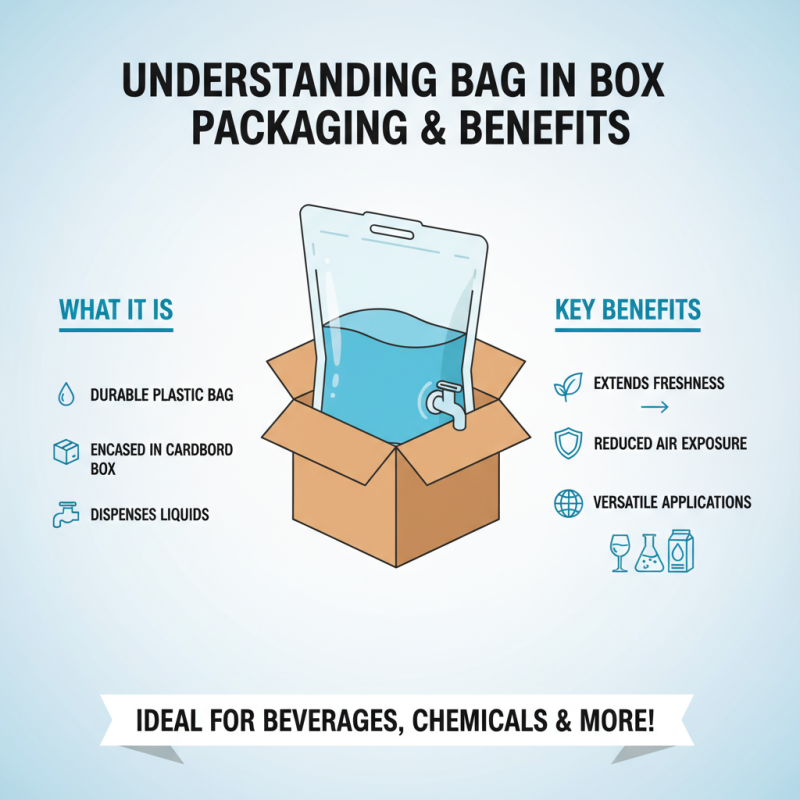
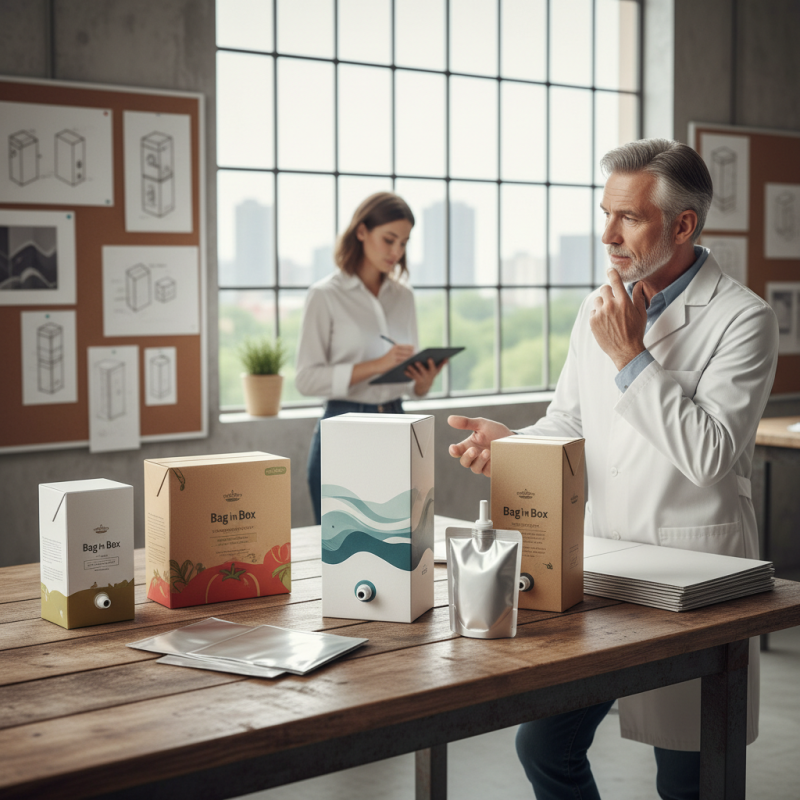
Bag in Box packaging is gaining popularity across various industries. This unique solution offers an effective way to store and dispense liquids. The packaging consists of a durable plastic bag encased in a cardboard box. This design minimizes exposure to air, which helps maintain product freshness. Many industries, from beverages to chemicals, benefit from this method.
One of the significant advantages is environmental sustainability. Bag in Box reduces waste compared to traditional glass or plastic containers. Many users appreciate the lightweight design, which lowers transportation costs. However, it is essential to choose the right materials to ensure product integrity. While this packaging method is effective, improper handling can lead to issues like leaks or compromised quality.
Moreover, bag in box packaging allows for easier dispensing. This is particularly useful for restaurants and bars with high demand. Users can pour products with minimal mess, maintaining a clean work environment. Finding reliable suppliers remains crucial, as quality impacts overall performance. It’s important to constantly reflect on experiences with different solutions to ensure the best outcomes for your products.
Key Components of Effective Bag In Box Packaging Solutions
Bag-in-box packaging offers unique advantages for various products, especially liquids like juices and wines. Key components of effective bag-in-box solutions include material quality, design, and usability. The outer box must be sturdy to protect the inner bag from damage. A strong, durable bag ensures the product remains fresh and uncontaminated. Choosing the right materials can enhance shelf life, but finding the balance can be challenging.
Another essential aspect is the ease of use. A well-designed tap or dispensing system allows consumers to enjoy the product without hassle. Poor design can frustrate users, leading to waste. Additionally, clear labeling is vital. It informs customers about the contents and usage guidelines. However, brands sometimes underestimate the simplicity needed in messaging. Complicated instructions can deter sales.
Lastly, sustainability is becoming crucial in packaging decisions. Many consumers prefer eco-friendly options. Brands face pressure to innovate and reduce their environmental footprint. Nevertheless, balancing sustainability with cost and performance remains a dilemma. As companies strive to create optimal bag-in-box solutions, continuous reflection and improvement are necessary to address these challenges.
Types of Products Best Suited for Bag In Box Packaging
Bag In Box (BIB) packaging is gaining traction across diverse sectors. This solution is particularly effective for liquid products. For example, wines and juice are commonly packaged this way. According to a report by Smithers Pira, the global BIB market is projected to reach $5 billion by 2024. This growth highlights its appeal, especially in the beverage industry.
Furthermore, BIB packaging is suitable for dairy products. Milk and cream benefit from the reduced oxygen exposure that BIB offers. This packaging can extend shelf life by up to 50% compared to traditional containers. Moreover, the efficiency of BIB reduces waste during production and distribution. However, this may not be the optimal choice for all products, as certain solids do not mix with this packaging method.
Sauces and syrups also fit well into the BIB category. The flexible storage options enhance marketability. Users appreciate the easy dispensing mechanism. Still, some challenges include potential leakage issues and limited retail presentation. These factors must be evaluated carefully before making a decision.
Design Considerations for Optimizing Bag In Box Packaging
When considering Bag In Box (BIB) packaging, design matters immensely. Proper design can enhance usability and shelf life. It's crucial to select materials that maintain product integrity. For instance, a durable outer layer can protect from impact. Additionally, the inner pouch must be compatible with your product to prevent leaks or spoilage.
Tips: Choose materials that are eco-friendly. This decision can resonate with environmentally conscious consumers. Conduct thorough testing on materials. Understand how they interact with the product over time. This prevents costly mistakes later.
Considering the size and shape is essential as well. A balanced design can optimize space during transit and storage. However, striking this balance can be challenging. Reflecting on the practical aspects of BIB packaging may yield better solutions.
Tips: Sketch several design ideas before settling. Consult industry professionals about trends and best practices. Create prototypes to test usability before large-scale production.
Sustainability and Environmental Impact of Bag In Box Packaging
The rise of Bag In Box (BIB) packaging has brought attention to sustainability. This innovative solution reduces waste and enhances product preservation. According to a report by Smithers Pira, BIB packaging uses up to 40% less material than traditional bottles. This efficiency minimizes landfill impact.
Moreover, BIB packaging's reduced carbon footprint is notable. The production process is less energy-intensive. A study by the American Packaging Association highlights that BIB reduces greenhouse gas emissions during transportation. It weighs significantly less than glass or plastic alternatives. This brings value to companies aiming for sustainability.
However, challenges persist. Not all materials used in BIB packaging are recyclable. This raises concerns about waste management practices. A lingering question is whether consumers will support brands that invest in fully sustainable packaging. Companies must balance environmental goals with cost. As more research emerges, the industry must address these dilemmas.