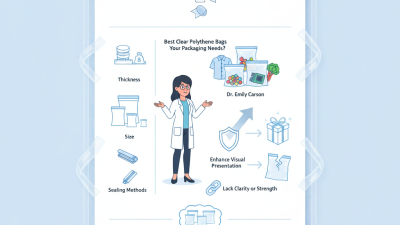
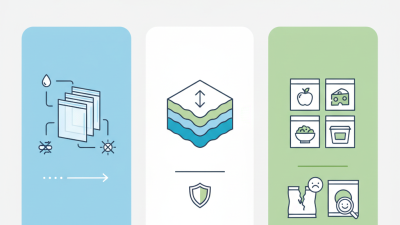
Best Clear Polythene Bags for Global Sourcing Needs?
In the ever-evolving landscape of packaging solutions, the demand for Clear Polythene Bags continues to rise. Industry expert, Sarah Thompson, emphasizes, "Clear Polythene Bags are a vital component for safe and efficient global sourcing." This statement captures the essence of why these bags are essential across various industries, from retail to logistics.
When sourcing materials globally, clarity and reliability are paramount. Clear Polythene Bags offer transparent visibility, allowing users to display products while maintaining integrity. Moreover, these bags are lightweight, durable, and cost-effective. However, selecting the right type can be daunting. Many options exist, each with unique attributes suited for different needs.
Yet, it’s crucial to reflect on the environmental impact of Clear Polythene Bags. While they serve practical purposes, their disposal can pose challenges. Balancing practicality with sustainability remains an ongoing concern in the industry. As we navigate these dynamics, the right Clear Polythene Bags can greatly enhance operations—if selected wisely.
Overview of Clear Polythene Bags in Global Sourcing
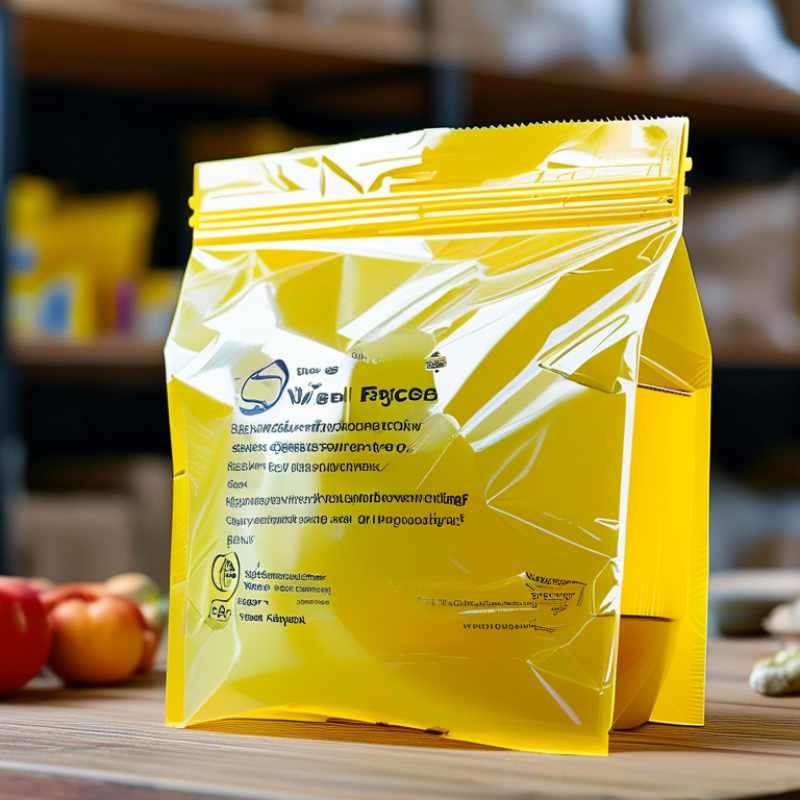
Clear polythene bags play a crucial role in global sourcing. They are versatile, durable, and lightweight, making them ideal for various applications. Businesses rely on these bags for packaging, protecting, and transporting goods efficiently across borders. Sourcing high-quality materials is essential. The right specifications ensure that bags withstand lengthy journeys and diverse environments.
When considering polythene bags, size and thickness matter. A bag that is too thin may not protect items during transit. On the other hand, bags that are excessively thick can be costly and difficult to handle. It's critical to find a balance that suits specific needs. Many companies grapple with inconsistent quality across suppliers. This inconsistency can lead to unexpected delays and increased costs in the supply chain.
Sustainability is another aspect to reflect on. While polythene bags are convenient, their environmental impact cannot be overlooked. The challenge lies in sourcing eco-friendly options that also meet performance standards. Businesses must weigh the benefits of cost and functionality against sustainability goals. This ongoing conversation shapes the future of sourcing clear polythene bags.
Best Clear Polythene Bags for Global Sourcing Needs
| Size (mm) |
Thickness (microns) |
Weight Capacity (kg) |
Uses |
Recyclability |
| 250 x 350 |
40 |
5 |
Retail Packaging |
Yes |
| 300 x 400 |
50 |
7 |
Food Packaging |
Yes |
| 400 x 600 |
60 |
10 |
Heavy Duty Uses |
Yes |
| 500 x 700 |
70 |
12 |
Industrial Use |
Yes |
| 600 x 800 |
80 |
15 |
Bags for Books |
Yes |
Key Features to Consider When Selecting Polythene Bags
When selecting polythene bags for global sourcing, understanding key features is crucial. Transparency is one important characteristic. Clear polythene bags allow easy visibility of contents, beneficial for inventory management. According to recent industry reports, transparent packaging is expected to grow by 4.8% annually in the next five years. This trend emphasizes the importance of clarity in packaging choices.
Thickness is another vital factor. Bags typically range from 50 to 200 microns in thickness. A thinner bag may suffice for light items, while thicker options offer durability for heavier products. The right thickness can prevent costly damages during transportation. It’s noteworthy that over 30% of shipping issues arise from insufficient packaging material, highlighting the need for careful selection.
Bag sealing options can also significantly impact usability. Heat seals provide an airtight closure, while adhesive seals are easier to apply. However, the effectiveness can vary. A report indicates that 15% of users experienced seal failures in low-quality bags. Ensuring reliable seals is paramount. All these features must align with sourcing needs to enhance operational efficiency.
Applications of Clear Polythene Bags in Various Industries
Clear polythene bags serve a variety of purposes across different industries. In the retail sector, these bags are essential for packaging products. They offer visibility, allowing customers to see the contents. Retailers appreciate their lightweight nature, which reduces shipping costs. However, the environmental impact of single-use bags raises questions. Many businesses are transitioning to reusable options to remain sustainable.
In food service, clear polythene bags are widely used for storage and packaging. They help keep food fresh. These bags are often seen in grocery stores and restaurants. The convenience of using these bags makes them a staple in food handling. Yet, they are not always the most eco-friendly choice. Some food businesses are exploring biodegradable alternatives.
Manufacturers and distributors rely on clear polythene bags for shipping and organization. These bags protect products during transport. They also facilitate easy inventory management. However, relying solely on plastic can be problematic. Companies must consider eco-conscious strategies for packaging. Balancing practicality and environmental responsibility is an ongoing challenge in all sectors.
Top Suppliers and Manufacturers of Clear Polythene Bags
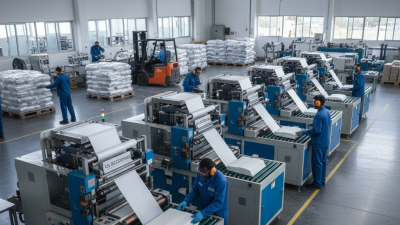
When sourcing clear polythene bags, it's crucial to connect with top suppliers and manufacturers. The global market for polythene bags has shown significant growth. According to a recent report by Research and Markets, the polythene bag market is expected to reach USD 30 billion by 2027, with a compound annual growth rate (CAGR) of 4.5%. This growth reflects the increasing demand for eco-friendly packaging solutions.
Many manufacturers are stepping up their production capabilities to meet this demand. Their offerings include bags of various sizes and thicknesses suitable for different applications. However, not all suppliers maintain the same level of quality. Evaluating a vendor's sustainability practices can be a challenge. Buyers often face uncertainty regarding the sourcing of materials and the environmental impact of production processes.
In addition, regional differences can affect bag quality and availability. Suppliers in Europe may comply with stricter regulations than those in other regions. This inconsistency can lead to confusion during the sourcing process. Businesses must be diligent in assessing vendors to ensure compliance with local and international standards. An informed choice requires thorough research and a solid understanding of the market landscape.
Sustainability and Environmental Impact of Polythene Packaging
Polythene packaging plays a crucial role in global sourcing. Its convenience and utility are undeniable. However, the environmental impact weighs heavily on this industry. Research indicates that around 8 million tons of plastic waste end up in oceans every year. This leads to severe consequences for marine life and ecosystems.
While polythene bags are recyclable, the reality is different. According to the Ellen MacArthur Foundation, less than 20% of plastic packaging is recycled globally. Many facilities lack proper systems for recycling polythene. As a result, the pollution from these bags continues to pose a significant challenge. Efforts to promote biodegradable alternatives are ongoing. Still, the effectiveness of these solutions remains questionable.
Sustainability must be a priority for businesses. The production of polythene generates carbon emissions. A report from the World Wildlife Fund highlights the need for a shift toward sustainable practices. Industries must innovate and invest in circular economy models. The journey toward sustainable polythene packaging is complex, but essential for our planet's future. Reducing reliance on single-use plastics is a necessary step.