Best Container For Packing Solutions That Every Buyer Needs?
In the world of logistics and shipping, choosing the right container for packing is crucial. A well-chosen container impacts how goods are stored, transported, and delivered. Understanding the different types of containers available can save time and resources. It’s essential for every buyer to consider the design and material of the container for packing.
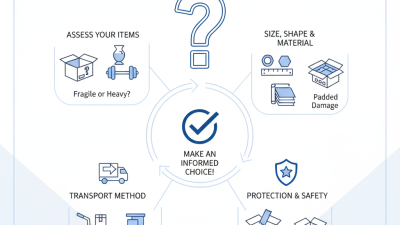
Materials like plastic, metal, and cardboard each offer distinct advantages. For instance, plastic containers are lightweight and durable, making them perfect for long-distance shipping. On the other hand, cardboard containers are recyclable and often more affordable. However, they may not withstand moisture as well as other materials. Buyers should also examine the size and shape of their products. Not every container fits every item perfectly, leading to potential damage.
Reflecting on the choices made during this selection process can lead to better decisions in the future. Many buyers rush to select without considering all aspects. By taking the time to assess specific needs, buyers can choose the best container for packing, leading to effective and efficient shipping solutions.
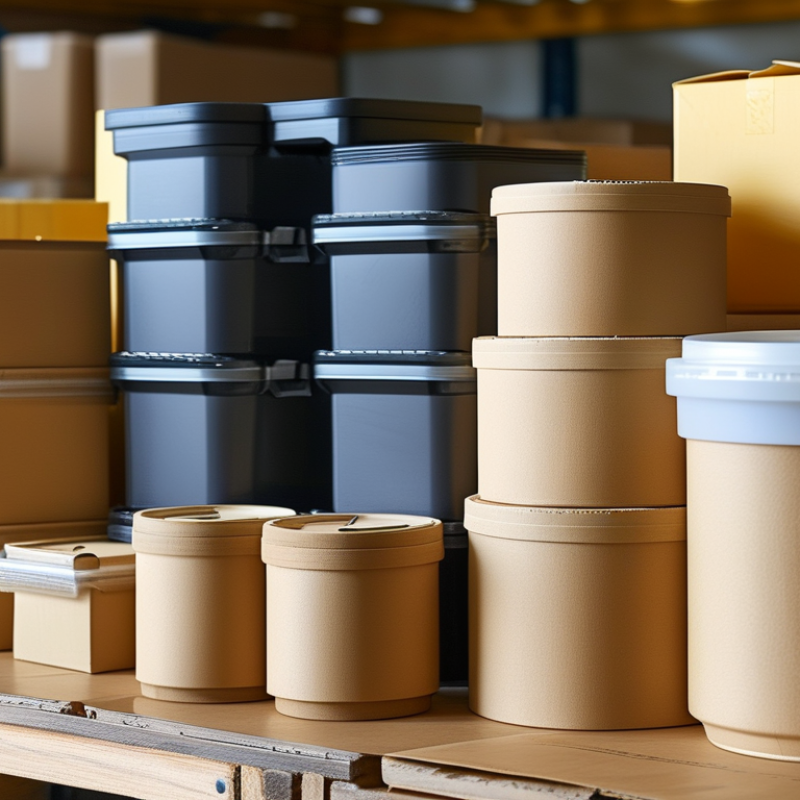
Types of Containers for Packing: An Overview of Options
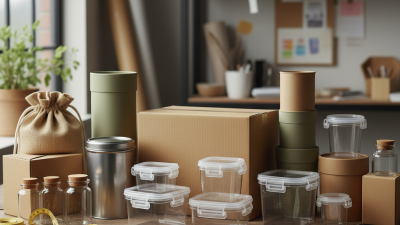
When it comes to packing solutions, choosing the right container is crucial. Various types of containers cater to different needs. For instance, cardboard boxes are popular for their lightweight and recyclable nature. They are affordable and easy to stack. However, they may not provide enough protection for fragile items.
Plastic containers offer a more durable alternative. They are waterproof and can be used repeatedly. This makes them ideal for long-term storage. However, some people find them bulky and hard to label. Reusable fabric bags are also a great option for smaller items. They are eco-friendly and come in numerous sizes. Yet, their lack of rigidity can make packing efficiency suffer.
Glass jars are often overlooked. They are excellent for preserving food or small items. The transparency allows for easy viewing. However, they are heavy and can break easily, which requires careful handling. Each container type has its pros and cons. It's important to assess your specific needs before making a decision.
Factors to Consider When Choosing the Right Packing Container
When choosing the right packing container, several factors come into play. The material of the container is crucial. Industry data indicates that 70% of buyers prefer reusable containers. These containers often use less energy in production. Recyclable materials also ensure a smaller carbon footprint. Lightweight options reduce shipping costs, which is a significant concern nowadays.
Size and capacity are other essential considerations. A study found that 60% of logistics failures stem from improper container sizing. Containers that are too large can waste space and increase costs. Conversely, those that are too small risk damaging items. Buyers should carefully assess their needs and plan accordingly.
Durability should not be overlooked. Containers made from high-quality materials can withstand various environmental conditions. About 80% of packaging failures result from weak container integrity during transit. Selecting the right container not only ensures safety but also enhances the overall efficiency of the supply chain.
Best Container For Packing Solutions That Every Buyer Needs
| Container Type |
Material |
Size (L x W x H) |
Weight Capacity |
Ideal For |
| Plastic Bin |
Polypropylene |
24 x 16 x 12 in |
50 lbs |
General Storage |
| Cardboard Box |
Corrugated Cardboard |
18 x 12 x 12 in |
30 lbs |
Shipping |
| Glass Jar |
Glass |
6 x 6 x 8 in |
10 lbs |
Food Storage |
| Metal Container |
Steel |
30 x 20 x 20 in |
200 lbs |
Heavy Duty Storage |
| Fabric Tote |
Canvas |
22 x 15 x 12 in |
40 lbs |
Travel & Camping |
Sustainable Packing Solutions: Eco-friendly Container Choices
Sustainable packing solutions are essential in today’s eco-conscious marketplace. Many industries are shifting towards containers made from recycled or biodegradable materials. These innovations not only help reduce waste but also promote a more sustainable lifestyle. For example, containers crafted from cornstarch are popular for their compostable nature. They break down easily, leaving minimal environmental impact.
The choice of eco-friendly containers can also influence a brand's image. Consumers increasingly prefer products that reflect their values. Transparent packaging solutions can showcase the contents and the environmentally-friendly aspects. However, some businesses struggle with the cost of sustainable materials. This challenge might limit their options and affect their branding strategy.
Educating consumers on the importance of sustainable choices remains crucial. Many are unaware of the benefits of eco-friendly containers. Bringing awareness can pave the way for more widespread acceptance. Yet, not every person prioritizes sustainability in their purchasing decisions. This gap presents an opportunity for brands to improve their messaging and educate potential customers. It's a blend of responsibility and innovation, urging a shift in consumer thinking.
Best Practices for Packing and Storing in Containers
When packing and storing items in containers, it’s essential to follow best practices to ensure safety and efficiency. Proper labeling can save time and reduce frustration later. Use clear tags that describe the contents. This prevents confusion when searching for specific items later. Be mindful of weight distribution; heavier items should go on the bottom. This helps maintain stability and avoids accidents.
Choosing the right container size is crucial. Overpacking can cause damage, while underpacking wastes space. Every inch matters when maximizing storage. Use materials that offer insulation and protection if your items are sensitive to temperature or humidity. Check containers regularly for signs of wear. Small tears can lead to bigger issues over time.
Many people overlook the importance of cleanliness. Ensure containers are clean and dry to avoid mold growth. It's also worth considering what isn’t stored. Some items may take up valuable space without providing much value. Regularly assess your stored items to see what can be discarded or donated. This helps maintain organization and allows for better packing solutions in the future. Reflect on your packing habits regularly; there’s always room for improvement.
Cost-Effective Container Solutions for Budget-Conscious Buyers
When considering cost-effective container solutions, buyers often face challenges. The global packaging market is projected to reach $500 billion by 2027, driven by increasing demand for efficient and sustainable solutions. Budget-conscious buyers must strike a balance between quality and affordability.
Selecting the right container can significantly reduce shipping costs. For instance, a recent study noted that optimal container sizes can save up to 20% on shipping expenses. Buying in bulk may also lead to substantial savings, especially when purchasing standard-sized containers.
Tip: Research various materials before making a purchase. Different materials can impact durability and cost. Investing slightly more in high-quality containers might prove beneficial in the long run.
It’s crucial to avoid common pitfalls, like choosing containers that are too large. An oversized container not only increases shipping costs but may also lead to wasted space. Consider custom-sized options for specific needs, even if they're initially pricier.
Tip: Evaluate resale value. Some containers maintain good resale potential, which can offset initial expenses. Purchasing containers with higher resale values could be more economical over time.