How to Choose the Best Container For Packing Products?
Choosing the right container for packing products is critical for any business. A suitable container not only protects items but also enhances their appeal. Many factors come into play when selecting a container for packing. These include product dimensions, weight, and fragility.
Material choice is vital. Different materials offer varying levels of protection and aesthetics. For example, cardboard is lightweight but might not withstand heavy loads. Plastic containers can be durable but may lack a premium feel. Design elements also matter. A container should not only fit the product but also be easy to open and reseal.
Be mindful of sustainability. Eco-friendly options are becoming increasingly popular. Many consumers prefer brands that care about the environment. Additionally, consider the cost. While finding an economical choice is important, neglecting quality can lead to product damage. Reflect on past choices and their outcomes. Proper container selection is a blend of art and science, requiring thoughtful consideration.
Understanding Your Product's Characteristics and Requirements
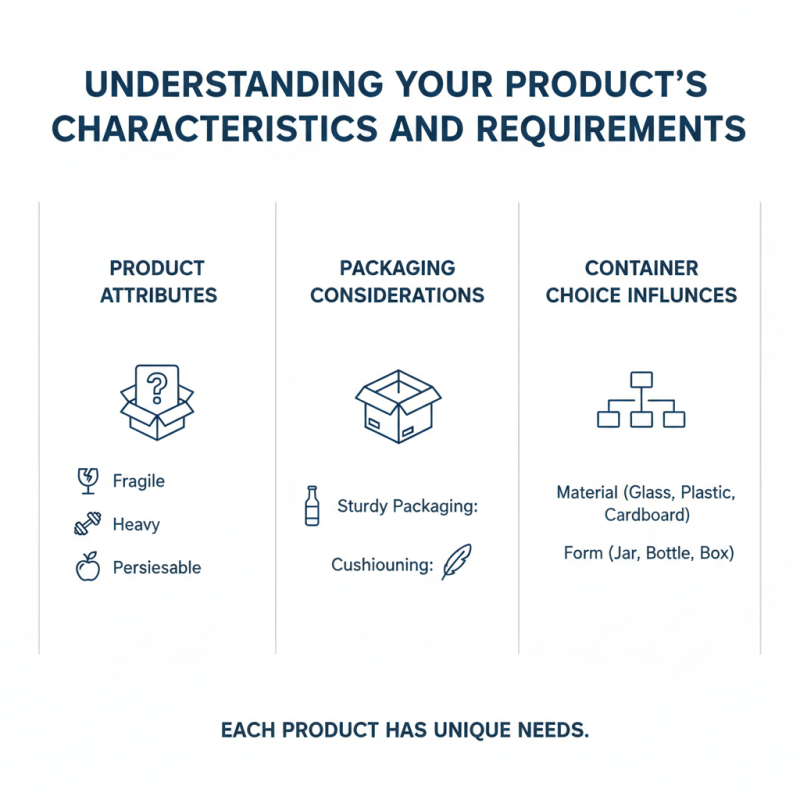
When selecting the best container for your products, understanding their characteristics is vital. Start by assessing the physical attributes of your items. Are they fragile, heavy, or perishable? Glassware requires sturdy packaging, while delicate items may need cushioning. Each product has unique needs that influence container choice.
Next, consider environmental factors. Will your products be exposed to extremes of temperature, humidity, or light? For example, pharmaceuticals often need airtight and light-resistant containers. If not properly packed, these items may spoil or lose effectiveness. This understanding can prevent costly losses and ensure customer satisfaction.
Finally, reflect on how your products will be stored and transported. Will they be stacked, shipped long distances, or handled frequently? Standard boxes may not suffice. An inadequate choice may lead to damage. Taking time to consider these elements improves reliability. Remember, a thoughtful selection process protects your products and your brand reputation.
Evaluating Different Types of Packing Containers Available
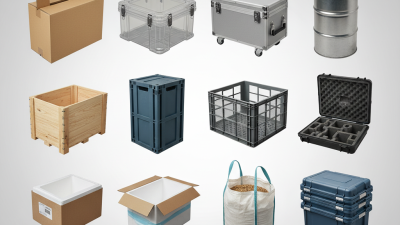
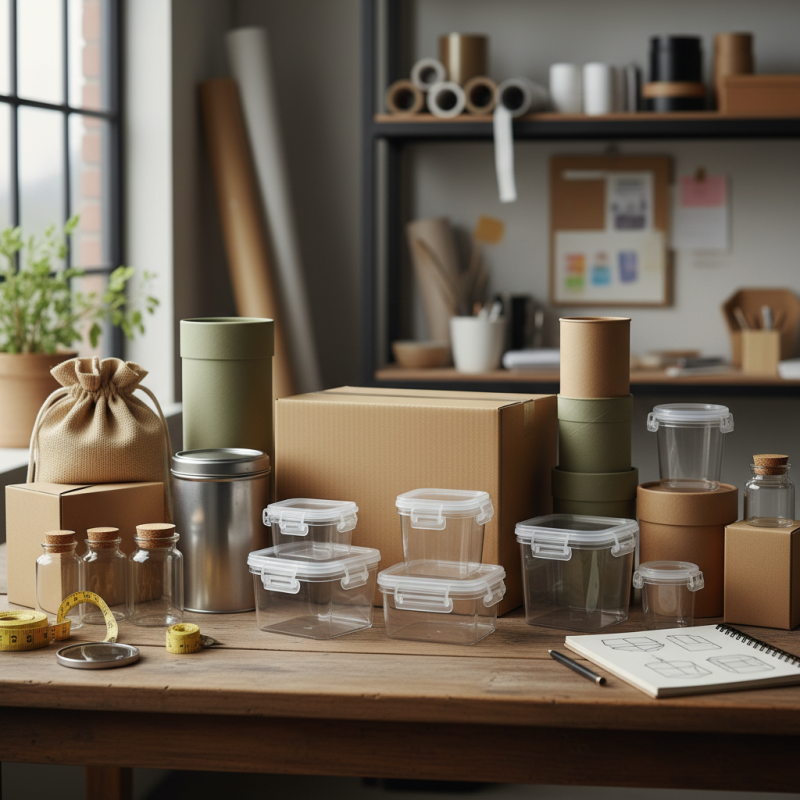
When selecting packing containers, understanding the options is vital. Numerous types of packing containers suit different products. Materials include cardboard, plastic, glass, and metal, each having its distinct advantages and drawbacks.
Cardboard boxes remain popular due to their lightweight and recyclable nature. Reports indicate that about 70% of consumers prefer eco-friendly packaging. However, they lack moisture resistance, which is crucial for perishable goods. Plastic containers offer durability and waterproof properties, making them suitable for a broader range of products. Yet, rising environmental concerns about plastic waste require careful consideration.
Glass containers are excellent for food storage. They are non-reactive and preserve freshness. However, the risk of breakage makes them less desirable for shipping. Metal containers, often used for beverages, provide robust protection but can be heavier, affecting shipping costs. Ultimately, weighing each type’s benefits and limitations is essential. Consideration of your product needs and customer preferences will guide the right choice.
Assessing Cost-Effectiveness of Container Options
When choosing a container for packing products, cost-effectiveness plays a crucial role. It’s essential to evaluate various container options based on material, durability, and shipping requirements.
Cardboard and plastic are common choices.
Cardboard is lightweight and often cheaper, but may lack sturdiness.
On the other hand, plastic containers cost more but provide better protection against damage.
It’s vital to assess long-term implications of cost. A cheaper container may lead to higher expenses due to product damage during transport. Investing in quality can save money over time. For small businesses, balancing upfront costs with potential losses is crucial. Measuring the actual value of containers requires careful thought. Don’t just focus on initial prices.
Researching suppliers can reveal differences in costs and quality. Check for ratings and reviews of container options. Engaging with other businesses can provide insights and foster better decision-making.
Quality packaging is not purely a cost; it’s an investment in your brand. Be prepared to reflect on whether your current choices meet your standards for durability and efficiency.
Considering Environmental Impact and Sustainability of Materials
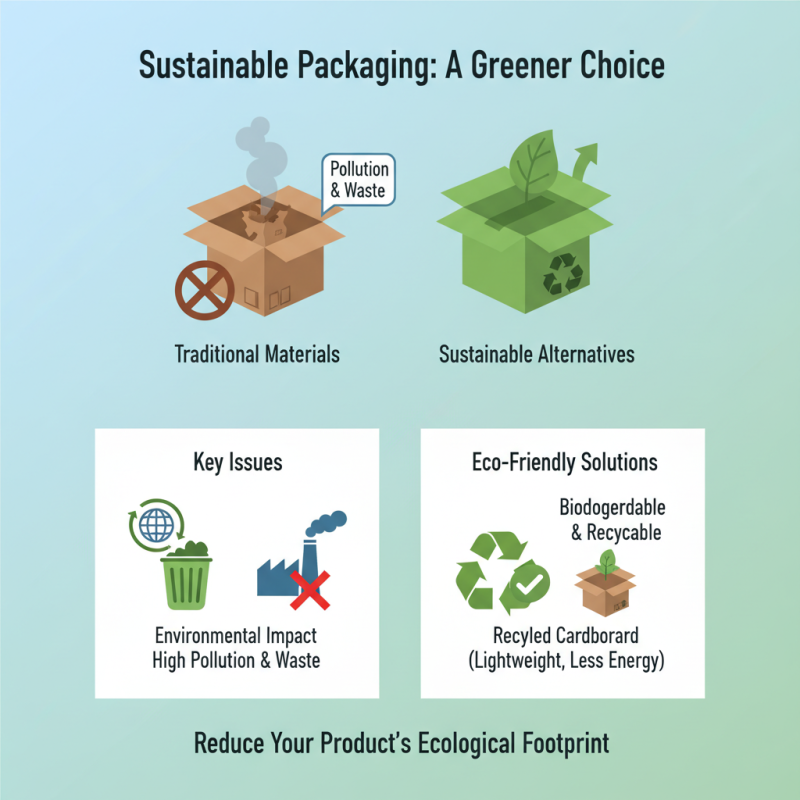
When it comes to packing products, the choice of container significantly impacts the environment. Traditional packaging materials often contribute to pollution and waste. It's essential to explore sustainable alternatives that reduce harm. Biodegradable and recyclable materials can minimize a product's ecological footprint. For example, cardboard boxes made from recycled paper are an excellent eco-friendly option. They are lightweight and reduce energy consumption during transportation.
However, the journey to sustainable packaging is not without challenges. Some biodegradable options can cost more than conventional materials, which might deter businesses. It requires a careful balance between cost, functionality, and sustainability. Also, not all biodegradable options break down efficiently in landfills. This inconsistency raises questions about their effectiveness. Reflecting on the materials we choose prompts a deeper understanding of our environmental responsibilities.
Opting for reusable containers presents another thoughtful choice. These containers can be used multiple times, reducing waste in the long term. Nevertheless, they may need more robust systems for cleaning and reuse, adding complexity. Companies must ensure proper education on these systems to maximize their benefits. The path to sustainable packaging is a continuous learning experience that reflects our commitment to the planet.
Selecting the Right Size and Shape for Efficient Packing
When selecting the right size and shape for packaging products,
it's essential to think carefully about efficiency. The container must not only fit the product snugly
but also prevent movement during transit. A well-fitted box reduces the risk of damage. Consider the weight
and fragility of your items. Choosing a container that's too large can lead to unnecessary shifting,
while a container that's too small may compress the product.
Also, examine the shape of your items. If they are irregular or uniquely shaped,
custom containers may be a better option. These shapes often maximize space. However, custom solutions can be
costly and require time to produce. Think about the volume you need to ship regularly. If quantity fluctuates,
flexible options are preferable. Using different-sized containers can also help optimize shipping costs.
Be cautious not to over-complicate your choices. Sometimes, a simple, standard box can be the best solution.
Reflecting on your experiences is valuable. What worked well? What didn't? Each project provides lessons.
Ultimately, the goal is to find a middle ground. Balancing cost,
efficiency, and protection is key. Your packaging should not only safeguard products but also
reflect your brand’s commitment to quality.