How to Choose the Best Juice Bag for Your Business Needs?
Choosing the right Juice Bag for your business can significantly impact your branding and customer satisfaction. According to industry expert Sarah Lee, “The right packaging can elevate your juice brand to new heights.” A Juice Bag is more than just a container; it is a reflection of your business values and quality.
In the juice industry, the first impression is crucial. A well-designed Juice Bag attracts customers and conveys freshness. Consider the material, size, and design choices that resonate with your target market. The packaging should also align with your sustainability goals. However, finding the perfect balance can be challenging.
Additionally, investing in a quality Juice Bag might seem costly, but it can lead to higher sales. Ensure it is user-friendly and visually appealing. The details matter. Reflect on your current choices. Is your Juice Bag leaving the right impression? Your brand deserves thoughtful packaging that stands out.
Understanding the Different Types of Juice Bags Available in the Market
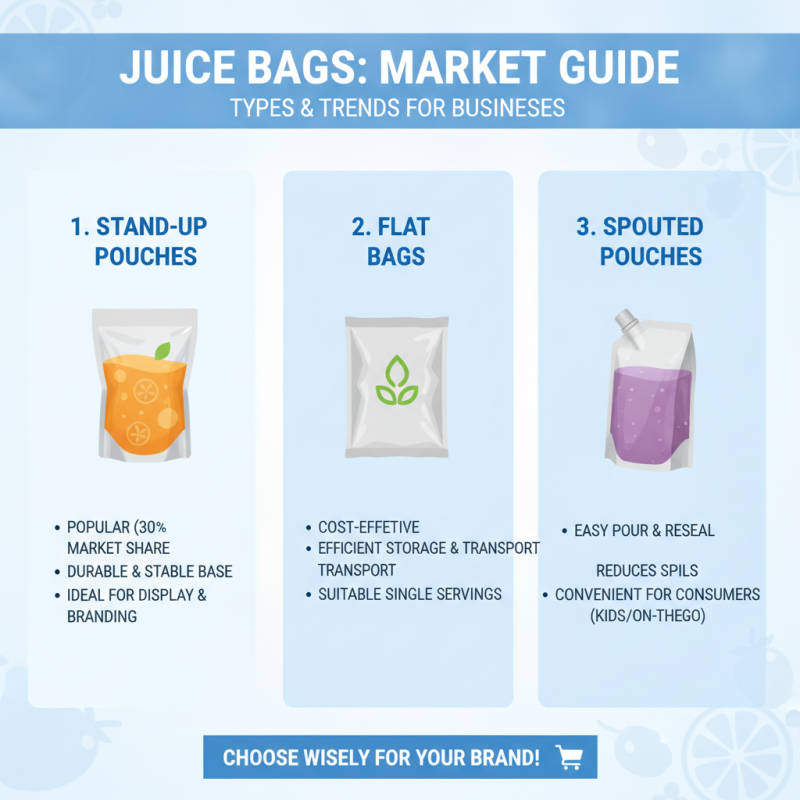
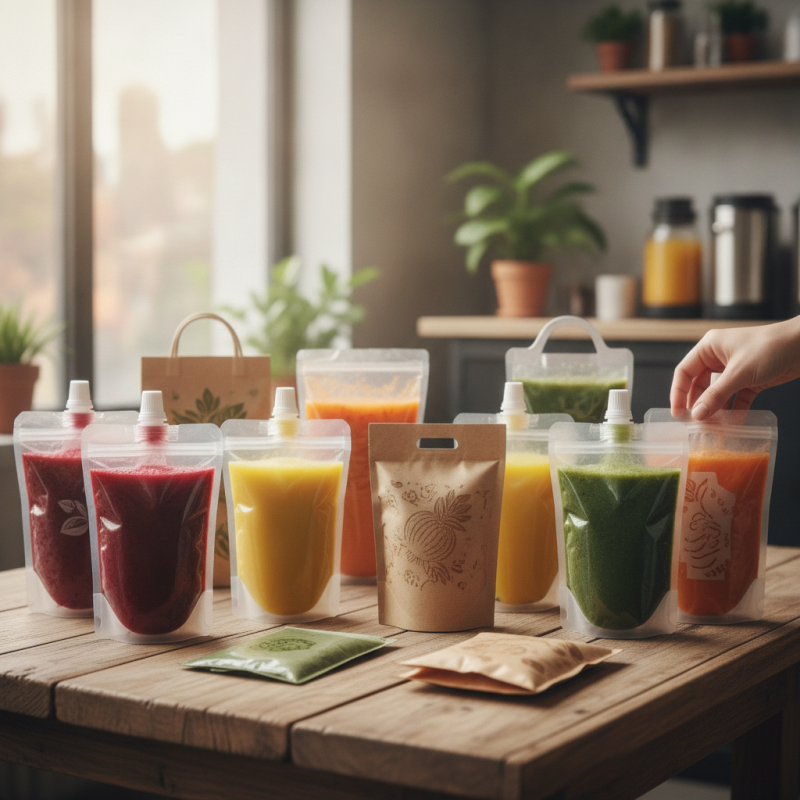
When selecting a juice bag for your business, it's crucial to understand the types available. Many options exist, each designed for different needs. Common types include stand-up pouches, flat bags, and spouted pouches. Stand-up pouches are popular due to their ability to display vibrant designs while providing excellent durability. Reports indicate that stand-up pouches account for over 30% of the total juice packaging market.
Flat bags, while less common, offer cost-effective solutions for businesses that prioritize functionality over aesthetics. These bags are simpler but can lack the shelf appeal that many brands desire. Another choice, spouted pouches, is especially favored in the children's juice market. These pouches often attract families looking for convenience. According to industry surveys, spouted pouches are expected to grow by 25% in the coming years due to their easy-to-use design.
Consideration of material is also important. Many businesses opt for eco-friendly materials to appeal to environmentally conscious consumers. However, not all options are as reliable. Some biodegradable options may not protect against oxidation effectively, leading to shorter shelf lives. It's essential to weigh these attributes against your brand goals. Careful evaluation of each type ensures that your choice aligns with your business strategy.
Assessing Your Business Requirements for Juice Packaging Solutions
When considering juice packaging solutions, it's essential to assess your business requirements thoroughly. Start by identifying your target market. Knowing your audience helps choose the right bag type. For example, eco-friendly options may appeal to health-conscious consumers. Assess the size and volume of juice you plan to sell. Different bag sizes accommodate various juice quantities, from single servings to bulk sales.
Next, think about distribution methods. How will you transport your juice? If you're using a delivery service, bags that are sturdy and leak-proof are crucial. Evaluate shelf life and storage needs too. Packaging affects freshness and safety. Some bags are better suited for longer storage periods, maintaining quality over time.
Don't overlook branding opportunities. Your juice bag is more than just a container. It's an essential marketing tool. Custom designs attract customers and create a memorable brand experience. However, consider cost-effectiveness. High-end designs may strain your budget. Analyzing trade-offs between quality, design, and price can lead to better decisions. Balancing these elements will ultimately shape your juice packaging strategy.
Evaluating Material Quality and Durability for Juice Bags
When selecting juice bags for your business, material quality is paramount. A durable bag can withstand the rigors of transportation and storage. Look for materials that resist punctures and tears. Think about the frequent handling these bags will endure. A high-density polyethylene bag often offers excellent strength. However, lighter materials may also suffice in less demanding conditions.
Durability is not just about strength; it’s also about longevity. Bags that degrade quickly can compromise your juice quality. Evaluating heat resistance is crucial, especially if you're packaging hot products. Ensure the materials can withstand temperature fluctuations without deteriorating. Be aware that eco-friendly options may not always match the durability of conventional bags. Testing several options can reveal unforeseen weaknesses.
It's essential to consider the trade-offs in durability and cost. Sometimes, less durable materials are more cost-effective. This choice might lead to higher replacement rates over time. Additionally, think about storage conditions. Humidity and exposure can affect material performance. Regularly reassess your choices to adapt to changing needs and technological advancements.
Material Quality and Durability Evaluation for Juice Bags
Analyzing Cost-Effectiveness and Bulk Purchase Options
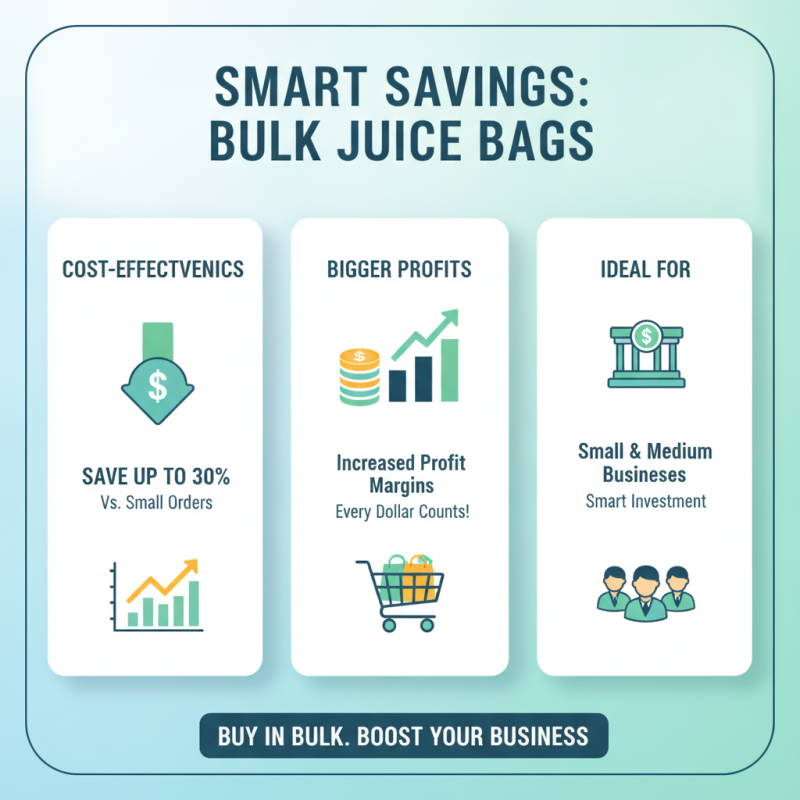
When considering bulk juice bag purchases, cost-effectiveness is crucial. According to a recent industry report, businesses can save up to 30% by opting for bulk orders. This significant savings often outweighs the initial investment. For small to medium-sized enterprises, every dollar counts. Investing wisely in packaging can improve profit margins.
However, it’s not just about cost. Quality is paramount. A cheaper juice bag might compromise freshness and shelf-life. Research indicates that high-quality packaging can increase customer retention by nearly 25%. It's essential to balance expense with quality. Businesses must analyze their specific needs. Determining the right size and material impacts overall efficiency.
Reflecting on options is vital. Some businesses may overlook eco-friendly materials that resonate with consumers. In fact, 70% of customers prefer brands that prioritize sustainability. Choosing the right juice bag goes beyond mere costs. The right choice supports long-term business goals while catering to consumer values. Ultimately, every aspect from cost to material affects a business's reputation and success.
Considering Eco-Friendly Alternatives for Sustainable Packaging Choices
Sustainable packaging is more than just a trend. It reflects growing consumer demand for eco-friendly products. A recent report by Smithers Pira states that the global market for sustainable packaging is set to reach $500 billion by 2027. Companies are increasingly aware of the environmental impacts of their choices.
Juice bags are among the products benefiting from this shift. Traditional plastic bags contribute significantly to landfill waste. In contrast, biodegradable or recyclable juice bags offer a suitable alternative. These options can decompose within months, unlike their plastic counterparts, which may take centuries. Brands that adopt eco-friendly packaging can attract consumers who prioritize sustainability.
However, businesses must carefully consider their choices. Not all eco-friendly options perform equally well in preserving product quality. Some biodegradable materials may not meet the durability needed for liquid packaging. There’s a balance between sustainability and functionality that businesses need to navigate. Companies should conduct thorough testing to ensure that eco-friendly juice bags maintain the integrity of the product while being environmentally responsible.