How to Choose the Best Clear Polythene Bags for Your Business?
Choosing the right packaging is crucial for any business. Clear Polythene Bags are popular for many reasons. They offer visibility while protecting the contents inside. When considering the best options, several factors come into play.
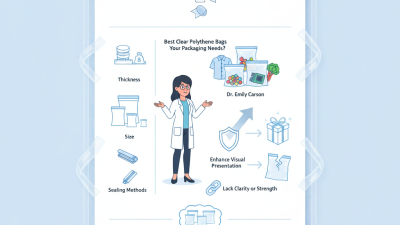
Firstly, the thickness of the bag matters. Thicker bags provide better protection, especially for heavier items. However, they can also be more expensive. Businesses must balance cost with durability. Clear Polythene Bags come in various sizes, so selecting the right dimension is key. A bag that’s too small will not accommodate the product, while an oversized bag may look unprofessional.
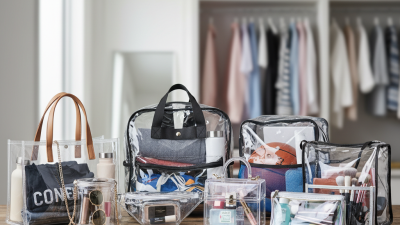
Additionally, the clarity of the material impacts customer perception. High-quality Clear Polythene Bags can enhance product presentation. They can also carry a brand or logo effectively. However, not all bags are made equal. It’s essential to evaluate suppliers and ensure they provide reliable products. Trustworthy sources maintain consistent quality over time. Ultimately, the choice of Clear Polythene Bags reflects the brand’s commitment to quality and customer satisfaction.
Understanding the Types of Clear Polythene Bags Available in the Market
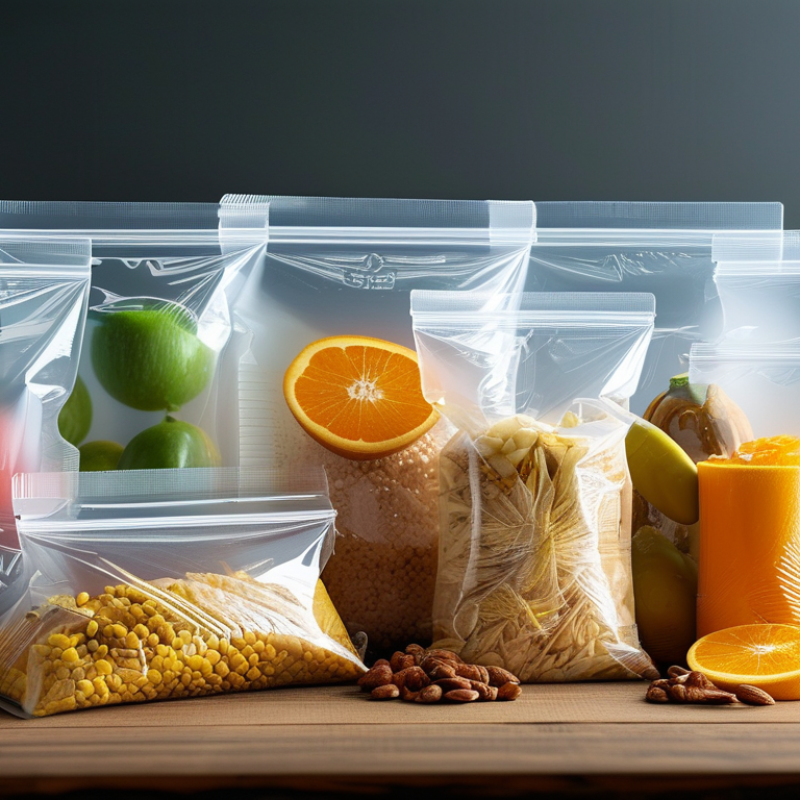
When choosing clear polythene bags for your business, understanding the types available is crucial. Polythene bags vary in thickness, size, and usage. For instance, low-density polythene (LDPE) bags are soft and flexible, ideal for light items. In contrast, high-density polythene (HDPE) bags are more rigid and perfect for heavier products. According to a 2022 industry report, the global demand for polythene bags is projected to reach 3.5 million tons by 2025, indicating a steady increase in usage across various sectors.
Another factor to consider is the thickness of the polythene material. Thinner bags, often around 30 microns, are suitable for retail and packaging. Thicker options, around 50 microns, offer more durability. Businesses often overlook the importance of this detail, leading to potential issues with product safety during transport. Additionally, consider eco-friendly alternatives, as recent studies suggest that consumers increasingly prefer sustainable packaging. Incorporating biodegradable versions can enhance market image, even if the cost might be higher upfront.
Evaluating your specific needs is essential. For example, bags designed for food storage may require higher clarity and strength. This specificity can set your business apart in a crowded marketplace. However, choosing the wrong type could result in customer dissatisfaction and higher return rates. Balancing durability and environmental impact might seem daunting but is necessary for making informed decisions.
Comparison of Different Types of Clear Polythene Bags
Key Factors to Consider When Choosing Clear Polythene Bags for Your Business
When selecting clear polythene bags for your business, several critical factors must be evaluated. First, the thickness of the bags is crucial. The British Plastics Federation states that a thicker bag typically provides better durability and protection. A 50-micron thickness rating is often ideal for retail products, while heavier loads may require bags up to 100 microns.
Another important consideration is the bag's clarity and transparency. High clarity ensures that customers can see the contents easily, enhancing product appeal. According to industry reports, 73% of consumers prefer clear packaging, as it communicates trust and quality. Packaging that showcases products effectively can lead to increased sales.
Additionally, consider the sealing options available. Heat seals often provide stronger closures than other methods. A weak seal can lead to product damage, resulting in financial losses. As reported by the Flexible Packaging Association, 30% of consumers report dissatisfaction when packaging is not secure. Reflecting on these factors can significantly enhance your product presentation and customer satisfaction.
How to Choose the Best Clear Polythene Bags for Your Business?
| Factor |
Description |
Importance Level |
| Material Quality |
Ensure the bags are made from high-grade polythene for strength and durability. |
High |
| Thickness |
Choose the appropriate thickness to handle items securely without tearing. |
Medium |
| Size Options |
Select sizes that fit your products; consider custom sizes if necessary. |
High |
| Transparency |
High clarity allows customers to see the contents, enhancing presentation. |
Medium |
| Seal Type |
Consider ziplock, adhesive, or heat-seal options for convenience and security. |
High |
| Sustainability |
Opt for eco-friendly materials to enhance brand image and meet regulations. |
Medium |
| Cost |
Balance quality with cost to maintain profitability without compromising on performance. |
High |
Evaluating the Strength and Durability of Clear Polythene Bags
When evaluating clear polythene bags for your business, strength and durability play crucial roles. These qualities determine how well the bags will protect contents and withstand various conditions. Polythene bags come in different thicknesses, typically measured in microns. Thicker bags often provide better strength and durability. However, not all thick bags are created equal. Sometimes, a thinner bag may outperform a thicker one due to the quality of materials used.
Tips: Look for bags with reinforced seams. These seams help prevent tearing when carrying heavy or sharp items. Additionally, check for puncture resistance. A durable bag should withstand sharp edges without easily breaking.
Assessment of the bag's strength also involves testing under real conditions. Consider how bags will be used in your business. A bag that works well for lightweight items may not be suitable for heavier goods. It's essential to reflect on your specific needs. Asking manufacturers about their testing processes can be beneficial. You might discover that some bags have undergone rigorous quality checks, ensuring reliability over time.
Assessing Environmental Impact: Recyclability and Sustainability Options
When choosing clear polythene bags for your business, environmental impact is vital. Many bags are recyclable, but not all are created equal. Assessing the type of material is essential. High-density polyethylene (HDPE) is often recyclable, while low-density polyethylene (LDPE) can also be reused, yet it’s less common in recycling programs. Knowing your local recycling rules can help you make better choices.
Sustainability options extend beyond recyclability. Consider purchasing bags made from recycled content. This decision not only supports waste reduction but also lowers the demand for virgin materials. However, the availability of these options can be limited, and sometimes the quality may not meet your expectations. It is beneficial to request samples before making a bulk order.
Reflecting on your choices can lead to meaningful change. If your company primarily uses non-recyclable bags, it might be time to reassess. Evaluate your environmental objectives. Can you implement a more sustainable approach without compromising product quality? Each small change can lead to a significant impact on the environment.
Cost-Effectiveness: Balancing Quality and Budget for Your Packaging Needs
Choosing clear polythene bags for your business can feel overwhelming. The balance between quality and cost is crucial. High-quality bags often last longer, providing better protection for your products. However, they come with a higher price tag. This can challenge small businesses with tight budgets.
Consider the specifics of your products when selecting bags. Thick polyethylene can ensure durability, especially if items are fragile. Yet, thicker bags are more expensive. This creates a dilemma between quality and affordability. It's essential to analyze your product needs carefully. Sometimes, a medium-thickness bag may suit your requirements just as well.
You might be tempted to lower quality to save costs. However, this choice can backfire. Poor bags can lead to product damage. This results in waste and loss of customer trust. Review your packaging strategy regularly to ensure you maintain the right balance. Check which materials work best in your sector. Reflect on past decisions regarding budget and quality. Ultimately, the goal is to create a lasting impression while being financially prudent.