10 Essential Tips for Successful Polythene Bag Manufacturing
In the fast-evolving world of Polythene Bag Manufacturing, staying ahead demands more than just operational efficiency. It requires a comprehensive understanding of market dynamics, consumer preferences, and sustainable practices. This sector, while lucrative, faces challenges. Companies often overlook material quality, which can lead to inferior products that do not meet industry standards.
Moreover, environmental concerns are growing. Consumers are aware of the impact of plastic waste. Firms must innovate to tackle these issues. Sustainable materials and eco-friendly production processes must be integrated into their strategies. This shift is not only crucial for compliance but also for brand loyalty.
Success in Polythene Bag Manufacturing hinges on these critical aspects. By adopting best practices, companies can enhance their competitiveness and ensure longevity in the market. Understanding these nuances can guide manufacturers towards more impactful and responsible operations.
Understanding the Basics of Polythene Bag Manufacturing
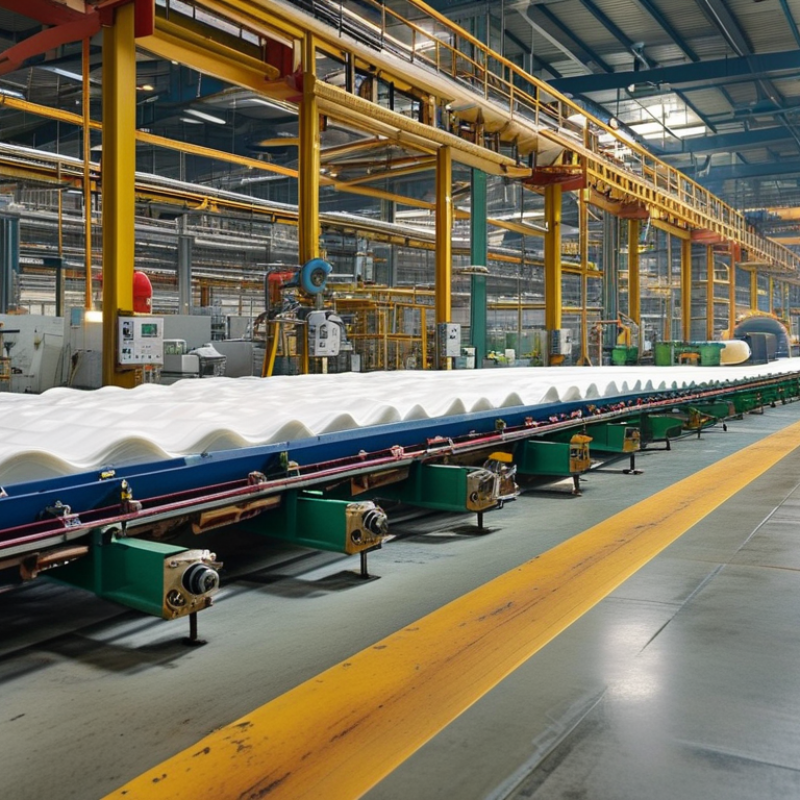
Polythene bag manufacturing is a crucial segment of the packaging industry. Understanding the basics is vital for those looking to enter this field. First, it's important to know the materials used in making polythene bags. Low-density polyethylene (LDPE) and high-density polyethylene (HDPE) are the primary resins. They offer different properties and uses. According to a 2023 industry report by the Plastics Industry Association, the demand for polythene packaging is projected to grow by 4.5% annually through 2025.
The manufacturing process involves several steps. Extrusion, blowing, and cutting are key operations. During extrusion, raw materials are heated and shaped into tubes. This process must be monitored closely to ensure consistency. Variations in temperature can affect the thickness and quality of the bags. Many manufacturers face challenges in maintaining this consistency. These issues can lead to increased waste and higher production costs. The industry faces scrutiny over environmental impacts too. A report from the Environmental Protection Agency highlights the need for better waste management practices. Manufacturers must consider eco-friendly alternatives to stay competitive.
Quality control is another critical element. Regular testing for strength and durability ensures that bags meet industry standards. Over 20% of manufacturers report struggling with quality consistency. Implementing rigorous testing protocols can help mitigate this. In this evolving landscape, embracing innovation in materials and practices is essential for success in polythene bag manufacturing.
10 Essential Tips for Successful Polythene Bag Manufacturing
| Tip Number |
Tip Description |
Expected Outcome |
| 1 |
Understand the different types of polythene |
Improved product quality and selection |
| 2 |
Choose the right machinery |
Increased efficiency and production speed |
| 3 |
Develop effective quality control measures |
Reduction in defects and customer complaints |
| 4 |
Invest in skilled labor |
Better production quality and innovation |
| 5 |
Optimize production processes |
Cost savings and increased output |
| 6 |
Incorporate recycling practices |
Environmental sustainability |
| 7 |
Understand market demands and trends |
Better product alignment with customer needs |
| 8 |
Establish strong supplier relationships |
Reliable raw material supply |
| 9 |
Focus on branding and marketing strategies |
Increased market presence and demand |
| 10 |
Continuously innovate and adapt |
Sustained competitive advantage |
Identifying and Sourcing Quality Raw Materials for Production
When it comes to manufacturing polythene bags, sourcing quality raw materials is crucial. The foundation of a strong product starts with selecting the right polyethylene resin. This resin affects the bag's strength, flexibility, and durability. It’s essential to understand the specifications. Not all resins are created equal, and the differences impact the final product significantly. Look for suppliers with a proven track record. Check their certifications. A reliable supplier often ensures consistent quality.
Another factor to consider is the processing additives. These can enhance performance and offer features like UV resistance or biodegradability. Evaluate potential suppliers carefully. Conducting small batch trials can reveal hidden issues in material quality. Always inquire about the supply chain. Disruptions can lead to inconsistent raw materials. Collaborating closely with your supplier can lead to improvements. Building relationships can yield better prices and stable supplies.
Managing quality control is necessary. Even with careful sourcing, suppliers might sometimes fall short. Implement regular checks during production. Collecting feedback from the production team can highlight unexpected challenges. Refining your sourcing strategy based on these insights can improve overall quality. Remember, it's about creating a product that meets customer expectations. Balancing cost with quality is often a tough challenge in manufacturing.
Essential Equipment and Machinery for Efficient Manufacturing Process
Efficient polythene bag manufacturing relies heavily on the right equipment and machinery. Investing in high-quality extrusion machines is crucial. These machines convert raw materials into film with precision. Maintaining these machines can be a challenge. Regular checks on temperature and pressure settings can improve output and quality.
Another essential item is a bag-making machine. This equipment enhances the production rate significantly. However, operators must be trained adequately. Misalignment can lead to waste. Keeping the workspace organized also prevents accidents and ensures smooth operations.
Implementing effective maintenance schedules is vital. This can help reduce downtime and repair costs. It is easy to overlook this step when production is high. Remember, a well-maintained machine performs better. Each component of your manufacturing process requires careful attention for optimal performance.
Implementing Quality Control Measures in Production Line
Implementing quality control measures in the production line of polythene bags is crucial for ensuring consistency and reliability. One key strategy involves regular inspections throughout the manufacturing process. By monitoring raw materials and final products, potential defects can be identified early. A focus on employee training enhances awareness of quality standards. Workers should understand the significance of their role in maintaining product integrity.
Another effective approach is to use advanced technology for quality assessment. Automated systems can detect errors more efficiently than manual processes. This reduces human mistakes and speeds up production. However, it is essential to continually review and update these systems to remain effective. Sometimes, an over-reliance on technology may overlook critical human insights.
Feedback loops from customers can provide valuable information on product performance. Establishing communication channels helps gather this data. Regularly analyzing customer feedback allows manufacturers to adjust their processes. Yet, it requires patience and ongoing commitment. Occasionally, the path to maintaining high standards may present challenges that need addressing. Continuous improvement should remain a key focus.
Quality Control Measures in Polythene Bag Manufacturing
Sustainable Practices in Polythene Bag Manufacturing Industry
The polythene bag manufacturing industry faces significant scrutiny regarding its environmental impact. Sustainable practices have gained traction. The industry’s global market size was valued at $4.5 billion in 2020, and it is projected to grow steadily. However, sustainable methods must be implemented to reduce carbon footprints and waste.
Implementing eco-friendly materials can be a game changer. Biodegradable alternatives, for instance, are gaining attention. A recent study indicates that the use of biodegradable polymers can reduce landfill waste by up to 40%. Yet, education on these materials remains limited among manufacturers. Many still rely on traditional methods that contribute to pollution.
Energy efficiency is another crucial area for improvement. Reports suggest that improved production techniques can lower energy consumption by 25%. However, many factories underutilize technologies to optimize production. Embracing renewable energy sources is essential. The future of the industry depends on a shift toward greener practices and increased awareness of sustainable measures.