2026 How to Choose the Best Clear Polythene Bags for Your Needs?
Choosing the right Clear Polythene Bags is crucial for various applications, from packaging to storage. According to the latest industry report by Market Research Future, the demand for clear polythene bags is expected to grow by 5% annually. This growth highlights the increasing need for reliable and environmentally friendly packaging solutions.
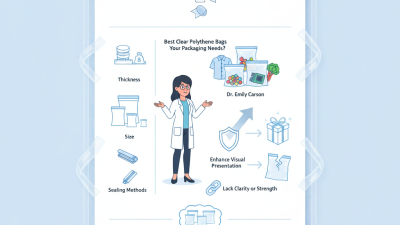
Expert James Anderson, a renowned packaging consultant, emphasizes, "Selecting the appropriate polythene bag can significantly impact both efficiency and product safety." With numerous options available, it can be overwhelming to determine which bags best fit your specific requirements. Factors like thickness, size, and closure type should be carefully considered for optimal performance.
Moreover, it's essential to reflect on the environmental implications of your choices. Many clear polythene bags are now manufactured with recycled materials, which can improve sustainability. However, not all suppliers prioritize eco-friendly practices. Ensure that your chosen bags meet industry standards while also addressing your unique needs. Making informed choices can lead to better outcomes in both usability and sustainability.
Understanding Clear Polythene Bags: Types and Uses
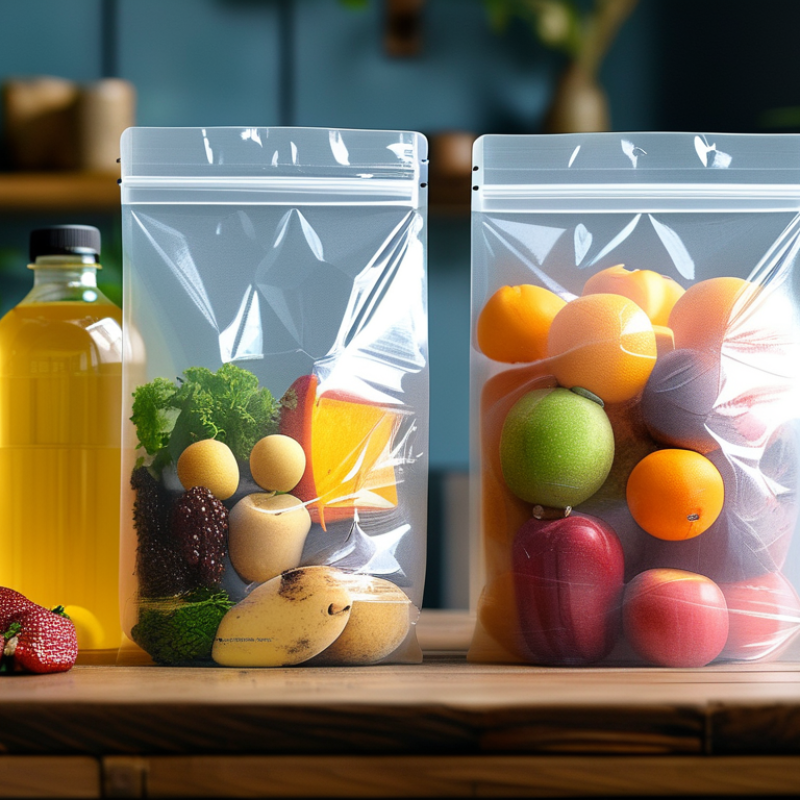
When choosing clear polythene bags, understanding their types and uses is vital. These bags come in various thicknesses, sizes, and formats. Common types include flat bags, gusseted bags, and zip-lock bags. Each type serves different needs. For example, flat bags are ideal for documents, while gusseted bags can hold bulkier items. Zip-lock options are perfect for storing food or keeping items secure.
Consider your specific needs before selecting a bag. If you need durability, opt for thicker polythene. Thinner bags might suffice for lightweight products. It's also essential to think about storage. How much space do you have? Some bags fold easily, saving room in storage areas. Reflect on your packaging requirements for efficient use.
Mistakes can happen when choosing polythene bags. Not considering the bag's closure can lead to issues. Open bags can lead to spillage or loss of items. It's worth trying different options to find what works best. Being mindful of these factors will help ensure you choose the right polythene bag for your needs.
Identifying Your Specific Needs for Clear Polythene Bags
Identifying your specific needs for clear polythene bags is crucial for effective usage. Start by considering the size and capacity required. Reports indicate that over 45% of consumers prefer bags that can hold up to 10 kilograms. This data highlights the importance of choosing the right dimensions to accommodate various items safely.
Next, think about the thickness of the polythene. Thicker bags tend to offer more durability. A study from a leading packaging company showed that bags with a thickness of 50 microns or more have a significantly lower failure rate in retail settings. However, selecting too thick a bag may lead to unnecessary costs, so balance durability with affordability.
Lastly, don’t overlook the transparency aspect. Clarity in packaging is often a key factor in sales. As per market research findings, about 60% of shoppers believe that visibility of the product through the packaging influences their purchasing decisions. Reflect on how visibility affects your objectives while ensuring you are not compromising on functionality. Each aspect prompts a deeper analysis of your choices, revealing your exact requirements in specific scenarios.
Key Features to Consider When Choosing Polythene Bags
When selecting the right clear polythene bags, several key features stand out. The thickness of the material is crucial. Thicker bags offer better durability, making them ideal for heavier items. A gauge of 50 microns is a good benchmark for sturdy bags. Consider the size as well. The dimensions should cater to your specific needs, whether for retail, storage, or packaging.
Another important aspect is clarity. High-quality transparent bags provide excellent visibility for the contents. This feature is especially beneficial for retail settings, where presentation matters. Additionally, sealing options vary. Some bags come with self-adhesive strips, while others require heat sealing. Choose what aligns with your operational process.
Reflecting on the environmental impact is essential, too. Many polythene bags are recyclable, yet the recycling processes can vary. It's not just about choosing a bag; it’s about making responsible choices. Ensuring your bags are sourced from reputable suppliers can enhance reliability. Each decision contributes to a more sustainable future. These variables might seem overwhelming, but evaluating them carefully leads to smarter purchasing.
Evaluating the Quality and Durability of Polythene Materials
When selecting clear polythene bags, evaluating the material's quality and durability is essential. High-quality polythene should have a smooth texture, clear transparency, and resistance to tearing. Look for bags that maintain their shape even under pressure. Thin bags may save money but often lack strength. This can lead to spills or damages, ultimately frustrating your needs.
Tips: Always test bags for flexibility. A durable bag should bend without breaking. Consider your storage environment. If exposed to sunlight, UV resistance is a significant factor. Clear polythene can also degrade over time when subjected to harsh conditions.
In terms of durability, thicker polythene generally outperforms thinner options. However, overindulging in thickness can cause excessive rigidity. It's a balance between flexibility and toughness. Be mindful of how much weight the bags will carry. Sometimes, a bag that seems perfect in design fails under the weight it carries. Consider your specific usage regularly to avoid such issues.
Sustainability and Environmental Impact of Polythene Bags
Polythene bags have become ubiquitous in daily life, but their environmental impact is significant. According to the European Commission, over 100 billion plastic bags are used in Europe alone each year. This staggering number underscores the urgency of addressing sustainability in plastic production and consumption.
The production of polythene bags is resource-intensive. Reports indicate that manufacturing 1 kilogram of polyethylene requires about 2 kilograms of crude oil. The combustion of fossil fuels releases greenhouse gases, contributing to climate change. In addition, polythene bags can take over 500 years to decompose in landfills, causing long-term environmental harm. Recycling rates remain low, with many bags discarded after a single use.
While alternatives exist, such as biodegradable materials, these options often come with their own challenges. Some biodegradable bags may not decompose effectively in typical landfill conditions. Therefore, while choosing polythene bags, consumers should consider their ecological footprint. Opting for reusable bags can significantly reduce environmental damage, fostering a culture of sustainability. Making informed choices is pivotal as the world grapples with the fallout of plastic pollution.