Top Tips for Choosing the Best Nylon Packaging Solutions?
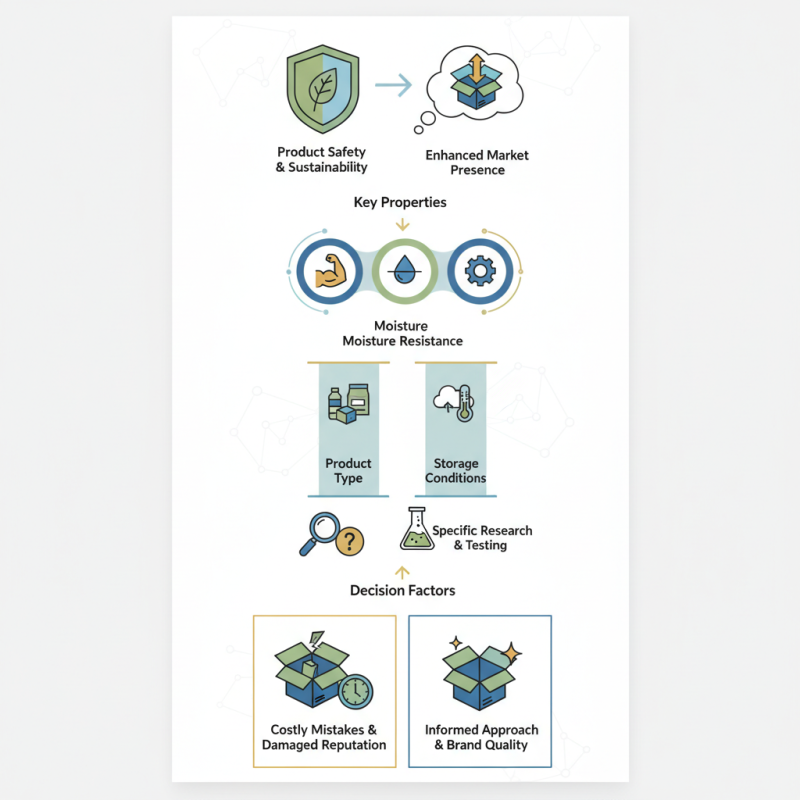
Choosing the right Nylon Packaging solutions can significantly impact product safety and sustainability. According to Mark Thompson, an industry expert at PackTech Solutions, "The right packaging can protect a product and enhance its market presence." With various options available, businesses face the challenge of making informed decisions.
Nylon Packaging offers flexibility, strength, and moisture resistance. However, selecting the best solution requires careful consideration of several factors, including the type of products being packaged and the intended storage conditions. Not every nylon solution fits every product. It demands specific research and testing to ensure optimal performance.
Rushing through the selection process can lead to costly mistakes. Packaging failures can damage products and harm brand reputation. An informed approach will not only safeguard your products but also reflect your brand's commitment to quality. It's essential to weigh all options before making a decision.
Understanding Nylon Packaging and Its Benefits
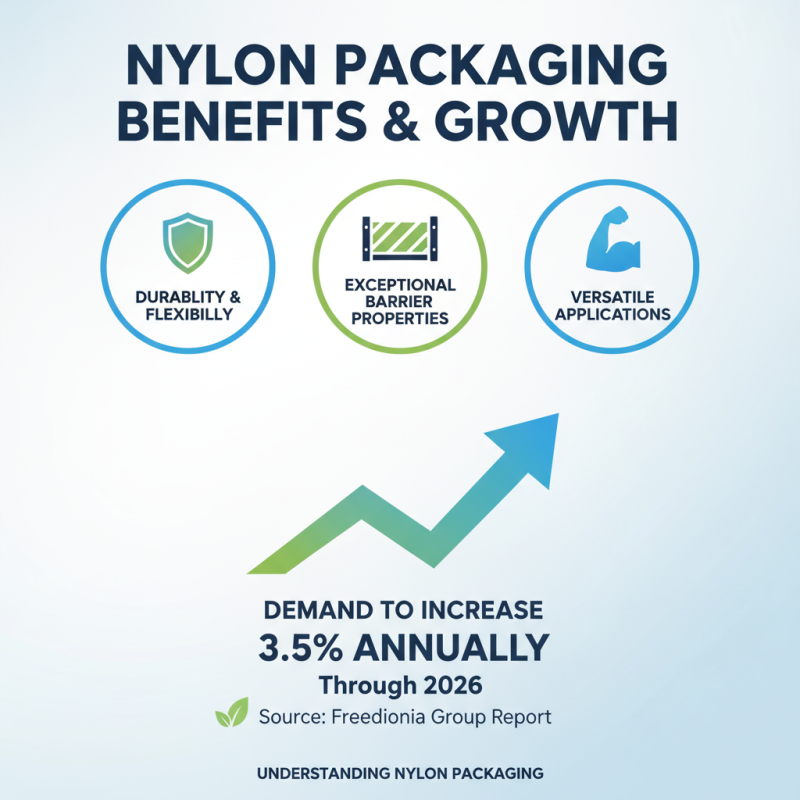
Nylon packaging offers unique benefits for various applications. This material is known for its durability and flexibility. According to a report from Freedonia Group, the demand for flexible packaging, including nylon, is projected to increase by 3.5% annually through 2026. This growth signifies the rising dependence on nylon's exceptional barrier properties.
Nylon is resistant to moisture, chemicals, and abrasion. This makes it ideal for packaging food products and pharmaceuticals. The Food and Drug Administration (FDA) has approved certain types of nylon for direct food contact, enhancing its appeal in food storage. For manufacturers, this means reliable materials supporting product integrity.
Tip: Evaluate the specific requirements of your product when choosing nylon packaging. Are you considering size, weight, or product sensitivity?
Another key aspect of nylon is sustainability. Many companies are exploring recyclability and reduced environmental impacts. Some nylon packaging now incorporates recycled materials. This shift aligns with consumer preference for eco-friendly products.
Tip: Investigate suppliers who prioritize sustainability without compromising quality. This can significantly affect your brand's reputation.
Incorporating nylon packaging into your supply chain can lead to significant operational advantages. However, careful consideration is essential to maximize benefits and minimize downsides. Balancing performance with cost and sustainability can be challenging but rewarding.
Key Factors to Consider When Selecting Nylon Packaging Solutions
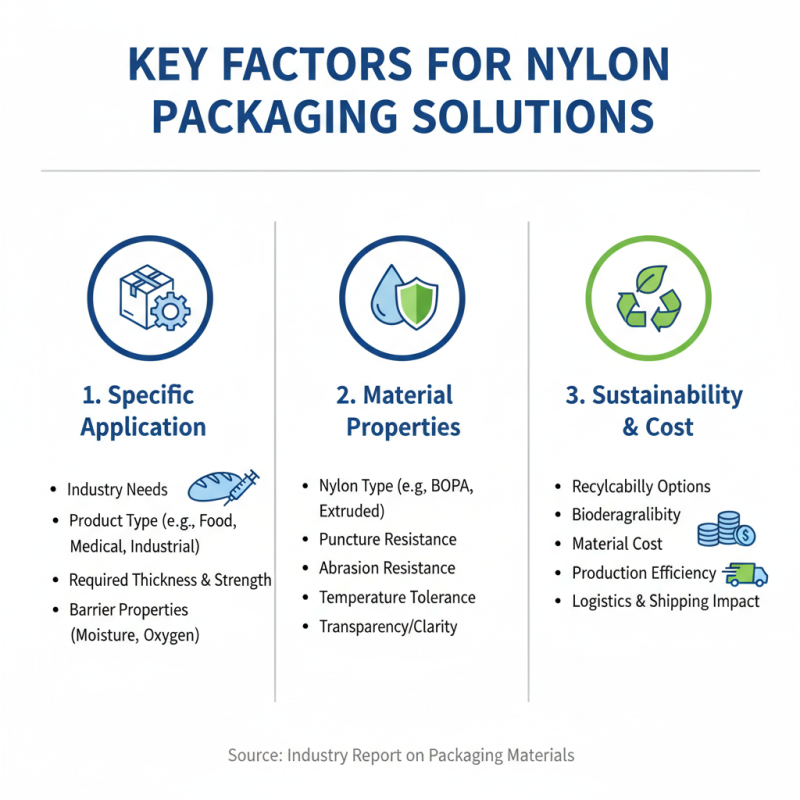
When selecting nylon packaging solutions, several key factors come into play. First, you must consider the specific application. Different industries may require varied thicknesses, strengths, and barrier properties. Understanding the product’s needs helps narrow down choices. For instance, food packaging often necessitates a higher resistance to moisture and punctures.
Another important area is environmental impact. While nylon is durable, its recyclability can be a concern. Investigating alternatives or hybrid solutions can be wise. Manufacturers should communicate their sustainability efforts transparently. This reveals their commitment to responsible practices.
Finally, evaluate supplier reliability. Not all providers offer the same level of service and quality. Researching their background and customer feedback is essential. A previous partnership with a well-regarded supplier is often a positive indicator. However, one should not overlook emerging companies that show promise and innovation. Choosing the right solution requires careful thought and consideration.
Comparing Different Types of Nylon Packaging Materials
When considering nylon packaging materials, it’s essential to evaluate several options available today. Nylon films, for example, are known for their exceptional barrier properties. This makes them suitable for food and medical applications. According to a report by Smithers Pira, the global demand for nylon packaging is expected to reach 1.9 million tons by 2025, driven largely by the food sector.
In contrast, nylon bags provide flexibility and strength, making them ideal for various packaging needs. A study from the Flexible Packaging Association highlighted that flexible packaging, including nylon, accounts for approximately 19% of market share within the packaging industry. However, challenges persist. Not all nylon types are biodegradable, raising environmental concerns that cannot be ignored. Consideration of sustainability is becoming increasingly important among consumers.
While nylon offers durability and excellent protective qualities, it is vital to choose the right type based on application. Each option has trade-offs. Some may lack reusability, which affects long-term sustainability goals. As innovations continue, addressing these limitations can enhance the effectiveness of nylon packaging solutions across industries.
Comparison of Different Nylon Packaging Materials
Evaluating the Cost-Effectiveness of Nylon Packaging Options
When evaluating the cost-effectiveness of nylon packaging options, there are several factors to consider. Nylon is known for its durability and strength, making it ideal for various products. However, the initial cost can often be higher compared to other materials. If you're operating on a tight budget, it's essential to conduct a thorough cost analysis. This includes not just the material cost, but also potential savings in transportation and storage due to nylon's lightweight nature.
It's also crucial to assess the longevity of nylon packaging. While it may cost more upfront, its excellent barrier properties can extend the shelf life of products. This can reduce waste and enhance overall value. Consider the specific needs of your product—will it need enhanced protection, or is a basic option sufficient? The trade-offs between quality and cost can influence long-term profitability.
There are nuances to experimenting with nylon packaging solutions as well. Some businesses may discover that the perceived savings aren't always as effective. Cheap alternatives can lead to higher damage rates or product returns, negating any initial savings. Reflect on your packaging strategy regularly. Adjusting to your business's evolving needs may yield better options down the line.
Sustainability Practices in Nylon Packaging Selection
When selecting nylon packaging, sustainability should be a top priority. Many companies overlook the environmental impact of their packaging choices. Choosing recycled nylon or bio-based options can greatly reduce carbon footprints. These materials are durable and often require less energy to produce compared to traditional nylon.
Producers should also assess their supply chains. Are the materials sourced sustainably? Transparency in sourcing is crucial. It allows companies to communicate their commitment to sustainability effectively. Additionally, consider the end-of-life options for packaging. Can it be recycled or repurposed after use? A recycling-friendly design can minimize landfill contributions.
There's a constant push for innovation in sustainable nylon packaging. However, not all solutions are perfect. Some might not offer the same performance as conventional options. Balancing durability with eco-friendliness remains a challenge. Identifying these trade-offs is essential for making informed decisions. Staying updated with industry trends can help create better packaging solutions while addressing environmental concerns.
Top Tips for Choosing the Best Nylon Packaging Solutions - Sustainability Practices in Nylon Packaging Selection
| Criteria |
Description |
Sustainability Rating (1-5) |
| Material Type |
Choose recycled or bio-based nylon to minimize environmental impact. |
4 |
| Manufacturing Process |
Opt for processes that reduce waste and energy consumption. |
5 |
| Durability |
Evaluate the strength and longevity to reduce the need for frequent replacements. |
4 |
| Recyclability |
Check if the nylon can be easily recycled after use. |
5 |
| Cost-effectiveness |
Analyze total cost over the product life cycle rather than just initial price. |
3 |
| Consumer Perception |
Consider how consumers view sustainability efforts in packaging materials. |
4 |