How to Choose the Best Clear Bags for Your Needs?
When selecting the ideal clear bags for your needs, it is essential to understand various factors. Industry expert Jessica Taylor, a consultant for ClearBags Inc., states, "The right bag can make all the difference in both functionality and style." Her insight highlights the significance of choosing wisely.
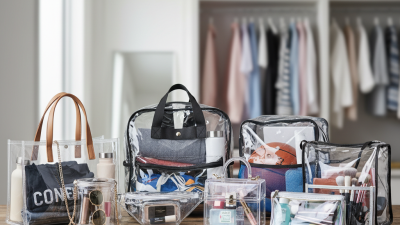
Clear bags serve multiple purposes, from concert attendance to daily use. They come in various sizes and materials, which can complicate your decision-making. Consider what you will store inside. Durability matters. In her experience, Taylor advises, "Always look for high-quality materials that withstand everyday wear and tear." This recommendation emphasizes the need for strength in the bags you choose.
Many shoppers overlook the importance of bag transparency. Regulations at events may require specific visibility levels. Sometimes, a clear bag's appearance might affect your style choices. That said, make sure that practicality does not overshadow your personal taste. By weighing these factors, you'll find the best clear bags that fit both your needs and lifestyle.
Understanding the Importance of Clear Bags in Various Industries
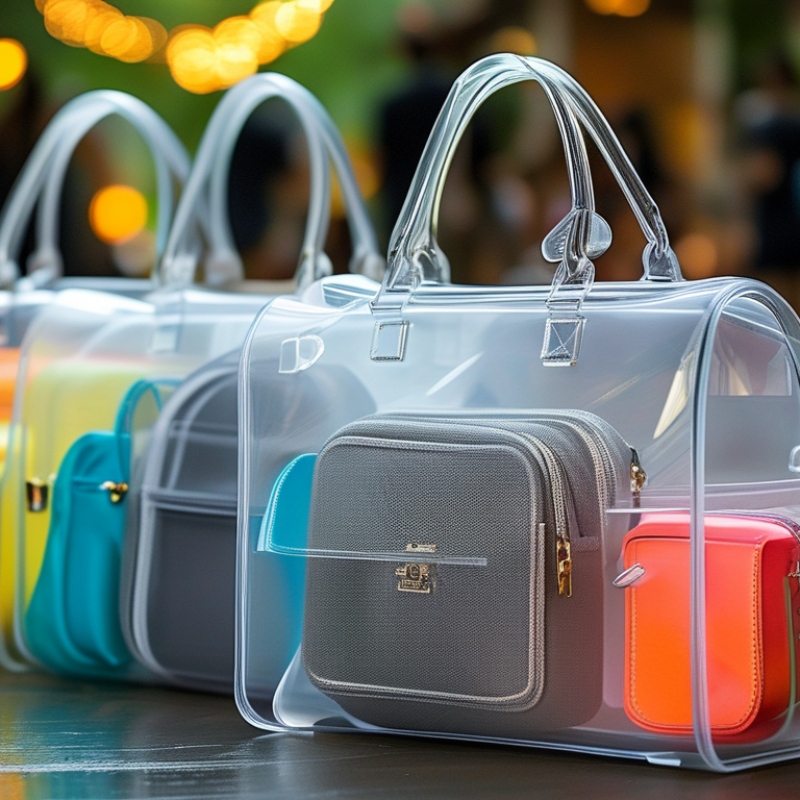
Clear bags play a vital role across various industries, with their importance often underestimated. In healthcare, they enable easy identification of medical supplies, enhancing efficiency. According to the Health Industry Distributors Association, clear bags can improve workflow by up to 30%. This simplicity helps staff quickly locate essential items, which is crucial in emergencies.
In the event and entertainment sectors, clear bags are often mandatory for security reasons. A study by the National Association of State Fire Marshals shows that events with bag checks have 20% fewer incidents. These policies enhance safety and help organizers manage crowds effectively. Clear bags, while effective, can lead to challenges with privacy. Attendees may feel exposed when their belongings are visible, prompting a need for options that balance security and comfort.
Retail industries also benefit from clear bags, particularly in the realm of sustainability. Many companies report a growing demand for eco-friendly materials. A survey by the Sustainable Packaging Coalition noted that 75% of consumers prefer brands using environmentally conscious packaging. However, manufacturers must navigate the fine line between visibility and environmental impact, pushing for better, smarter materials.
Identifying Your Specific Needs for Clear Bags: Size and Purpose
When considering clear bags, understanding your specific needs is crucial. The size of the bag plays a significant role in its functionality. A compact clear bag works well for minimal essentials, while larger ones suit those needing more storage. Think about what you'll carry daily. Will you need space for documents, or just your phone and wallet? Reflect on this.
The purpose of the bag also matters greatly. Are you heading to an event with strict security policies, or just looking for a stylish accessory? Different occasions call for different styles and sizes. A clear tote may be perfect for concerts, but a small pouch might fit better at a business meeting. Your environment can dictate these needs. It’s essential to align your choice with your activities.
Lastly, consider how the bag’s features impact usability. Zippers, handles, and even the quality of materials can differ greatly. While some bags may look appealing, they might lack durability or functionality. Think about what might not work as well as expected. Identifying your exact requirements will lead to a more satisfying purchase.
Material Options for Clear Bags: PVC vs. Polypropylene Explained
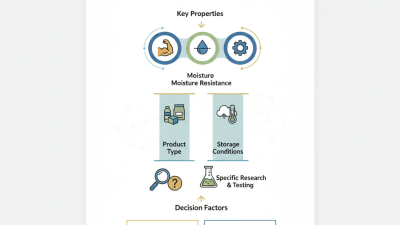
When choosing a clear bag, the material is crucial.
PVC and polypropylene are common options,
each with its own advantages.
PVC is widely used due to its durability and flexibility. Industry reports suggest that
PVC bags can withstand tougher conditions, making them suitable for outdoor events.
Their transparent nature allows easy visibility of contents, which is often a requirement for security purposes.
Polypropylene is another popular choice. It is lighter than
PVC and has a higher resistance to tearing. This makes
polypropylene bags ideal for everyday use. According to recent studies, polypropylene bags can retain their shape and clarity for a longer time, even under stress.
Many consumers prefer polypropylene due to its lightweight design.
Both materials have environmental impacts. PVC takes longer to decompose in landfills
compared to polypropylene. This is a consideration for eco-conscious buyers.
However, recycling options vary for both types. Understanding the properties of each material helps consumers make informed decisions
about their clear bag purchase. Choose wisely based on your specific needs and priorities.
Regulatory Guidelines: What to Know About Stadium and Event Policies
When attending events, understanding regulatory guidelines is crucial. Many stadiums and venues have specific policies regarding clear bags. The policy aims to enhance security while ensuring a smooth entry experience for attendees. According to a 2022 survey by the Venue and Event Safety Association, around 85% of venues now enforce some form of bag policy.
These policies often dictate the size and material of bags allowed. Transparent bags measuring 12" x 12" x 6" or smaller are commonly accepted. This size limits what attendees can bring while providing better visibility for security personnel. However, not all events follow the same guidelines. Certain festivals or concerts might have stricter or more lenient rules. Researching the specific venue's policy before arrival can save time and reduce frustration.
In 2021, the National Association of Sports Commissions reported that less than 10% of attendees fully understand the regulations prior to attending. This gap in knowledge indicates a need for clearer communication from event organizers. Familiarizing yourself with these guidelines ensures you can focus on enjoying the event rather than worrying about your bag. Remember, policies may change, so regular checks on official sites before events are advisable.
Cost-Effectiveness: Budgeting for Quality Clear Bags Without Compromising
Choosing the right clear bags involves understanding their
cost-effectiveness. It’s possible to budget wisely
and still find quality options. High-quality bags can seem expensive. However, durability often means they'll last
longer. This leads to fewer replacements. Investing in a better bag may save money long-term.
When evaluating clear bags, consider materials and construction. Look for thick polyethylene or
PVC. Reinforced seams add strength. Sometimes, bags with zippers are sturdier. They provide
better security for your items. Weigh the initial cost against the longevity and function of the bag.
A lower-priced bag may not hold up, leading to extra expenses.
It's essential to balance your budget with these needs.
Take the time to research options that fit your style and requirements. Sometimes, this involves a
trial-and-error approach. Not every bag will meet expectations. Reflect
on previous purchases and adjust your criteria. Quality matters even if it feels challenging to find
the right fit.